




Where to Get a Used Car Loan?
Introduction
Buying a used vehicle can be a smart financial decision. A pre-owned car often costs less than a new one while still providing reliable transportation. However, many buyers need financing to complete their purchase. This leads to one of the most common questions among car shoppers: Where to Get a Used Car Loan?
Understanding where to find financing can save you money and help you secure better loan terms. Different lenders offer different interest rates, repayment periods, and approval requirements. Therefore, comparing your options before signing any agreement is essential.
Why Financing a Used Car Makes Sense
A used car loan allows you to spread the purchase cost over several years instead of paying a large amount upfront. This approach helps preserve your savings and provides flexibility in managing your monthly budget. Additionally, financing can make higher-quality vehicles more accessible. Instead of settling for an older model, you may be able to afford a newer used vehicle with improved safety features and lower maintenance costs.
Before deciding Where to Get a Used Car Loan, it is important to understand your financial goals and determine how much you can comfortably afford each month.
Getting a Used Car Loan Through Banks
One of the most popular answers to Where to Get a Used Car Loan is a traditional bank. Banks have been financing vehicle purchases for decades and often provide structured loan programs. Banks typically offer fixed interest rates and predictable monthly payments. Borrowers with strong credit scores may qualify for competitive rates and favorable repayment terms.
Another advantage is the ability to establish a relationship with a trusted financial institution. If you already have a checking or savings account with a bank, you may receive special offers or discounted rates. However, banks often have stricter approval requirements. Borrowers with limited credit history or lower credit scores may find approval more difficult compared to other lenders.


Credit Unions as a Financing Option
Credit unions are another excellent choice when researching Where to Get a Used Car Loan. Unlike traditional banks, credit unions are member-owned organizations that focus on serving their members rather than generating profits. Because of this structure, many credit unions offer lower interest rates and reduced fees. These benefits can significantly decrease the overall cost of your loan.
Credit unions are also known for providing personalized customer service. Loan officers often work closely with members to find suitable financing solutions. The main limitation is membership eligibility. Some credit unions require you to live in a certain area, work for a specific employer, or belong to a qualifying organization.
Online Lenders and Digital Financing Platforms
Technology has transformed the lending industry. Today, many borrowers looking for Where to Get a Used Car Loan choose online lenders. Online financing platforms allow you to compare multiple loan offers from the comfort of your home. The application process is often quick and convenient. In many cases, borrowers receive approval decisions within minutes.
Online lenders can be especially helpful for individuals with unique financial circumstances. Some companies specialize in working with borrowers who have less-than-perfect credit histories. While convenience is a major benefit, it is important to review loan terms carefully. Always verify interest rates, repayment periods, and any additional fees before accepting an offer.
Dealership Financing for Used Cars
Many dealerships provide in-house financing or partner with external lenders. For some buyers, dealership financing is the easiest answer to Where to Get a Used Car Loan. The biggest advantage is convenience. You can choose a vehicle and arrange financing in one location. This streamlined process saves time and reduces paperwork.
Dealerships often work with multiple lending institutions. As a result, they may help buyers find financing options even when credit challenges exist. However, convenience should not replace comparison shopping. In some cases, dealership rates may be higher than those offered by banks or credit unions. Reviewing multiple offers can help ensure you receive the best possible deal.
Buy Here Pay Here Dealerships
Some dealerships offer financing directly to customers without involving outside lenders. These businesses are commonly known as Buy Here Pay Here dealerships. For borrowers with poor credit or previous financial difficulties, this option may provide access to vehicle financing when other lenders decline applications.
Despite easier approval standards, interest rates are often significantly higher. Monthly payments may also be more expensive. Therefore, borrowers should carefully evaluate affordability before proceeding. While Buy Here Pay Here dealerships can help rebuild credit in some situations, they should generally be considered after exploring other financing options.
Using Personal Loans to Purchase a Used Vehicle
Another approach when considering Where to Get a Used Car Loan is obtaining a personal loan. Personal loans are typically unsecured, meaning they do not require the vehicle as collateral. This flexibility can simplify the buying process. You may negotiate with private sellers as a cash buyer rather than relying on dealership financing.
However, personal loans sometimes carry higher interest rates than traditional auto loans. The exact rate depends on your credit profile, income, and lender requirements. Borrowers with excellent credit may find competitive personal loan offers, while those with weaker credit may face higher borrowing costs.
Factors That Affect Used Car Loan Approval
Regardless of where you decide to obtain financing, lenders evaluate several key factors before approving an application. Credit score plays a major role. Higher scores generally qualify for lower interest rates and better loan terms. Income is also important because lenders want to confirm your ability to make payments consistently.
Debt-to-income ratio is another consideration. This measurement compares your monthly debt obligations to your income. Lower ratios often improve approval chances. The age and mileage of the vehicle may also influence financing decisions. Some lenders place restrictions on older vehicles or cars with very high mileage. Understanding these factors can help you prepare before applying for a used car loan.
How to Get the Best Interest Rate
Finding the answer to Where to Get a Used Car Loan is only part of the process. Securing a favorable interest rate is equally important. Start by reviewing your credit report. Correcting errors and improving your credit score before applying can lead to better loan offers.
Saving for a larger down payment can also reduce borrowing costs. A substantial down payment lowers the lender’s risk and decreases the amount financed. Additionally, obtain quotes from multiple lenders. Comparing several offers allows you to identify the most competitive rates and terms available. Pre-approval is another useful strategy. With pre-approved financing, you enter negotiations knowing your budget and financing terms in advance.
Mistakes to Avoid When Financing a Used Car
Many buyers focus only on monthly payments. While affordable payments are important, the total loan cost matters as well. A longer loan term may reduce monthly payments but increase total interest expenses. Another mistake is skipping the loan comparison process. Accepting the first financing offer could result in paying more over time.
Buyers should also avoid financing beyond their budget. Even if approved for a larger amount, choosing a vehicle that stretches your finances can create long-term challenges. Finally, always read the loan agreement carefully. Understanding interest rates, fees, penalties, and repayment obligations helps prevent unpleasant surprises later.
How Much Should You Borrow?
Before deciding Where to Get a Used Car Loan, establish a realistic budget. Financial experts often recommend keeping transportation costs manageable within your monthly income.
Consider not only the loan payment but also insurance, fuel, maintenance, registration, and unexpected repairs. These expenses can significantly affect overall vehicle ownership costs. A balanced budget helps ensure that your vehicle remains an asset rather than a financial burden.
Choosing the Right Lender for Your Needs
The best place to obtain financing depends on your personal circumstances. Borrowers with excellent credit may find attractive offers from banks and credit unions. Those seeking convenience may prefer dealership financing. Individuals with unique credit situations may benefit from specialized online lenders.
The key is comparing rates, reviewing terms, and selecting a lender that aligns with your financial goals. When evaluating Where to Get a Used Car Loan, focus on the total loan cost rather than just the monthly payment. A lower interest rate can save hundreds or even thousands of dollars over the life of the loan.
Conclusion
If you are searching for Where to Get a Used Car Loan, you have several excellent options available. Banks, credit unions, online lenders, dealerships, and personal loan providers all offer pathways to vehicle ownership. Each option comes with unique advantages and considerations.
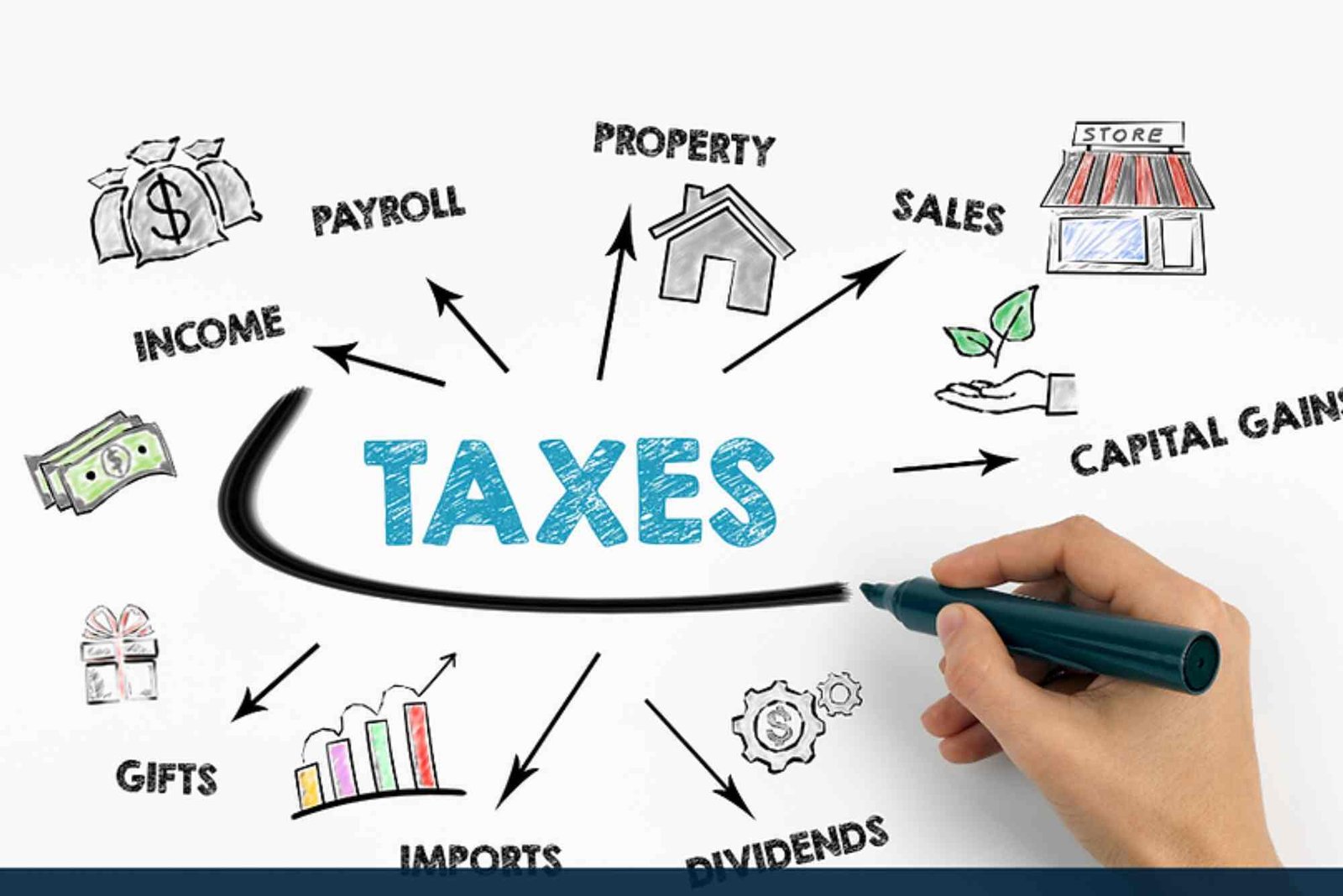
Income tax in Canada is a government levy collected by the Canada Revenue Agency (CRA) on earnings such as salary, business income, and investments. It is based on a progressive tax system, meaning higher incomes pay higher rates. Understanding income tax helps individuals and businesses stay compliant and manage finances effectively in Canada.
Frequently Asked Questions
Where is the best place to get a used car loan?
The best place depends on your credit profile and financial situation. Banks, credit unions, online lenders, and dealerships all offer financing options. Comparing multiple offers helps identify the most competitive terms.
Can I get a used car loan with bad credit?
Yes. Many lenders work with borrowers who have lower credit scores. However, interest rates may be higher. Improving your credit before applying can help secure better terms.
Do credit unions offer better car loan rates?
In many cases, credit unions provide lower interest rates and fewer fees than traditional banks. Membership requirements may apply.
Should I get pre-approved for a used car loan?
Yes. Pre-approval helps you understand your budget, compare financing options, and negotiate more confidently when purchasing a vehicle.
What credit score is needed for a used car loan?
Requirements vary by lender. Higher credit scores generally qualify for lower rates, but many lenders offer financing options for a wide range of credit profiles.
Related Reading: How to Calculate Interest on a Loan in Excel