



Introduction
Understanding taxes is an important part of managing your finances in Canada. Whether you are a Canadian citizen, permanent resident, international worker, or newcomer, knowing how the tax system works can help you avoid mistakes and make better financial decisions.
Many people ask, what is income tax in Canada? In simple terms, income tax is a portion of your earnings that you pay to the government. The money collected through taxes helps fund public services such as healthcare, education, infrastructure, public transportation, and social programs.
What Is Income Tax in Canada?
Income tax in Canada is a mandatory payment that individuals and businesses make to federal and provincial or territorial governments based on their income. The amount of tax you pay depends on several factors, including your total income, province of residence, deductions, credits, and filing status.
When discussing what is income tax in Canada, it is important to understand that taxes are collected at two levels. The federal government collects federal income tax, while provinces and territories collect their own income taxes. These taxes are generally combined and reported through a single annual tax return. Income can come from many sources, including employment wages, self-employment earnings, rental income, investment income, pensions, and certain government benefits.
Why Does Canada Collect Income Tax?
Income tax plays a vital role in maintaining public services across the country. The revenue generated through taxation helps governments provide essential services and invest in national development. Healthcare is one of the most significant areas supported by tax revenue. Education systems, roads, bridges, emergency services, public safety programs, and social assistance programs also rely heavily on tax funding.
Without income tax, governments would struggle to provide the services Canadians use every day. Therefore, understanding what is income tax in Canada also means understanding its importance in supporting society as a whole.


How Does Income Tax Work in Canada?
Canada uses a progressive tax structure. Under this system, different portions of your income are taxed at different rates. Many people mistakenly believe that earning more money pushes all their income into a higher tax bracket. In reality, only the portion of income that exceeds a specific threshold is taxed at the higher rate. For example, the first part of your income may be taxed at a lower rate, while additional income above certain limits may be taxed at higher rates.
Employers usually deduct income tax directly from employee paychecks throughout the year. These deductions are known as payroll withholdings. At the end of the tax year, individuals file a tax return to calculate their actual tax obligation. Depending on the amount already paid, taxpayers may receive a refund or need to pay additional taxes.
Who Must Pay Income Tax in Canada?
Most individuals earning income in Canada must pay income tax. Canadian residents are generally taxed on their worldwide income. This means income earned both inside and outside Canada may need to be reported.
Non-residents may also have tax obligations if they earn income from Canadian sources. Individuals commonly required to pay income tax include employees, self-employed professionals, freelancers, business owners, investors, landlords, retirees receiving pension income, and foreign workers employed in Canada. Understanding residency status is essential because tax obligations can vary significantly depending on whether a person is considered a resident or non-resident for tax purposes.
Federal and Provincial Income Taxes
One important aspect of understanding what is income tax in Canada is recognizing the difference between federal and provincial taxes. The federal government applies tax rates that are consistent across Canada. In addition to federal taxes, each province and territory applies its own tax rates and rules. As a result, two individuals earning the same income may pay different amounts of tax depending on where they live.
Provinces such as Ontario, British Columbia, Alberta, and Quebec each have unique tax structures. Quebec also administers its provincial tax system separately from the rest of Canada. Because provincial rates vary, location can significantly impact your overall tax burden.
Taxable Income Explained
Taxable income refers to the portion of your earnings that is subject to taxation after allowable deductions have been applied. Not all income is taxed equally. Certain benefits and allowances may be partially taxable or exempt from taxation.
Taxable income commonly includes employment earnings, self-employment profits, rental income, investment income, pension payments, and various government benefits. Calculating taxable income accurately is one of the most important steps in determining how much tax you owe.
Common Tax Deductions in Canada
Tax deductions reduce your taxable income, which may lower the amount of tax you pay. Several deductions are available to eligible taxpayers. These may include registered retirement savings plan contributions, childcare expenses, moving expenses, union dues, employment expenses, and certain self-employment costs.
For business owners and freelancers, deductible expenses can include office supplies, professional services, marketing costs, internet expenses, and business-related travel. Taking advantage of available deductions can significantly reduce your overall tax liability.
Understanding Tax Credits
Tax credits differ from deductions because they directly reduce the amount of tax owed rather than reducing taxable income.
Canada offers both refundable and non-refundable tax credits. Examples include the basic personal amount, tuition credits, disability tax credits, medical expense credits, caregiver credits, and charitable donation credits.
These credits help make the tax system fairer and provide support to individuals facing specific financial circumstances. Understanding available credits is another key part of learning what is income tax in Canada and how to manage your taxes effectively.
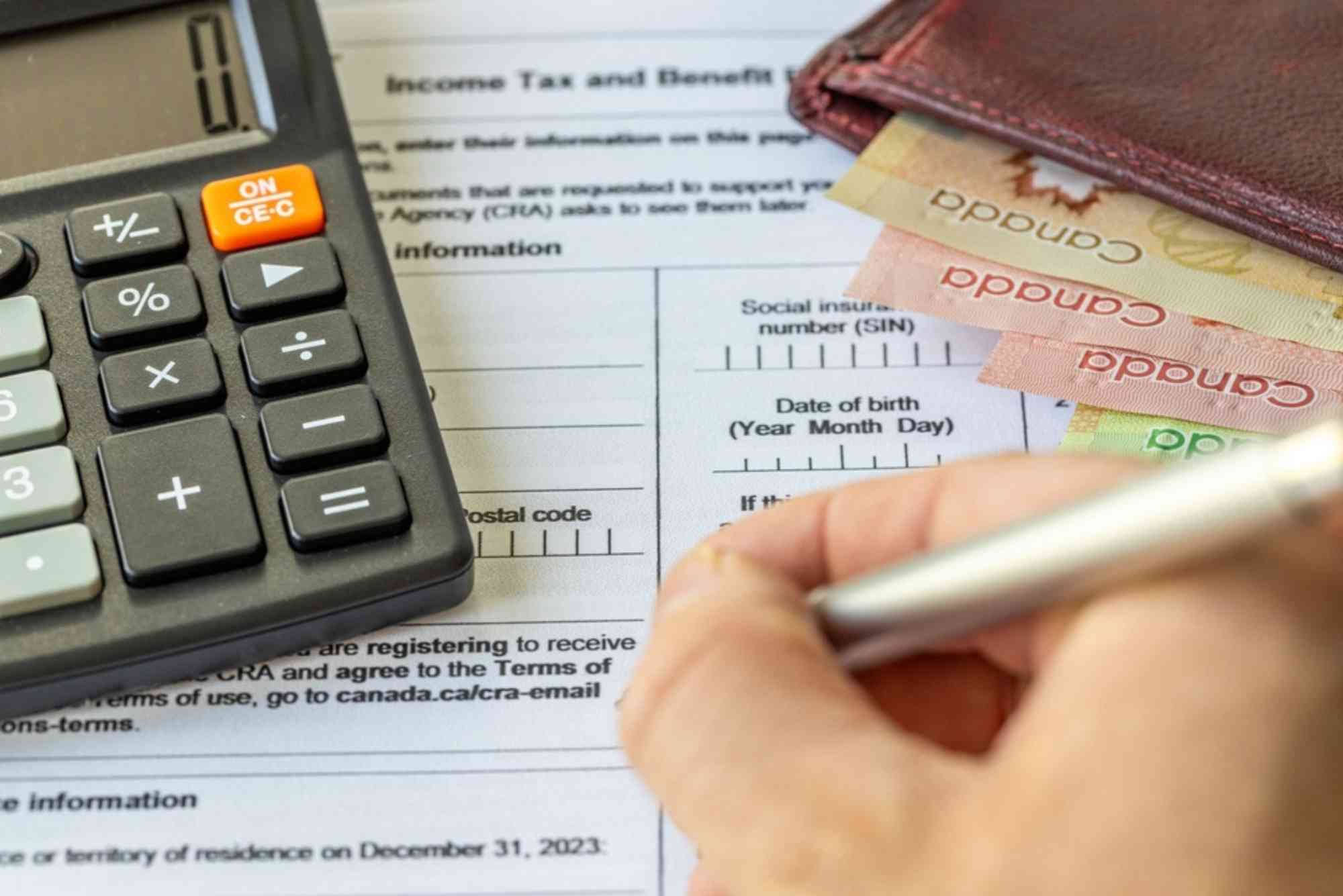
How to File an Income Tax Return in Canada
Filing a tax return is an annual requirement for most Canadians.
The tax year runs from January 1 to December 31. Tax returns are generally due by the end of April of the following year. To file a return, taxpayers gather income slips, receipts, deduction records, and supporting documents. Common documents include T4 slips from employers and T5 slips for investment income.
Many individuals use tax software to complete their returns. Others hire accountants or tax professionals for assistance. Accurate filing is important because errors can delay refunds or result in penalties.
What Happens If You Do Not File Taxes?
Failing to file taxes can lead to serious consequences.
Late filing penalties and interest charges may apply if taxes are owed. In addition, missing tax returns can affect eligibility for government benefits and credits. Programs such as the Canada Child Benefit and various provincial benefits often require up-to-date tax filings. Even if you have little or no income, filing a tax return may still be beneficial because it can help you access valuable government programs.
Ways to Reduce Your Income Tax Legally
Many Canadians look for legal ways to reduce their tax obligations. Contributing to retirement savings plans is one of the most effective strategies. These contributions may lower taxable income while helping build long-term financial security.
Keeping organized records of deductible expenses is also important. Self-employed individuals should track business expenses carefully throughout the year. Using available tax credits, maximizing education-related benefits, and planning investment strategies can further reduce tax liabilities. The key is understanding the available opportunities and maintaining proper documentation.
Income Tax for Newcomers to Canada
New immigrants often have questions about what is income tax in Canada and how the system applies to them. New residents generally become subject to Canadian tax rules once they establish significant residential ties to Canada.
Newcomers should keep records of foreign income, assets, and arrival dates. Understanding residency status early can prevent confusion during tax season. Many settlement organizations and tax clinics offer guidance specifically designed for immigrants and first-time tax filers.
Conclusion
Now that you understand what is income tax in Canada, it becomes easier to navigate the country’s tax system with confidence. Income tax funds essential public services and supports the programs that Canadians rely on every day. While the rules may seem complicated initially, understanding taxable income, deductions, credits, and filing requirements can help you stay compliant and potentially reduce your tax burden.
Understanding What Is Commercial Auto Insurance in the UAE is essential for businesses using vehicles for operations. It provides financial protection against accidents, damages, and third-party liabilities involving company-owned vehicles. This coverage helps ensure smooth business continuity, legal compliance, and reduced financial risk for commercial transport and logistics activities in the UAE.
Frequently Asked Questions
What is income tax in Canada in simple words?
Income tax in Canada is money paid to federal and provincial governments based on earnings from employment, business activities, investments, and other income sources.
Do all Canadians pay income tax?
Most Canadians who earn income must pay income tax. However, the amount varies depending on income level, deductions, and credits.
How often do Canadians pay income tax?
Employees usually pay income tax throughout the year through payroll deductions. Tax returns are filed annually to calculate the final tax amount.
Can I get an income tax refund in Canada?
Yes. If more tax was withheld than required during the year, you may receive a refund after filing your tax return.
What income is taxable in Canada?
Taxable income may include employment earnings, self-employment income, rental income, investment income, pension payments, and certain government benefits.
Do newcomers need to file taxes in Canada?
Yes. Many newcomers must file tax returns after becoming Canadian residents for tax purposes, even if they arrived during the year.