




Introduction
Understanding who pays taxes in the US is important for anyone living, working, or doing business in the country. The US tax system is based mainly on income, residency status, and type of earnings, meaning that not only citizens but also foreign nationals and businesses may be required to contribute. In simple terms, who pays taxes in the US depends on how much income you earn, where you earn it, and your legal tax status. Whether you are an employee, self-employed worker, investor, or company owner, the rules define clear responsibilities.
The concept of who pays taxes in the US is often misunderstood, especially by newcomers and international earners. Taxes fund essential public services like healthcare systems, infrastructure, defense, and education. Because of this, the Internal Revenue Service (IRS) applies tax obligations broadly across individuals and entities that meet specific income or residency conditions.
Who Pays Taxes in the US as Residents
When discussing who pays taxes in the US, the first group is US residents. Residents include citizens, green card holders, and individuals who meet the substantial presence test.
US citizens automatically fall under US tax laws, regardless of where they live. Even if a US citizen earns income abroad, they are still required to report it. This makes citizenship a key factor in determining who pays taxes in the US.
Green card holders are also considered tax residents. They must report worldwide income, similar to citizens. The same applies to individuals who pass the substantial presence test, which calculates the number of days spent in the US over a three-year period.
For these groups, who pays taxes in the US is straightforward: almost all global income must be reported, including wages, investments, rental income, and business profits.


Who Pays Taxes in the US as Non-Residents
Non-resident aliens also fall under the category of who pays taxes in the US, but their obligations are more limited. Non-residents are generally taxed only on income earned within the United States.
For example, if a foreign worker earns income from a US-based job or business, they are required to pay taxes on that income. However, income earned outside the US is typically not taxed.
Understanding who pays taxes in the US for non-residents is important for international workers, students, and investors. They may also be subject to withholding taxes on certain types of income such as dividends, royalties, or interest earned from US sources.
Double taxation treaties between the US and other countries can sometimes reduce tax obligations, making the rules for who pays taxes in the US more manageable for foreign taxpayers.
Who Pays Taxes in the US Among Employees
Employees represent one of the largest groups in the discussion of who pays taxes in the US. If you work for an employer, taxes are usually deducted directly from your paycheck.
This includes federal income tax, Social Security tax, and Medicare tax. Employers are required to withhold these amounts and send them to the IRS on behalf of the employee.
Even though employees do not manually pay taxes in most cases, they are still part of the system that defines who pays taxes in the US. At the end of the year, employees file tax returns to reconcile any overpayment or underpayment.
The tax rate depends on income level, filing status, and deductions, which means two employees earning different salaries may pay different amounts.
Who Pays Taxes in the US if You Are Self-Employed
Self-employed individuals also play a major role in understanding who pays taxes in the US. This group includes freelancers, contractors, small business owners, and gig workers.
Unlike employees, self-employed individuals are responsible for paying both the employer and employee portions of Social Security and Medicare taxes. This is known as self-employment tax.
They must also make estimated quarterly tax payments instead of having taxes automatically withheld. This makes financial planning very important for anyone trying to understand who pays taxes in the US under self-employment rules.
Business expenses can often be deducted, which helps reduce taxable income, but accurate record-keeping is essential.
Who Pays Taxes in the US for Businesses
Businesses are another major category in the question of who pays taxes in the US. Companies are taxed based on their structure, income, and operations.
Corporations pay corporate income tax on their profits. Depending on the structure, some businesses such as partnerships and LLCs may pass income through to owners, who then pay taxes individually.
This system ensures that who pays taxes in the US includes both large corporations and small business owners. Businesses may also pay payroll taxes, sales taxes, and property taxes depending on their activities and location.
Tax obligations for businesses are often more complex than for individuals, requiring professional accounting support in many cases.
Who Pays Taxes in the US Based on Income Type
Income type also plays a major role in determining who pays taxes in the US. Not all income is taxed in the same way.
Earned income, such as salaries and wages, is taxed at standard rates. Investment income, such as dividends and capital gains, may be taxed differently. Some income types, like certain government benefits, may be partially or fully exempt.
Understanding this distinction helps clarify who pays taxes in the US and how much they pay. High-income earners often face higher tax rates due to progressive taxation.
The US tax system is designed so that people with higher earnings contribute a larger share compared to those with lower incomes.
Who Pays Taxes in the US Through Indirect Taxes
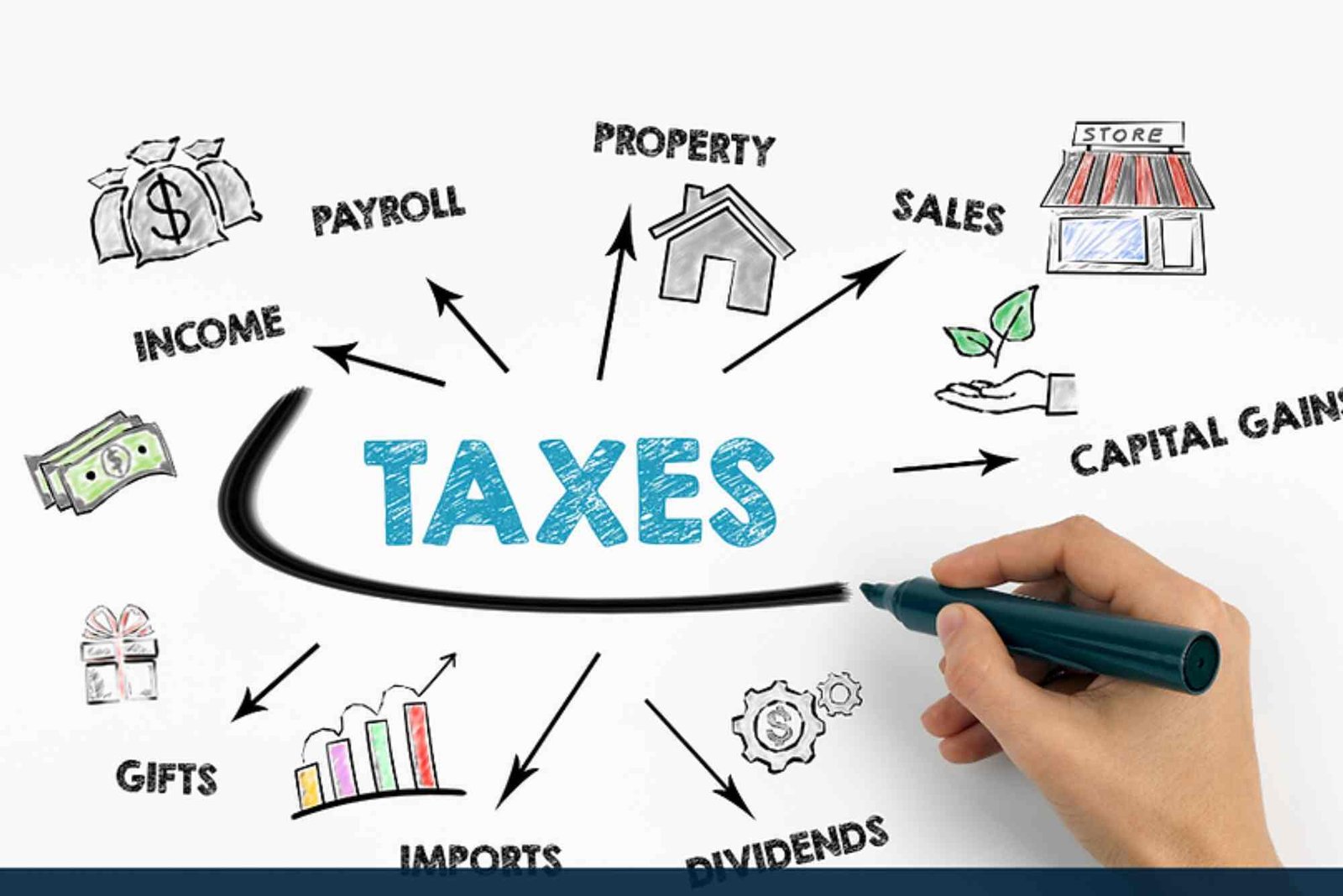
In addition to income taxes, indirect taxes also apply when discussing who pays taxes in the US. These include sales tax, property tax, and excise taxes.
Consumers pay sales tax when purchasing goods and services, although the rate varies by state. Property owners pay property taxes based on the value of real estate.
Even if someone does not directly file income taxes, they still participate in who pays taxes in the US through everyday spending and ownership.
These indirect taxes contribute significantly to state and local government revenue.
Why Understanding Who Pays Taxes in the US Matters
Knowing who pays taxes in the US is essential for financial planning, legal compliance, and avoiding penalties. Many people underestimate their tax obligations, especially newcomers or freelancers.
The IRS uses strict rules to ensure that individuals and businesses meet their responsibilities. Failing to comply can result in fines or legal consequences.
By understanding who pays taxes in the US, taxpayers can better manage their income, deductions, and financial decisions throughout the year.
Final Thoughts on Who Pays Taxes in the US
In conclusion, who pays taxes in the US includes a wide range of individuals and entities such as citizens, residents, non-residents, employees, self-employed workers, and businesses. The system is designed to ensure that anyone earning income connected to the United States contributes fairly.
Why Formula Is Not Calculating in Excel: Formulas in Excel may not calculate due to several common reasons. The cell could be formatted as text instead of general or number, or “Show Formulas” mode might be enabled. Also, automatic calculation may be turned off in settings. Errors in formula syntax or hidden spaces can also prevent results from updating correctly.
FAQs
What determines who pays taxes in the US?
Who pays taxes in the US depends on residency status, citizenship, income level, and where the income is earned.
Do non-citizens pay taxes in the US?
Yes, non-citizens may pay taxes in the US if they earn income from US sources or meet residency requirements.
Do I have to pay US taxes if I live outside the country?
US citizens and green card holders still pay taxes in the US even if they live abroad, though credits may reduce double taxation.
Do all employees pay taxes in the US?
Yes, most employees contribute through payroll taxes automatically deducted from their income.
Do businesses pay taxes in the US?
Yes, businesses pay taxes in the US depending on their structure, income, and location of operations.
Is everyone required to file taxes in the US?
Not everyone, but most individuals who earn above a certain income threshold or meet residency rules must file returns.