



Introduction
Understanding when is the best time to sell an investment property is one of the most important decisions for any real estate investor. The timing of your sale can significantly impact your profit, tax liability, and long-term financial strategy. Many investors focus only on buying right, but selling at the right moment is equally crucial for maximizing returns.
The real estate market does not move in a straight line. It changes based on economic cycles, interest rates, demand trends, and local development. Because of this, there is no single universal answer to when is the best time to sell an investment property. However, there are clear indicators and strategic signs that help investors make informed decisions.
Understanding Market Cycles Before Selling
During the recovery phase, prices are slowly increasing, but demand is still uncertain. Selling during this time may not deliver maximum profit. The expansion phase is when demand increases, prices rise steadily, and investors start gaining strong returns. This is often a favorable time to consider selling.
The peak phase is usually considered the most profitable selling window. Prices are high, buyer demand is strong, and properties sell quickly. However, predicting the exact peak is difficult. The decline phase should generally be avoided unless you need urgent liquidity, as prices may fall and holding becomes less profitable. Understanding these cycles helps investors make more rational decisions instead of emotional ones when evaluating when is the best time to sell an investment property.
Market Conditions That Signal a Good Selling Opportunity
Another key factor in determining when is the best time to sell an investment property is analyzing current market conditions. Strong seller markets usually show rising property prices, low inventory, and high buyer demand.
When more buyers are competing for fewer properties, sellers gain pricing power. This often leads to quicker sales and higher offers. On the other hand, when inventory increases and demand slows down, buyers gain advantage, which may reduce your selling price. Interest rates also play a major role. When interest rates are low, more buyers can afford loans, increasing demand. This can create a favorable selling environment. When rates rise, borrowing becomes expensive, and demand may slow down, affecting property prices.Monitoring these signals helps investors better understand when is the best time to sell an investment property based on real-time market strength.


Property Performance and Income Trends
Apart from market conditions, property performance is another critical factor in deciding when is the best time to sell an investment property. If your rental income is decreasing or maintenance costs are increasing, your property may no longer be a strong investment.A property that requires frequent repairs or major upgrades can reduce net returns over time. In such cases, selling before expenses outweigh profits may be a smart financial decision.
Vacancy rates also matter. If your property is frequently vacant, it indicates weakening demand or location issues. Investors often consider selling when rental yield starts declining consistently. Strong-performing properties in high-demand areas may be worth holding longer, but underperforming assets are often better sold early. Evaluating cash flow trends helps answer when is the best time to sell an investment property more accurately.
Personal Financial Goals and Investment Strategy
Your personal financial goals are just as important as market conditions when deciding when is the best time to sell an investment property. Real estate investing is not only about market timing but also about aligning with your life goals. Some investors sell to reinvest in better opportunities, while others sell to reduce debt or increase liquidity. If your investment has achieved your target return, it may be a good time to exit, even if the market continues to rise.
Life events such as retirement, relocation, or business expansion also influence timing decisions. Holding property for too long may limit financial flexibility, while selling at the right time can unlock capital for new opportunities. A clear strategy ensures you are not guessing but making intentional decisions about when is the best time to sell an investment property.
Interest Rates, Inflation, and Economic Trends
Economic factors heavily influence when is the best time to sell an investment property. Interest rates and inflation are two major drivers of property market behavior.When inflation rises, property prices often increase because real estate is seen as a hedge against inflation. This can create a strong selling environment. However, if inflation leads to higher interest rates, buyer demand may slow down.
Low interest rate environments usually encourage borrowing, increasing demand for real estate and pushing prices higher. This can be an ideal time to sell if you want maximum exposure to buyers. Economic growth, job stability, and population growth also contribute to property demand. Investors who track these indicators are better positioned to identify when is the best time to sell an investment property with higher accuracy.
Tax Considerations and Holding Perio
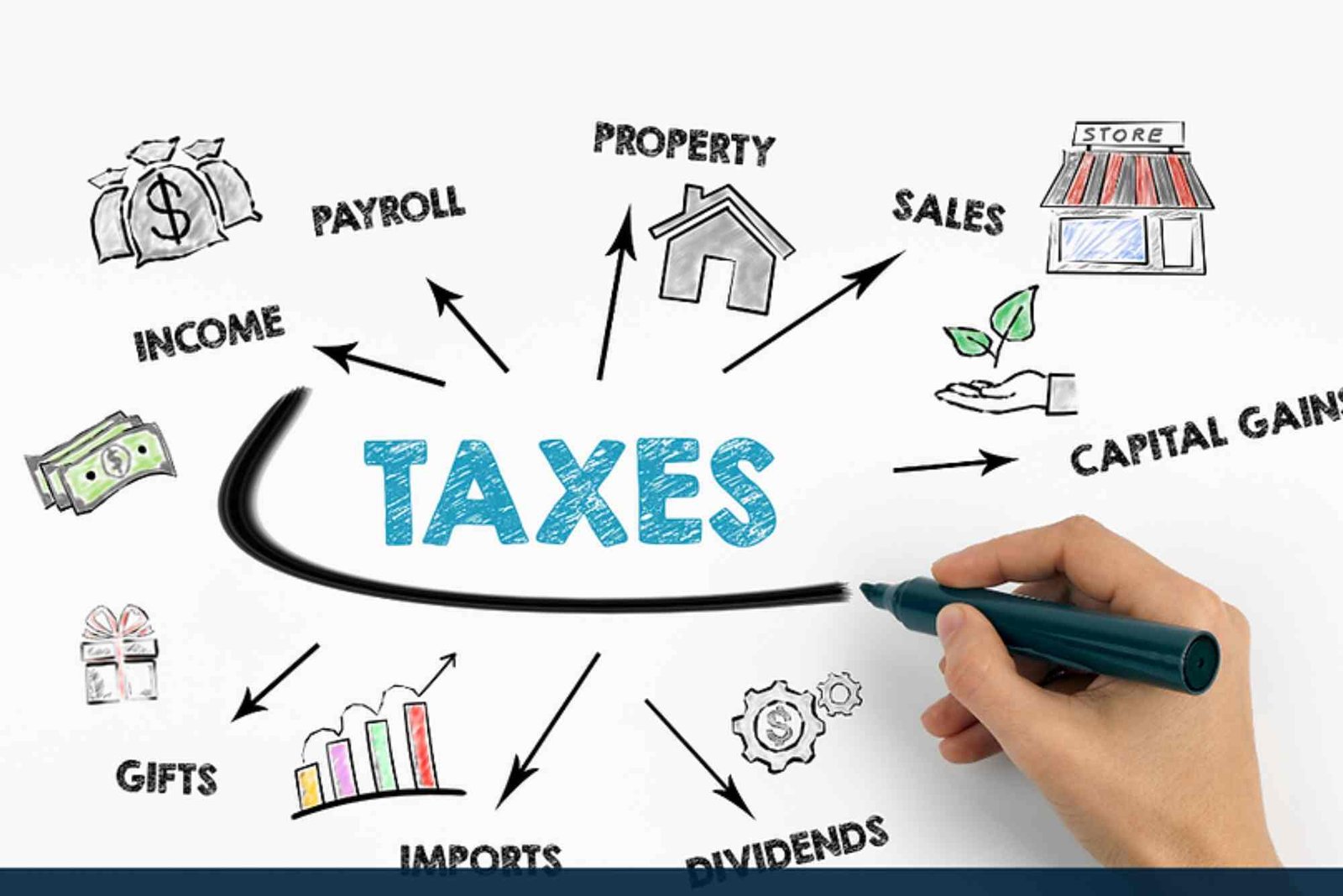
Taxes play an important role in deciding when is the best time to sell an investment property. In many regions, capital gains tax applies when selling investment assets. Holding a property for a longer period may reduce tax liability in some cases. However, waiting only for tax benefits without considering market conditions may reduce overall profit.
Depreciation benefits, deductions, and reinvestment strategies also affect timing decisions. Investors should always evaluate net profit after taxes, not just gross selling price. A balanced approach between tax efficiency and market opportunity helps ensure that when is the best time to sell an investment property aligns with financial optimization.
Common Mistakes Investors Make When Selling
Many investors struggle with when is the best time to sell an investment property because of emotional decisions. One common mistake is holding a property too long in hopes of higher future prices, even when the market has already peaked. Another mistake is selling during a downturn due to panic or short-term pressure. This often leads to lower returns. Emotional decision-making can reduce long-term profitability significantly.
Some investors also ignore maintenance costs and continue holding properties that are no longer profitable. Over time, these hidden costs reduce investment efficiency. Avoiding these mistakes requires a clear understanding of data, trends, and financial goals when deciding when is the best time to sell an investment property.
Final Investment Insight
Strong market conditions, high demand, rising prices, and favorable interest rates often create ideal selling opportunities. At the same time, declining property performance or changing life goals may also signal that it is time to exit. Successful investors focus on data rather than emotions. They analyze trends, track income performance, and align decisions with long-term financial strategy.
A HUD loan is a mortgage option backed by the U.S. Department of Housing and Urban Development that helps low and moderate-income borrowers achieve affordable homeownership. It offers flexible credit requirements and lower down payments. Learn more about federal assistance through our detailed guide on HUD loan programs for better financial planning and home buying options today.
FAQs
When is the best time to sell an investment property for maximum profit?
The best time is usually during a seller’s market when demand is high, inventory is low, and property prices are rising. This creates strong competition among buyers and increases your selling price potential.
Should I sell my investment property when the market is high?
Yes, selling during a market peak often provides the highest returns. However, timing the exact peak is difficult, so investors should monitor trends carefully rather than wait too long.
How do interest rates affect when is the best time to sell an investment property?
Lower interest rates increase buyer demand, which can raise property prices. Higher rates may reduce demand, potentially affecting your selling price negatively.
Is it better to sell or hold an investment property long term?
It depends on performance and goals. If the property generates strong rental income and appreciation, holding may be better. If returns decline, selling may be more profitable.
What are the signs that I should sell my investment property?
Key signs include declining rental income, high maintenance costs, low occupancy, or strong market conditions that allow you to maximize profit.