



Introduction
Understanding when are quarterly taxes due is important for freelancers, self-employed individuals, and small business owners who do not have taxes automatically deducted from their income. If you miss these deadlines, you may face penalties and interest, so staying informed is essential.
What Are Quarterly Taxes?
Before focusing on when are quarterly taxes due, it helps to understand what quarterly taxes actually are.
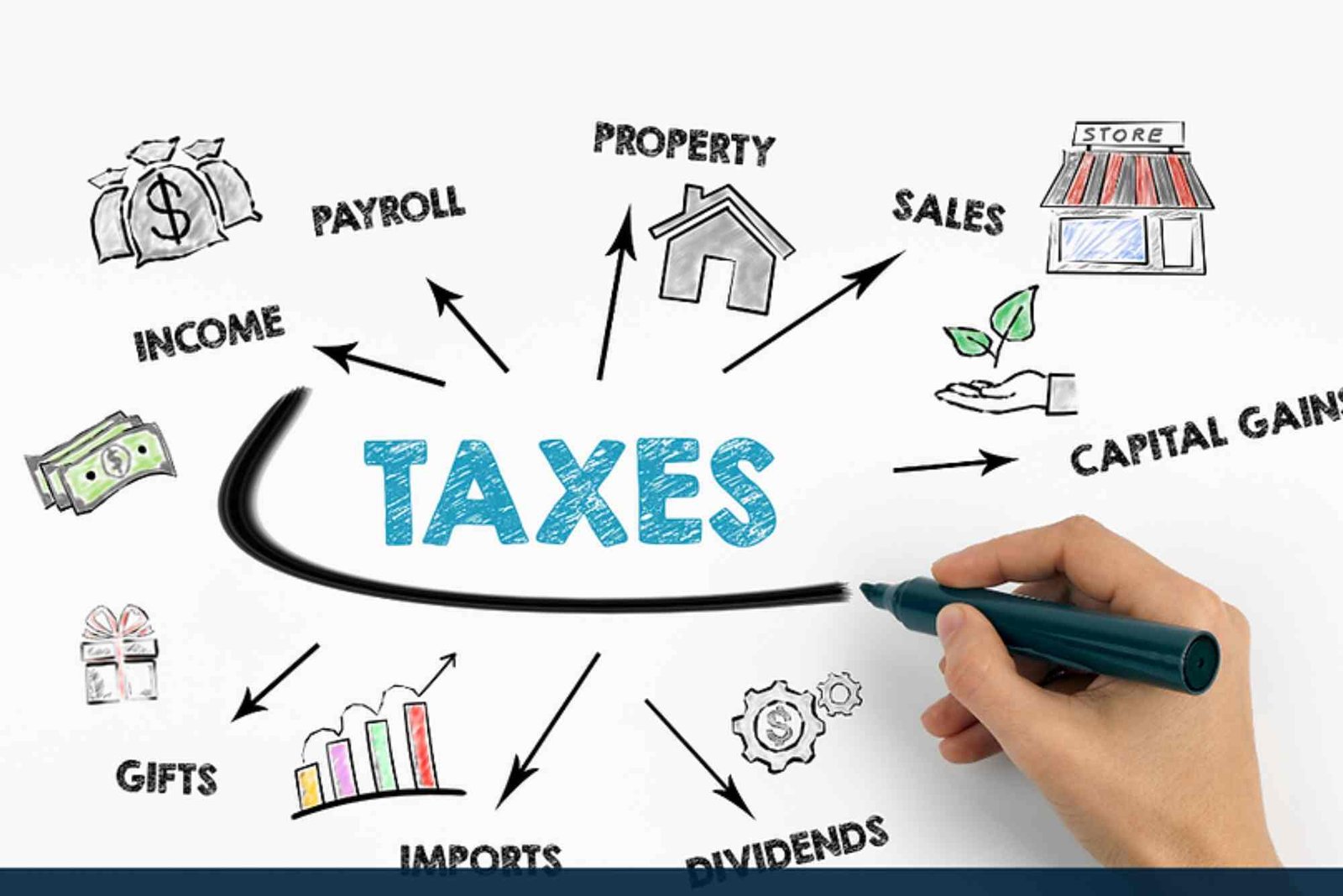
Quarterly taxes (also called estimated taxes) are payments made to the government four times a year. They cover income tax and self-employment tax for people who earn income without automatic tax withholding.
Who needs to pay quarterly taxes?
You likely need to pay if you are:
- Self-employed or freelance worker
- Small business owner
- Gig economy worker
- Investor or rental income earner
If you expect to owe at least $1,000 in taxes for the year, you usually must make estimated payments.
When are Quarterly Taxes Due in 2026?
The most important question is when are quarterly taxes due in 2026. The IRS divides the year into four payment periods.


Quarter 1
Income: Jan 1 – Mar 31
Due date: April 15, 2026
Quarter 2
Income: Apr 1 – May 31
Due date: June 15, 2026
Quarter 3
Income: Jun 1 – Aug 31
Due date: September 15, 2026
Quarter 4
Income: Sep 1 – Dec 31
Due date: January 15, 2027
So when asking when are quarterly taxes due, the answer is typically April, June, September, and January every year.
Why Quarterly Taxes Are Required
Understanding when are quarterly taxes due is easier when you know why they exist.
The IRS uses a “pay-as-you-earn” system, meaning taxes must be paid throughout the year instead of one lump sum.
Main reasons include:
- Steady government tax collection
- Avoiding large tax bills at year-end
- Ensuring fair tax payments for independent earners
How to Calculate Quarterly Taxes
Knowing when are quarterly taxes due is not enough—you also need to calculate payments correctly.
Estimate yearly income
Start by predicting your total annual earnings.
Deduct expenses
Include business costs and eligible deductions.
Apply tax rates
Self-employed individuals often pay:
- Income tax (based on bracket)
- Self-employment tax (~15.3%)
Step 4: Divide into four payments
Your total tax is split evenly across four quarters.
What Happens If You Miss Payments?
Missing when are quarterly taxes due deadlines can lead to serious consequences.
Possible penalties:
- Late payment penalties
- Interest charges
- Underpayment penalties
Even if you pay later, penalties may still apply.
How to Pay Quarterly Taxes
Once you know when are quarterly taxes due, the next step is payment.
Payment options:
- IRS Direct Pay (bank transfer)
- EFTPS system
- Debit or credit card
- Form 1040-ES by mail
Online payment is usually the fastest and safest option.
Who Does NOT Need Quarterly Taxes?
Not everyone must worry about when are quarterly taxes due.
You may not need to pay if:
- You are a W-2 employee with sufficient withholding
- You owe less than $1,000 in taxes annually
- You had no tax liability last year
Common Mistakes to Avoid
Many people misunderstand when are quarterly taxes due and make avoidable errors.
Frequent mistakes include:
- Missing deadlines
- Underestimating income
- Forgetting side earnings
- Not adjusting payments during the year
Tips to Stay on Track
Managing when are quarterly taxes due becomes easier with planning.
Helpful strategies:
- Save 25–30% of each payment received
- Use accounting software
- Set calendar reminders
- Consult a tax professional
Why It Matters
Understanding when are quarterly taxes due helps you stay financially organized and avoid unnecessary penalties. It also improves cash flow management and reduces stress during tax season.
FAQs
When are quarterly taxes due each year?
They are due on April 15, June 15, September 15, and January 15.
What happens if I miss quarterly taxes?
You may face penalties and interest from the IRS.
Do all self-employed people pay quarterly taxes?
Yes, if they expect to owe $1,000 or more in taxes.
Can I pay all taxes at once?
Yes, but quarterly payments are recommended to avoid penalties.
How do I calculate quarterly taxes?
Estimate annual income, subtract expenses, apply tax rates, then divide by four.
Knowing when are quarterly taxes due is essential for anyone earning self-employment or freelance income. With four key deadlines throughout the year, staying organized helps you avoid penalties and manage finances better.
When to Get Pregnant Calculator: helps women understand their most fertile days and plan pregnancy more effectively. By tracking ovulation cycles, menstrual patterns, and fertility windows, it provides better chances of conception. This tool is useful for couples planning a baby and wanting to improve timing and awareness of reproductive health online.