

Introduction
If you are preparing for college admissions, one of the most common questions you will come across is what type of calculator is allowed on the SAT. Understanding what type of calculator is allowed on the SAT is extremely important because it directly impacts your test-day strategy, speed, and accuracy. Many students assume that any advanced calculator will be allowed, but the College Board has specific rules that you must follow.
The SAT is designed to test your reasoning skills, not just your ability to compute answers quickly. That is why knowing what type of calculator is allowed on the SAT can help you prepare more effectively and avoid unnecessary stress on exam day. In this guide, we will break down everything in detail—from approved devices to restricted models, along with practical tips and FAQs.
Overview of SAT Calculator Policy
The College Board, which administers the SAT, allows students to use calculators in the math section, but with clear restrictions. While most questions can technically be solved without a calculator, having one helps save time and reduce errors.
When discussing what type of calculator is allowed on the SAT, it is important to understand that the test does not restrict you to only basic calculators. In fact, many scientific and graphing calculators are permitted. However, internet-enabled or communication-capable devices are strictly prohibited.
The key idea is simple: your calculator should assist computation, not provide external help or connectivity.
What Type of Calculator Is Allowed on the SAT
To fully understand what type of calculator is allowed on the SAT, let’s break it down into categories of approved and unapproved devices.


Approved Calculator Types
Scientific calculators
Scientific calculators are fully allowed and widely used. These include basic models that can handle square roots, exponents, and trigonometric functions. If you are wondering what type of calculator is allowed on the SAT for simple problem-solving, this is the safest option.
Graphing calculators
Graphing calculators are also allowed and often preferred by students. These devices can plot graphs, solve equations, and handle advanced algebra. When considering what type of calculator is allowed on the SAT, graphing calculators like TI-84 models are among the most popular choices.
Four-function calculators
These are simple calculators used for addition, subtraction, multiplication, and division. While basic, they are still part of what type of calculator is allowed on the SAT, though they may not be efficient for complex questions.
Disallowed Calculators
Understanding what type of calculator is allowed on the SAT also means knowing what is NOT allowed:
Calculators with internet access
Any calculator that can connect to Wi-Fi, Bluetooth, or mobile networks is strictly banned.
Calculators with QWERTY keyboards
Devices with full keyboard layouts resembling computers are not permitted.
Built-in phone calculators
Smartphones, tablets, and smartwatches cannot be used. Even if they have calculator apps, they are not part of what type of calculator is allowed on the SAT.
Audio or recording calculators
Any device capable of recording or playing audio is prohibited.
Key Features That Are Allowed
When checking what type of calculator is allowed on the SAT, make sure your device has the following acceptable features:
- Basic arithmetic functions
- Scientific functions (sin, cos, tan)
- Graphing capabilities (optional but useful)
- Memory storage (non-programmable or limited programming allowed)
Best Calculators Students Commonly Use
While there are many options, students often choose reliable and widely accepted models when deciding what type of calculator is allowed on the SAT.
Some commonly used options include:
- TI-84 Plus series (graphing calculator)
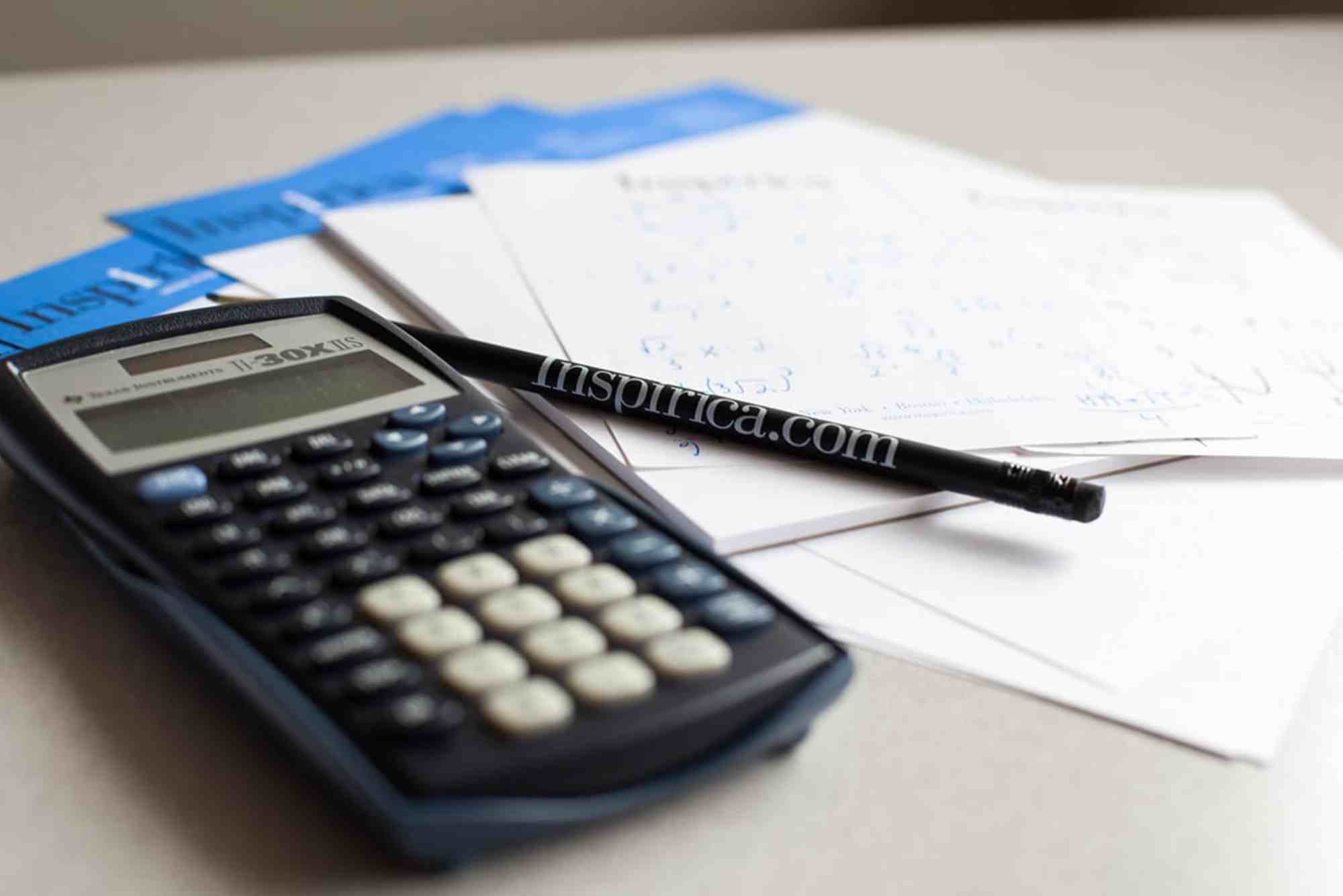
- TI-30XS MultiView (scientific calculator)
- Casio fx-9750GII (graphing calculator)
- Sharp EL-W516X (scientific calculator)
These models are popular because they meet all requirements for what type of calculator is allowed on the SAT and are easy to use under exam pressure.
SAT Calculator Rules During Test Day
Even if you know what type of calculator is allowed on the SAT, you must also follow test-day rules:
Check before the exam
Proctors may inspect your calculator to ensure it meets requirements.
Bring extra batteries
A dead calculator can slow you down significantly.
No sharing allowed
You cannot borrow or share calculators during the test.
Clear memory if required
Some calculators may need to be reset before the exam starts.
These rules ensure fairness and help maintain consistency across all test-takers.
Tips for Choosing the Right Calculator
Choosing wisely is just as important as knowing what type of calculator is allowed on the SAT. Here are some practical tips:
Choose what you already know
Do not buy a new calculator right before the exam. Familiarity is key.
Practice with SAT-style questions
Make sure your calculator supports functions you regularly use in practice tests.
Avoid overly complex devices
Even if advanced calculators are allowed, simplicity often leads to fewer mistakes.
Check battery life
A reliable calculator should last through the entire exam without issues.
Common Mistakes Students Make
Many students misunderstand what type of calculator is allowed on the SAT and make avoidable mistakes:
Bringing restricted devices
Some students accidentally bring calculators with communication features.
Not practicing beforehand
Having a powerful calculator is useless if you don’t know how to use it efficiently.
Over-relying on calculators
The SAT still tests reasoning skills, so not every question requires one.
Ignoring test rules
Even a small violation can lead to disqualification of your score.
FAQs
Can I use any graphing calculator on the SAT?
Most graphing calculators are allowed as long as they do not have internet access or communication features.
Is a phone calculator allowed on the SAT?
No, smartphones or any phone-based calculator apps are not allowed.
What is the best calculator for the SAT math section?
A TI-84 Plus or similar graphing calculator is widely considered the best option.
Do I really need a calculator for the SAT?
Yes, but only for certain questions. Many can still be solved without one.
Can I use more than one calculator during the test?
Yes, you can bring multiple approved calculators, but both must comply with SAT rules.
Understanding what type of calculator is allowed on the SAT is a crucial part of your test preparation strategy. From scientific calculators to advanced graphing models, knowing your options helps you avoid last-minute confusion and focus on solving problems efficiently.
What Is Vat and How It Is Calculated VAT (Value Added Tax) is a consumption tax applied to goods and services at each stage of production and distribution. It is calculated by adding a fixed percentage to the sale price. Businesses collect VAT from customers and pay it to the government after deducting input tax. It varies by country and is an important source of revenue globally. It impacts trade