

What Is Tax? A Complete Guide for Beginner
Taxes are part of everyday life, yet many people struggle to understand exactly what they are, how they work, and why they matter. In this comprehensive guide, we’ll answer the question What is tax? in clear, simple language — breaking down types of taxes, how governments collect them, and how they impact individuals and businesses. Whether you’re a student, taxpayer, or business owner, this guide will give you a solid foundation.
Imagine buying a cup of coffee, earning your first paycheck, or starting a small business. Somewhere along the way, you will encounter taxes. But what is tax? In its simplest form, a tax is a financial charge imposed by a government on individuals, businesses, or other entities. Governments use taxes to fund public services such as education, healthcare, defense, and infrastructure. Without taxes, most of the services we rely on daily would not exist.
In this article, we’ll explore:
- Why taxes exist
- The main types of taxes
- How they are calculated
- Common questions real people ask about taxation
Let’s begin with the basics.
Understanding the Basics — What Is Tax?
To answer what is tax?, you need to understand its purpose and how it functions in society.
Definition of Tax
A tax is a compulsory contribution required by law from individuals and organizations to the government. It is not optional and non-payment can lead to penalties or legal action.


Why Taxes Exist
Taxes serve several core purposes:
Funding Public Services
Taxes finance schools, hospitals, roads, police, fire services, and social welfare programs.
Redistributing Wealth
Progressive tax systems redistribute income by charging higher-income individuals more, helping fund social programs for lower-income groups.
Stabilizing the Economy
Governments use taxes to manage inflation and influence economic growth.
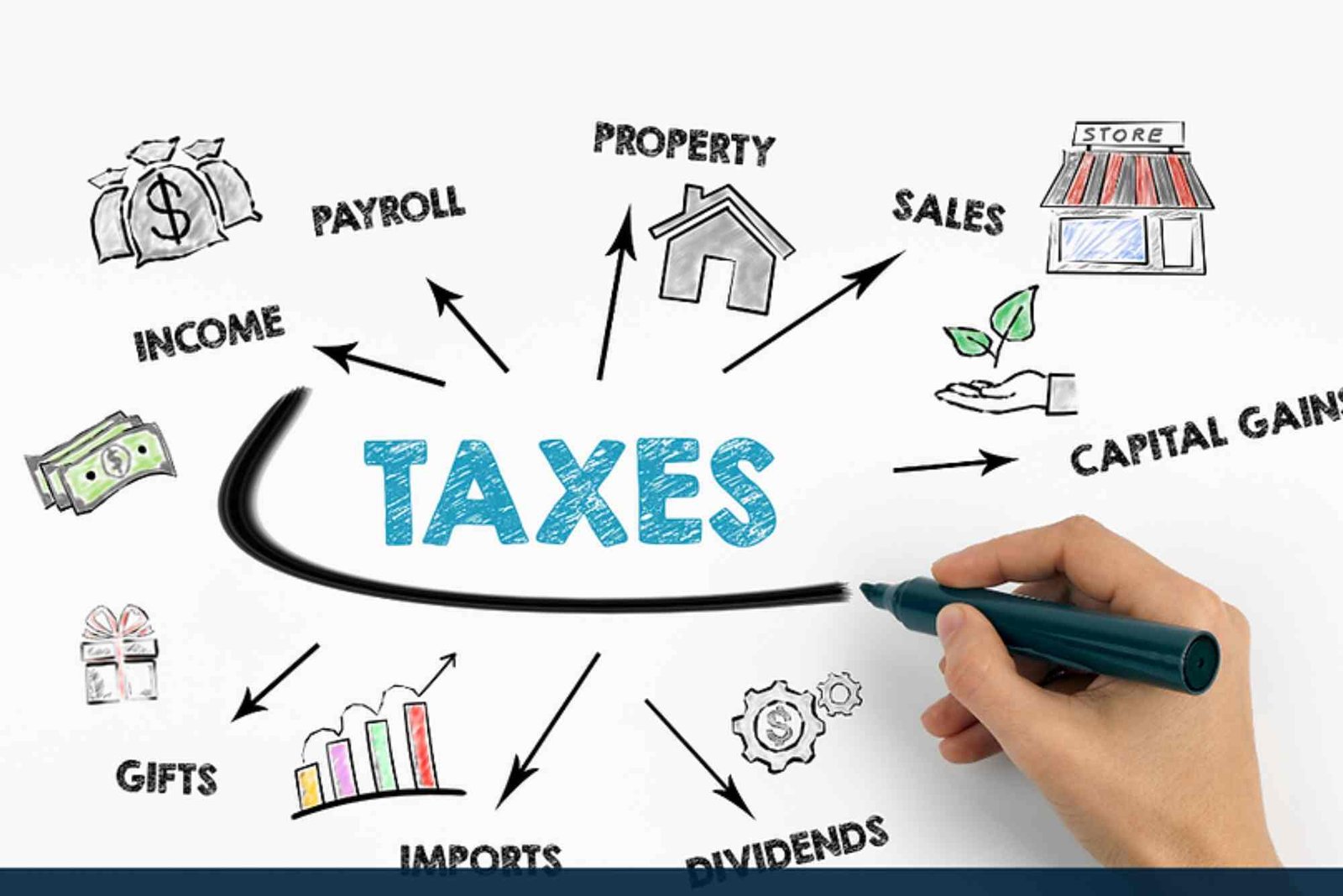
Types of Taxes
There are many kinds of taxes. Some you pay directly, and others are included in the cost of goods and services.
Direct Taxes
Direct taxes are paid directly to the government by the person or entity on whom it is imposed.
Income Tax
This is a tax on earnings from work, business profits, investments, or other income sources.
Corporate Tax
Corporations pay tax on their profits. This helps governments collect revenue from businesses.
Property Tax
Owners of land or buildings pay this tax annually based on property value.
Indirect Taxes
Indirect taxes are included in the price of goods and services.
Sales Tax
A percentage added to the price of products at checkout.
Value-Added Tax (VAT)
A consumption tax charged at every stage of production when value is added to a product.
Excise Tax
Often applied to specific goods like fuel, alcohol, or tobacco.
How Taxes Are Calculated
To truly understand what is tax? we must look at how taxes are calculated.
Income Tax Calculation
Income tax typically follows a progressive system, meaning higher income levels are taxed at higher rates.
Tax Brackets
Governments set income ranges and tax each portion of your income at a specific rate.
Example
If you earn $50,000 and the tax system has brackets like 10% up to $10,000 and 20% up to $40,000, you’ll pay 10% on the first chunk and 20% on the next.
Sales and Consumption Tax
Sales tax is simple: it’s a percentage of the purchase price.
Example:
If a shirt costs $30 and sales tax is 8%, you pay an extra $2.40 at checkout.
Corporate Tax
Corporate tax depends on the business’s profit after deducting allowable expenses and losses.
Who Pays Taxes?
Almost everyone pays taxes in some form.
Individuals
Workers, freelancers, and investors pay income tax and other related taxes.
Businesses
Companies contribute through corporate tax, payroll taxes, and indirect taxes collected from customers.
Consumers
Even if you don’t file tax returns, you still pay indirect taxes when buying things.
Why Understanding Taxes Matters
Knowing what is tax? empowers you to manage money wisely.
Personal Financial Planning
If you understand taxes, you can budget better and make smarter decisions about saving and investing.
Avoiding Penalties
Failing to pay taxes or filing incorrectly can lead to fines, interest, or even legal trouble. Understanding your tax responsibilities reduces this risk.
Maximizing Benefits and Credits
Governments often offer credits and deductions that lower your tax burden if you know how to claim them.
Common Tax Terms You Should Know
To navigate taxation, here are key terms explained:
Taxable Income
This is the portion of your income that is actually subject to tax after deductions and exemptions.
Deductions
Amounts that reduce your taxable income (e.g., education expenses, business costs).
Tax Credits
These directly reduce the tax you owe—often more powerful than deductions.
Withholding
Money taken out of your paycheck throughout the year to prepay your tax bill.
Real-Life Scenarios — How Taxes Affect You
Starting Your First Job
When you start working, your employer usually withholds income tax from your pay. Understanding what is tax? helps you interpret your pay stub and adjust withholdings if needed.
Buying a Car
You pay sales tax based on the price of the vehicle at purchase. Knowing this helps you budget effectively.
Running a Small Business
Small business owners must track profits, file returns, and pay taxes quarterly to avoid fines.
Tax Systems Around the World
Different countries have varying tax systems, but the principles are similar.
Progressive Systems
Countries like the United States and many in Europe tax higher incomes at higher rates.
Flat Tax Systems
Some countries tax all income at the same rate regardless of amount.
Consumption-Based Systems
Nations like those in the Middle East rely heavily on VAT and export taxes while having low or no income tax.
Each system raises funds while reflecting that country’s economic priorities and social values.
FAQs
Below are real user questions often asked around what is tax?
What is tax and why do we pay it?
Taxes are mandatory payments to the government used to fund public services and infrastructure.
What are the main types of taxes?
The main types are income tax, corporate tax, sales tax, VAT, property tax, and excise taxes.
How does income tax work?
Income tax is calculated based on how much you earn, using tax brackets or flat rates set by the government.
What is the difference between direct and indirect taxes?
Direct taxes are paid straight to the government (like income tax), while indirect taxes are included in costs of goods and services (like sales tax).
Are all taxes refunded?
Not all taxes are refundable. Tax refunds occur if you overpaid throughout the year, but this depends on your situation.
Do students pay tax?
Students pay tax on income they earn above a certain threshold but often benefit from credits or deductions.
Understanding What is tax? is essential for managing your finances, filing accurate returns, and making informed economic decisions. Taxes impact nearly every financial choice you make — from your paycheck to your grocery bill to your business profits. By learning how taxes work, you gain confidence and control over your money.
Looking to simplify your finances and make smarter money decisions? Financer.ae offers expert tips, tools, and resources to help you manage loans, credit, and investments efficiently. Stay informed and take control of your financial future today with practical advice and easy-to-use guides. Visit Financer.ae to get started!