




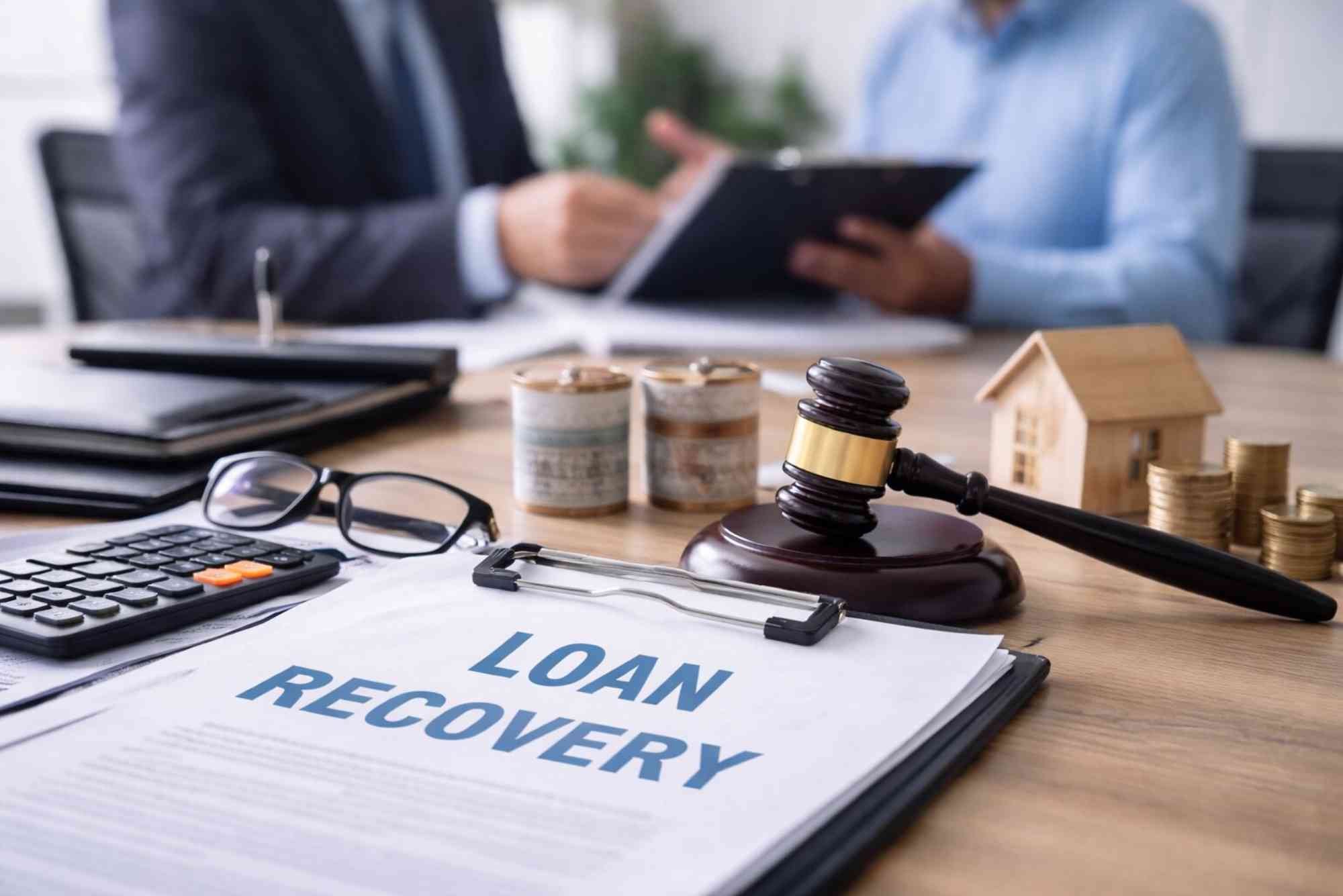
Introduction: Understanding What Is Recovery of Loans?
In the financial world, lending and borrowing are common activities that support individuals, businesses, and the overall economy. However, not every borrower is able to repay their loans on time, which leads to the concept of What Is Recovery of Loans?. This term refers to the process through which financial institutions recover unpaid or overdue loan amounts from borrowers.
Loan recovery is an essential part of the banking system because it ensures that money lent by banks or lenders is returned so that it can be reused for other borrowers. Without a proper recovery system, financial institutions would face serious losses, which would affect the entire credit system.
In simple terms, What Is Recovery of Loans? means the structured process of collecting pending dues from borrowers who have failed to meet repayment obligations. This process may involve reminders, negotiation, restructuring, or even legal action depending on the situation.
What Is Recovery of Loans in Simple Words?
To better understand What Is Recovery of Loans?, it is important to break it down into simple terms. Loan recovery means collecting the outstanding loan amount, including principal, interest, and penalties, from a borrower who has defaulted on payments.
When a borrower misses one or more payments, the lender initiates recovery procedures. These procedures start with friendly reminders and may gradually become stricter if the borrower does not respond. The main goal is to recover the money while maintaining a fair and lawful process.
Loan recovery is not just about collecting money; it is also about maintaining financial discipline and ensuring that credit systems remain stable and trustworthy.


Importance of Understanding What Is Recovery of Loans?
Understanding What Is Recovery of Loans? is important for both lenders and borrowers. For financial institutions, loan recovery ensures that their funds remain healthy and usable. It helps reduce the number of non-performing assets and keeps the banking system stable.
For borrowers, it highlights the importance of repayment responsibility. When loans are repaid on time, borrowers maintain a good credit score, which helps them access future loans easily.
Loan recovery also plays a significant role in the economy. When money is recovered and re-lent, it keeps the financial cycle active. This supports business growth, employment, and economic development.
Methods Used in Loan Recovery
There are different methods used in What Is Recovery of Loans?, depending on the situation and severity of default.
The first method is soft recovery, where lenders contact borrowers through reminders, emails, or phone calls. This is a polite approach aimed at encouraging repayment without pressure.
If this does not work, lenders may move to hard recovery methods. These include stricter communication, involvement of collection agents, or formal notices demanding repayment.
In more serious cases, legal recovery methods are used. This involves court procedures where lenders seek legal permission to recover dues, sometimes by seizing assets or freezing accounts.
Another method is loan restructuring or settlement. In this case, lenders and borrowers agree on revised repayment terms, such as reduced EMI or extended tenure, to make repayment easier.
Step-by-Step Process of Loan Recovery
The process of What Is Recovery of Loans? follows a structured approach. It begins when a borrower misses a scheduled payment. At first, the bank sends reminders to notify the borrower about the pending amount.
If the borrower still does not respond, the bank may increase communication through calls and formal notices. At this stage, the bank tries to understand the borrower’s financial situation and may offer repayment options.
If the situation does not improve, field recovery agents may be involved to directly communicate with the borrower. These agents attempt to negotiate repayment or settlement.
If all efforts fail, the lender may proceed with legal action. This is the final step where courts are involved to recover the outstanding amount.
Challenges in Loan Recovery
While discussing What Is Recovery of Loans?, it is important to understand the challenges involved. One major challenge is the financial difficulty faced by borrowers. Many people default due to job loss, business failure, or unexpected emergencies.
Another challenge is legal delay. Court cases related to loan recovery can take a long time, which delays the recovery process. Fraudulent borrowers who intentionally avoid repayment also create difficulties for lenders.
Economic downturns can also increase default rates, making recovery more complex. During such times, even strong borrowers may struggle to repay loans.
Role of Technology in Loan Recovery
Modern technology has improved the process of What Is Recovery of Loans? significantly. Banks now use digital systems to track loan repayments and identify potential defaults early.
Automated reminders through SMS, email, and mobile apps help borrowers stay updated about their dues. Artificial intelligence is also used to predict repayment behavior and identify risk patterns.
Online payment systems make it easier for borrowers to repay loans quickly. Credit scoring systems also help lenders assess risk before approving loans, reducing future defaults.
Legal Aspects of Loan Recovery
Loan recovery is governed by strict legal frameworks to ensure fairness for both lenders and borrowers. These laws vary by country but generally regulate how recovery should be conducted.
In many regions, lenders must follow legal procedures before taking action against borrowers. This may include issuing notices, approaching debt recovery tribunals, or filing court cases.
Legal systems ensure that recovery is done ethically and that borrowers are not harassed or treated unfairly during the process.
Impact of Loan Recovery on the Economy
Understanding What Is Recovery of Loans? also requires looking at its impact on the economy. A strong recovery system ensures that banks remain financially stable and can continue lending to others.
It also promotes responsible borrowing habits among individuals and businesses. When borrowers know that repayment is necessary, they manage credit more carefully.
However, if recovery practices are too strict or poorly managed, they can create stress among borrowers and affect financial stability. A balanced approach is therefore very important.
Strategies to Improve Loan Recovery
Financial institutions use several strategies to improve What Is Recovery of Loans? outcomes. One important strategy is educating borrowers about financial responsibility before issuing loans.
Another strategy is offering flexible repayment options. This helps borrowers manage financial stress and continue repayments without defaulting.
Banks also use early warning systems to identify risky accounts and take preventive action. Strong communication between lenders and borrowers further improves recovery rates.
Difference Between Loan Recovery and Debt Collection
Many people confuse loan recovery with debt collection while learning about What Is Recovery of Loans?. However, they are slightly different concepts.
Loan recovery is a broad process that includes negotiation, restructuring, reminders, and legal action. Debt collection usually refers to third-party agencies collecting overdue payments more aggressively.
Both aim to recover unpaid money, but loan recovery is generally more structured and regulated.
Real-Life Example of Loan Recovery
To better understand What Is Recovery of Loans?, consider a small business owner who takes a loan to expand operations. Due to unexpected market changes, the business suffers losses and the owner misses EMI payments.
The bank first sends reminders and then offers restructuring options. If the borrower still cannot pay, the bank may take legal steps. This example shows how loan recovery progresses step by step depending on the situation.
FAQ – What Is Recovery of Loans?
What is recovery of loans in banking?
It is the process of collecting unpaid loan amounts from borrowers who have defaulted on repayment.
What happens if a loan is not recovered?
Banks may suffer financial losses, and legal action may be taken against the borrower.
What are the methods of loan recovery?
Methods include soft recovery, hard recovery, restructuring, and legal action.
Can loan recovery affect credit score?
Yes, missed payments and defaults negatively impact credit scores.
Is loan recovery legal in all countries?
Yes, but it is regulated by financial laws to ensure fair treatment of borrowers.
Why Understanding What Is Recovery of Loans Matters
In conclusion, What Is Recovery of Loans? is a key financial process that ensures the stability of the banking system. It helps financial institutions recover their funds while encouraging borrowers to stay responsible.
From simple reminders to legal procedures, loan recovery plays a vital role in maintaining a healthy credit system. Understanding this process helps both borrowers and lenders make better financial decisions.
What Is A Good Credit Score for a Car Loan? Generally, a good credit score for a car loan is 670 or above, with higher scores getting better interest rates and approval chances from lenders. Most lenders prefer scores above 700 for lower APR, while scores below 600 may lead to higher down payments or rejection. Improving credit before applying can save money overall. It helps secure better terms
