




Introduction
The financial system of any country plays a crucial role in shaping its economic growth, and the United Arab Emirates is no exception. To understand the foundation of its strong economy, it is important to explore What Is Banking Sector in the UAE? This sector is one of the most advanced in the Middle East, supporting businesses, individuals, trade, and government operations with efficiency and stability.
In recent years, the UAE has become a global financial hub, attracting investors and multinational banks due to its strong regulatory framework, modern infrastructure, and business-friendly policies. Understanding What Is Banking Sector in the UAE? helps explain how money flows, how businesses grow, and how financial stability is maintained in the country.
This article provides a complete breakdown of the banking system, its structure, types, regulations, and future trends in a simple and practical way.
Overview of What Is Banking Sector in the UAE?
To clearly define What Is Banking Sector in the UAE?, it refers to the network of financial institutions that provide services such as deposits, loans, investments, currency exchange, and digital financial solutions within the country.
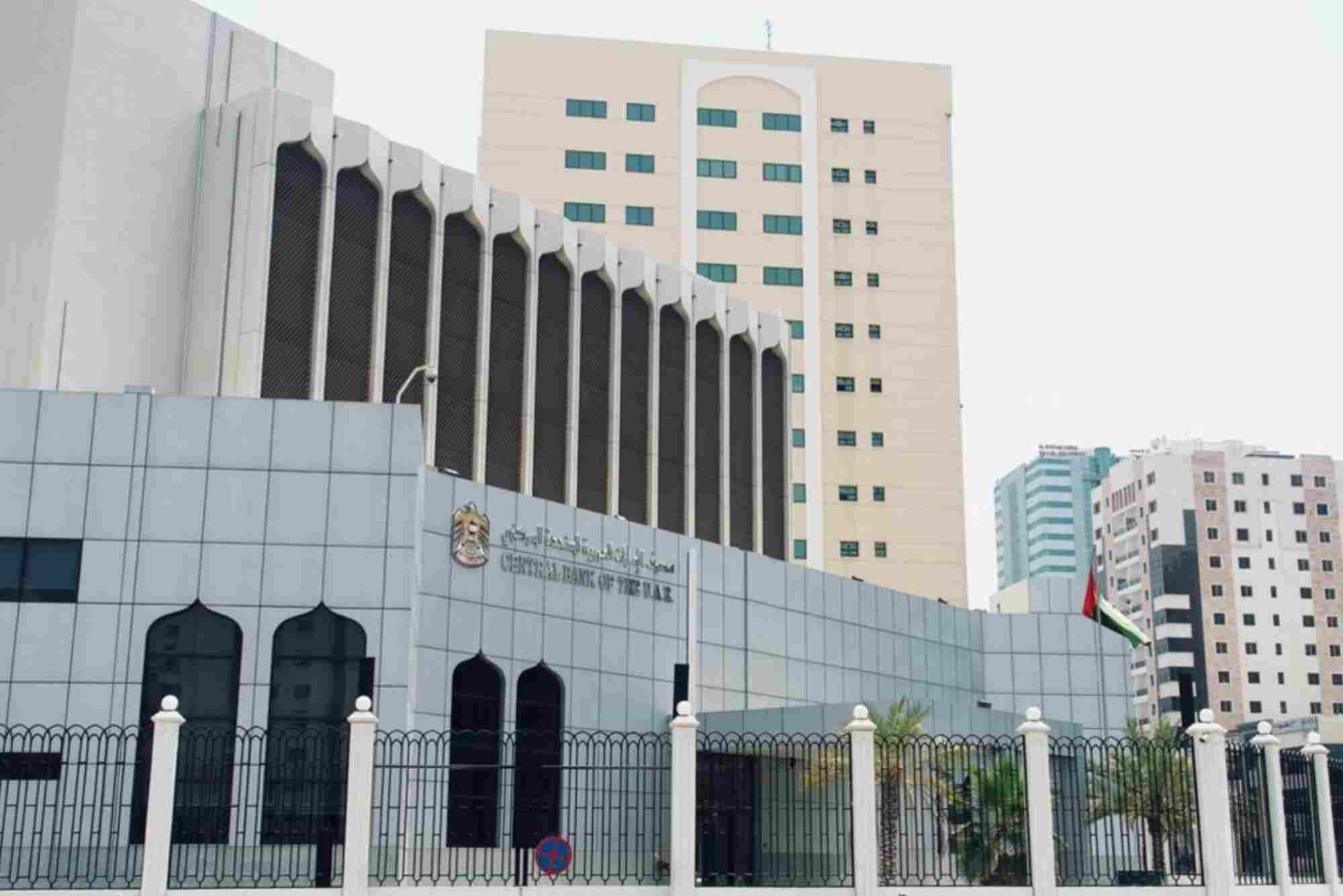
The UAE banking sector is known for its stability, transparency, and strong regulation. It operates under the supervision of the Central Bank of the UAE, ensuring that financial activities remain secure and compliant with international standards.
When we talk about What Is Banking Sector in the UAE?, we are essentially discussing a system that includes local banks, foreign banks, Islamic banks, and digital banking platforms working together to support the economy.


Structure of the Banking Sector in the UAE
Understanding What Is Banking Sector in the UAE? also requires knowing its structure. The system is well-organized and divided into several key categories.
Central Bank of the UAE
At the top of the structure is the Central Bank of the UAE, which regulates and supervises all banking activities. It ensures financial stability, controls inflation, and manages monetary policy.
Commercial Banks
Commercial banks are the most common type of banks in the UAE. They provide services such as savings accounts, personal loans, business financing, and credit cards.
Islamic Banks
Islamic banks operate according to Sharia principles, meaning they avoid interest-based transactions. Instead, they use profit-sharing models and ethical financing structures.
Investment Banks
Investment banks focus on large-scale financial activities such as mergers, acquisitions, asset management, and corporate financing.
Together, these institutions help define What Is Banking Sector in the UAE? as a diverse and highly structured financial system.
Role of Banking Sector in UAE Economy
The banking system plays a vital role in supporting the UAE’s economic development. When understanding What Is Banking Sector in the UAE?, it is important to look at its economic impact.
- Supports trade and commerce
- Provides funding for businesses and startups
- Encourages foreign investment
- Facilitates international transactions
- Strengthens economic stability
Without a strong banking system, the UAE’s position as a global business hub would not be possible.
Types of Banks in the UAE
A complete understanding of What Is Banking Sector in the UAE? includes knowing the different types of banks operating in the country.
Local Banks
These banks are based in the UAE and serve both individuals and businesses. They are the backbone of the financial system.
Foreign Banks
Many international banks operate in the UAE, offering global financial services and connecting the country to international markets.
Islamic Banks
As mentioned earlier, Islamic banks follow Sharia principles and are very popular in the region due to cultural and religious preferences.
Digital Banks
With the rise of technology, digital-only banks are becoming more common, offering mobile-first banking services without physical branches.
Each of these types contributes to shaping What Is Banking Sector in the UAE? in a modern and diverse way.
Regulations and Central Bank Supervision
A key part of What Is Banking Sector in the UAE? is its strong regulatory framework. The Central Bank of the UAE ensures that all financial institutions follow strict rules.
Key regulatory functions include:
- Monitoring banking operations
- Preventing financial fraud
- Ensuring compliance with international standards
- Managing monetary policy
- Protecting customer rights
This strong regulatory system is one of the reasons why the UAE banking sector is trusted globally.
Digital Transformation in UAE Banking
In recent years, digital transformation has reshaped What Is Banking Sector in the UAE? completely.
Banks are now using advanced technologies such as:
- Mobile banking apps
- Artificial Intelligence (AI)
- Blockchain technology
- Contactless payments
- Online investment platforms
Customers can now perform almost all banking activities without visiting a branch. This shift has made banking faster, safer, and more convenient.
The UAE is also investing heavily in fintech innovation, making its banking sector one of the most advanced in the world.
Presence of Foreign Banks in the UAE
Another important aspect of What Is Banking Sector in the UAE? is the presence of international banks. The UAE allows foreign banks to operate, which strengthens its global financial connections.
These banks bring:
- International expertise
- Global investment opportunities
- Cross-border financial services
- Increased competition and innovation
This diversity makes the UAE banking system more dynamic and globally integrated.
How the Banking Sector Supports Businesses
Businesses are heavily dependent on the banking system. Understanding What Is Banking Sector in the UAE? also means understanding its role in business growth.
Banks provide:
- Business loans and credit facilities
- Trade finance solutions
- Payroll management services
- Investment advisory
- Cash flow support
From small startups to large corporations, every business relies on banking services to operate smoothly in the UAE.
Challenges Facing the Banking Sector
While the system is strong, What Is Banking Sector in the UAE? also includes understanding its challenges:
- Cybersecurity threats
- Global economic fluctuations
- Regulatory compliance pressure
- Competition from fintech startups
- Need for continuous digital innovation
Despite these challenges, the sector continues to evolve and maintain stability.
Future of Banking Sector in the UAE
The future of What Is Banking Sector in the UAE? looks highly promising. The country is investing in innovation, sustainability, and digital finance.
Future trends include:
- Expansion of AI-driven banking
- Increased use of blockchain
- Growth of cashless society
- More personalized financial services
- Stronger fintech collaboration
The UAE aims to become one of the top global financial centers, and its banking sector will play a key role in achieving this goal.
In summary, What Is Banking Sector in the UAE? can be understood as a highly advanced, well-regulated, and diversified financial system that supports every aspect of the country’s economy. From individuals to multinational corporations, everyone depends on this sector for financial stability and growth.
With strong regulation, digital innovation, and global connectivity, the UAE banking sector continues to grow rapidly and maintain its position as a leading financial hub.
FAQs
What is the banking sector in the UAE?
The banking sector in the UAE is a system of financial institutions that provide services like deposits, loans, investments, and digital banking under Central Bank regulation.
How many types of banks are in the UAE?
There are mainly four types: commercial banks, Islamic banks, investment banks, and foreign banks.
Is banking in the UAE safe?
Yes, the UAE banking sector is highly regulated by the Central Bank, making it one of the safest financial systems in the region.
What is the role of Islamic banks in the UAE?
Islamic banks provide financial services based on Sharia law, avoiding interest-based transactions and focusing on ethical financing.
How is digital banking changing the UAE banking sector?
Digital banking is making services faster and more convenient through mobile apps, AI, and online platforms, reducing the need for physical branches.
Why is the UAE a global banking hub?
Due to its strong regulations, strategic location, tax advantages, and advanced infrastructure, the UAE attracts global banks and investors.
What Happens After Mortgage Offer?: After receiving a mortgage offer, the next steps include reviewing all terms carefully, checking interest rates, and ensuring conditions are met. Your solicitor will carry out legal checks, valuation is confirmed, and final approval leads to exchange and completion of the property purchase process. It is important to respond quickly and prepare documents. today.