

Introduction
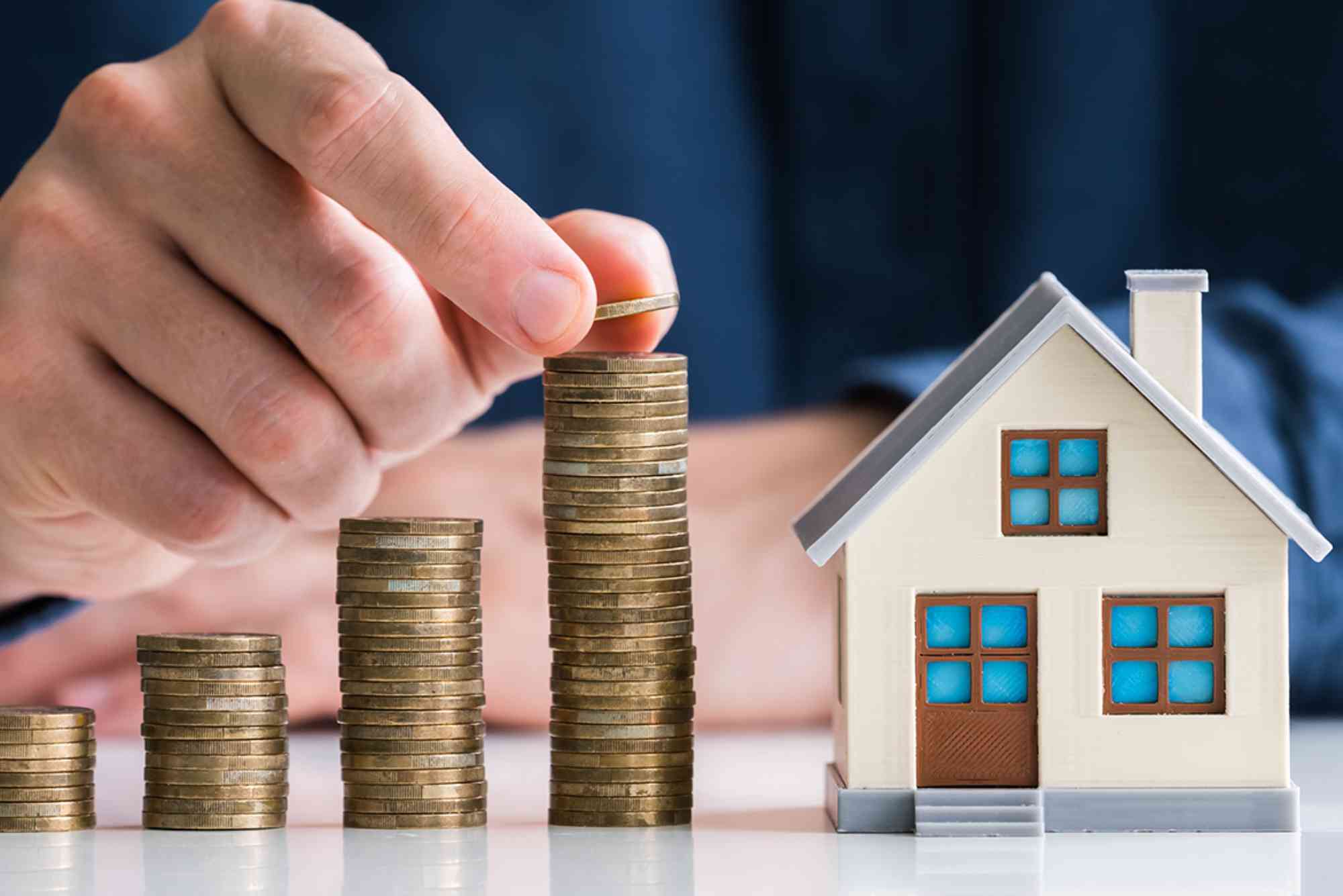
Deciding Should I Pay Off My House or Invest? is one of the most important financial choices many homeowners face. It can shape your long-term wealth, financial freedom, and even your peace of mind. Some people believe clearing a mortgage early brings security, while others argue that investing money creates greater wealth over time.
The truth is that there is no one-size-fits-all answer to Should I Pay Off My House or Invest? It depends on interest rates, income stability, risk tolerance, and financial goals. For some households, paying off a home early reduces stress and guarantees stability. For others, investing the extra money in stocks, retirement accounts, or businesses can lead to higher returns.
Understanding Should I Pay Off My House or Invest?
When asking Should I Pay Off My House or Invest?, you are really comparing two financial priorities: debt elimination versus wealth building. A mortgage is typically long-term debt with relatively lower interest rates compared to credit cards or personal loans. On the other hand, investing allows your money to grow through compound returns over time.
To answer Should I Pay Off My House or Invest?, you need to understand opportunity cost. Every extra dollar used to pay off your mortgage early is a dollar not invested elsewhere. Likewise, every dollar invested is a dollar not reducing debt.
This trade-off is the foundation of the entire decision.
Benefits of Paying Off Your House Early
When evaluating Should I Pay Off My House or Invest?, many people prefer paying off their home first because of emotional and financial security.


Guaranteed Return on Savings
Paying off a mortgage early is like earning a risk-free return equal to your interest rate. If your mortgage rate is 5%, then every payment saves you 5% interest.
Financial Peace of Mind
Owning your home outright removes monthly pressure. For many families, this emotional benefit outweighs potential investment gains.
Reduced Financial Risk
Once your house is paid off, you are no longer exposed to foreclosure risk due to job loss or income instability. This is a key factor in Should I Pay Off My House or Invest?
Lower Monthly Expenses
Without a mortgage, your cost of living drops significantly. This gives you flexibility in career choices and retirement planning.
Retirement Stability
A paid-off home reduces retirement expenses, making it easier to live on fixed income later.
However, while these benefits are strong, they are not the only side of Should I Pay Off My House or Invest?
Benefits of Investing Instead of Paying Off a Mortgage
The other side of Should I Pay Off My House or Invest? focuses on long-term wealth creation through investing.
Higher Potential Returns
Historically, stock markets have returned 7–10% annually over the long term. If your mortgage rate is lower than this, investing may grow your wealth faster.
Power of Compounding
Investing early allows your money to grow exponentially over time. This is a major argument in Should I Pay Off My House or Invest?
Liquidity and Flexibility
Money invested in stocks, mutual funds, or retirement accounts can be accessed if needed. Home equity is less liquid.
Tax Advantages
Certain investments, like retirement accounts, offer tax benefits that increase overall returns.
Diversification
Putting all extra money into a home concentrates your wealth in one asset. Investing spreads risk across multiple assets.
These advantages show why many financial advisors lean toward investing in the debate of Should I Pay Off My House or Invest?
Key Financial Factors to Consider
To properly answer Should I Pay Off My House or Invest?, you must evaluate your personal financial situation.
Mortgage Interest Rate
If your interest rate is high, paying off your home may be better. If it is low, investing could outperform.
Investment Returns
Consider realistic long-term returns, not short-term gains. This is essential in deciding Should I Pay Off My House or Invest?
Job Stability
Stable income allows you to take more investment risk. Unstable income may favor debt reduction.
Risk Tolerance
Some people prefer guaranteed savings, while others accept market volatility.
Emergency Savings
Before deciding Should I Pay Off My House or Invest?, ensure you have enough cash reserves.
Retirement Timeline
Shorter timelines may favor paying off the house, while longer timelines favor investing.
Hybrid Strategy: The Balanced Approach
A growing number of financial experts suggest a middle path for Should I Pay Off My House or Invest?
Split Your Extra Income
Instead of choosing one, divide extra money between mortgage payments and investments.
Prioritize High-Interest Debt First
If your mortgage rate is higher than expected investment returns, focus on repayment.
Invest While Paying Slowly
This allows you to build wealth and reduce debt at the same time.
Adjust Over Time
As your income grows or market conditions change, rebalance your strategy.
This approach reduces stress while still maximizing financial growth in Should I Pay Off My House or Invest?
Common Mistakes People Make
Many people struggle with Should I Pay Off My House or Invest? because of emotional or rushed decisions.
Ignoring Interest Rates
Failing to compare mortgage rates with investment returns leads to poor decisions.
Overinvesting in One Area
Putting all money into either housing or stocks increases risk.
Not Considering Liquidity
Home equity is not easily accessible in emergencies.
Emotional Decision Making
Fear or pressure often leads to suboptimal choices in Should I Pay Off My House or Invest?
Skipping Retirement Planning
Some people focus only on housing and forget long-term retirement needs.
Real-Life Perspective
In real financial planning, the answer to Should I Pay Off My House or Invest? depends heavily on individual lifestyle.
A young professional with stable income may benefit more from investing early. Meanwhile, a near-retirement homeowner may prefer eliminating debt for stability. Financial success is not about choosing one extreme. It is about aligning decisions with personal goals and risk tolerance.
Conclusion
The decision of Should I Pay Off My House or Invest? is not simple, but it becomes manageable when broken into clear factors. Paying off your home offers security, peace of mind, and guaranteed savings. Investing offers growth, flexibility, and long-term wealth creation.
Managing debt efficiently is essential for financial freedom. By creating a clear budget, reducing unnecessary expenses, and focusing on high-interest loans first, you can accelerate repayment. For a detailed guide, explore our internal resource on How to Pay Off Loans Quickly to learn proven strategies that help you become debt-free faster and improve your financial stability. Follow simple steps and stay consistent to achieve long-term debt freedom.
FAQs
Should I pay off my house or invest first?
The answer to Should I Pay Off My House or Invest? depends on your mortgage interest rate and investment returns. If your mortgage rate is high, paying it off may be better. If it is low, investing can often grow your money faster over time.
Is it smarter to pay off a mortgage or invest in stocks?
When deciding Should I Pay Off My House or Invest?, stocks usually offer higher long-term returns. However, paying off a mortgage provides guaranteed savings and financial peace of mind, which many people value more.
What is the biggest advantage of paying off a house early?
The main benefit in Should I Pay Off My House or Invest? decisions is financial security. Once your home is paid off, you eliminate monthly payments and reduce long-term financial pressure.
Can I do both paying off my mortgage and investing?
Yes, many experts recommend a balanced approach to Should I Pay Off My House or Invest? You can split extra money between investments and mortgage payments to reduce risk and build wealth simultaneously.
Does paying off a mortgage hurt your credit score?
In the context of Should I Pay Off My House or Invest?, paying off your mortgage may slightly change your credit mix, but it usually does not harm your long-term financial health.