




Understanding whether Must I have health insurance is a necessary step in today’s world of rising medical costs and unpredictable health risks. Health insurance is no longer just a financial product; it has become a core part of personal security and long-term planning. Many people ask this question because they are unsure if it is legally required, financially practical, or simply optional.
The answer to Must I have health insurance depends on several factors including where you live, your income level, your employment situation, and your health condition. In some countries, insurance is mandatory by law, while in others it is optional but strongly encouraged because of the high cost of healthcare services.
Health insurance works as a protection system that helps cover medical expenses such as hospital visits, surgeries, medicines, and emergency treatments. Without it, even a simple hospital admission can lead to serious financial pressure. This is why the question Must I have health insurance is not just about law but also about financial safety and peace of mind.
Why Must I Have Health Insurance Matters in Modern Life
When people think about Must I have health insurance, they often focus on monthly costs. However, the real importance lies in protection against unexpected medical expenses. Healthcare systems around the world are becoming more expensive, and even minor treatments can cost significant amounts without insurance coverage.
Health insurance ensures that individuals can access medical care without delay. Many people without insurance postpone treatment due to cost concerns, which often results in more serious health problems later. This makes Must I have health insurance an important question for long-term health planning rather than just short-term budgeting.
Legal Reality Behind Must I Have Health Insurance
Whether or not you are required to have insurance depends on your country’s healthcare system. In some regions, laws require citizens or residents to have coverage or contribute to a public healthcare fund. In other systems, insurance is optional but highly recommended.


In countries with public healthcare, basic services may be available without direct payment, but private insurance is still commonly used to access faster treatment or better hospital facilities. This means the question Must I have health insurance can have different legal answers depending on your location and circumstances.
Financial Importance of Must I Have Health Insurance
From a financial perspective, Must I have health insurance becomes an even more important question. Medical emergencies are unpredictable and often extremely expensive. Without insurance, individuals may have to pay large hospital bills out of pocket, which can create long-term debt or financial instability.
Health insurance helps distribute these costs over time through regular payments called premiums. This system makes healthcare more affordable and predictable. Even people who rarely visit doctors still benefit because insurance protects them in case of emergencies, accidents, or sudden illnesses.
Health Perspective on Must I Have Health Insurance
From a health standpoint, having insurance improves access to regular medical care. People with insurance are more likely to visit doctors for preventive checkups, screenings, and early diagnosis. This helps detect diseases at an early stage when they are easier and cheaper to treat.
Without insurance, many individuals delay medical visits until symptoms become severe. This delay can lead to more complicated treatments and higher risks. Therefore, Must I have health insurance is closely connected to overall health outcomes, not just financial protection.
How Health Insurance Actually Works
Health insurance operates through a system where you pay a regular premium to an insurance provider. In return, the provider covers part or all of your medical expenses depending on your plan. This may include hospital stays, doctor consultations, surgeries, and prescription medications.
When people ask Must I have health insurance, they are often trying to understand whether the cost of premiums is worth the benefits. In most cases, even one major medical emergency can cost far more than years of insurance payments, making coverage financially beneficial in the long run.
Different Situations That Affect Must I Have Health Insurance
The need for insurance is not the same for everyone. For example, families with children often require more comprehensive coverage because children may need frequent medical attention. Elderly individuals also require more healthcare services, making insurance more important for them.
On the other hand, young and healthy individuals sometimes feel they do not need insurance. However, accidents and unexpected illnesses can happen at any age. This uncertainty is why the question Must I have health insurance remains relevant for almost everyone.
Cost vs Benefit Analysis of Must I Have Health Insurance
One of the main reasons people hesitate about insurance is cost. Monthly premiums can feel like an unnecessary expense when a person is healthy. However, when comparing costs, it becomes clear that insurance is usually far cheaper than paying for medical treatment directly.
For example, emergency surgery, hospital stays, or long-term treatment for chronic diseases can cost thousands or even tens of thousands. Insurance spreads this risk, making healthcare more affordable. This financial protection is a key reason why Must I have health insurance is often answered with a strong yes by experts.
Risks of Not Having Health Insurance
Choosing to go without insurance can lead to serious consequences. The most obvious risk is high medical bills during emergencies. Without coverage, individuals may have to delay treatment or avoid medical care due to cost concerns.
This can result in worsening health conditions and even long-term financial stress. In some cases, unpaid medical bills can affect credit scores or lead to legal complications depending on the country. This makes the question Must I have health insurance a critical decision for financial and health stability.
Expert Perspective on Must I Have Health Insurance
Healthcare professionals and financial experts generally agree that having insurance is a smart decision. It provides access to better healthcare services, reduces stress during emergencies, and protects individuals from unexpected financial burdens.
Even in systems where insurance is not legally required, experts still recommend it because medical emergencies are unpredictable. This reinforces the importance of carefully considering Must I have health insurance based on risk rather than just legal obligation.
Must I Have Health Insurance Explained
After reviewing legal, financial, and health perspectives, the answer to Must I have health insurance becomes clear for most people. While it may not always be legally required, it is almost always financially and medically beneficial. Health insurance provides protection, stability, and access to essential healthcare services that can make a major difference in both emergencies and long-term health.
Choosing whether to get insurance is ultimately a personal decision, but considering the risks of medical costs and unpredictable health issues, having coverage is often the safer and smarter choice. If you are still unsure about Must I have health insurance, the best step is to evaluate your financial situation and healthcare needs carefully before making a final decision.
Frequently Asked Questions (FAQ)
1. Do I legally need health insurance everywhere?
No, it depends on your country. Some require it by law, while others only recommend it.
2. What happens if I don’t have health insurance?
You may face high medical bills and limited access to healthcare services.
3. Is health insurance worth it if I am healthy?
Yes, because accidents and emergencies can happen unexpectedly.
4. Can I buy health insurance at any age?
Most providers allow coverage at different ages, but premiums may vary.
5. What is the cheapest type of health insurance?
Basic plans are usually the most affordable but offer limited coverage.
6. Does employer health insurance cover everything?
Not always. It depends on the policy and company benefits.
7. Can I survive without health insurance?
Technically yes, but financially it is risky due to high medical costs.
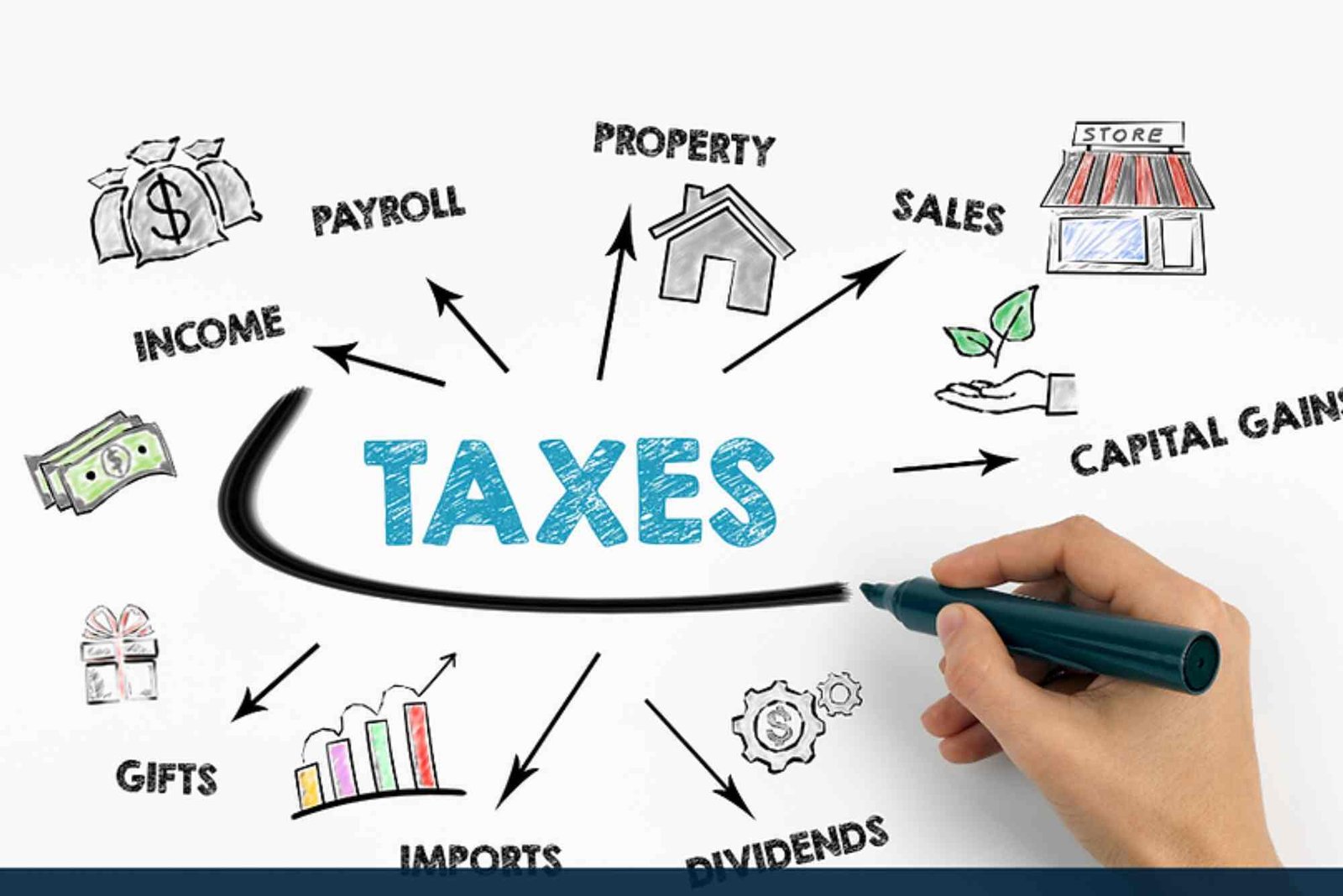
When does the Tax Year Start and End? The tax year is the 12-month period used by governments to assess and collect income tax. In most countries it begins on January 1 or April 6 and ends after one year. For example, the UK tax year runs from April 6 to April 5, while the US tax year follows the calendar year ending on December 31. Rules vary by country and may affect filing deadlines and refunds