



Introduction
Insurance has become a common financial tool worldwide. It promises protection against unexpected losses, whether related to health, property, or life. Yet, for Muslims seeking to align their financial decisions with Islamic principles, a critical question arises: Is insurance haram in Islam? This question is not only about financial legality but also about moral and religious compliance. Islamic teachings emphasize fairness, honesty, and avoidance of prohibited practices such as riba (interest), gharar (excessive uncertainty), and maysir (gambling). Understanding whether conventional insurance aligns with these principles is essential for Muslims aiming to manage risk responsibly while maintaining faith.
Understanding Insurance and Its Structure
Insurance is a contract where a person pays a premium to an insurer, who promises financial protection against specific risks. The two main types are life and general insurance. Life insurance provides financial support to beneficiaries upon death, while general insurance covers assets, health, or liability. Conventional insurance contracts often include interest-based elements, speculative agreements, and uncertainty about future outcomes. These factors make it necessary to evaluate insurance from an Islamic perspective.
Riba (Interest) in Conventional Insurance
One key principle in Islamic finance is the prohibition of riba. Conventional insurance companies may invest premiums in interest-bearing accounts or bonds. These interest-based gains conflict with Shariah law. Since policyholders indirectly benefit from interest, some scholars consider conventional insurance haram. Avoiding riba is central in Islam, as it promotes fairness and discourages exploitation.
Gharar (Uncertainty) in Insurance Contracts
Islamic law also prohibits gharar, which involves excessive uncertainty or ambiguity in contracts. Conventional insurance often has unclear terms regarding payouts, conditions, or claim approval. The lack of transparency and the speculative nature of payouts can classify insurance contracts as gharar. Islam encourages clear, transparent agreements to ensure justice and prevent disputes.
Maysir (Gambling) Aspect
Insurance can resemble maysir because policyholders pay premiums hoping for future compensation, which is uncertain. The speculative aspect of gambling is present when one benefits only if misfortune strikes. This gambling element is considered haram under Shariah law because it involves risk without productive work or mutual benefit.
Opinions of Islamic Scholars
Islamic scholars have debated the permissibility of insurance for decades. Some scholars argue that conventional insurance is haram due to riba, gharar, and maysir. They maintain that paying for uncertain future events violates Shariah principles. Others, however, believe insurance is permissible if it serves as a social safety net and avoids harm. This latter view is more lenient in modern contexts, emphasizing necessity and mutual protection.


Fatwas and Consensus
Various fatwas from recognized Islamic institutions indicate differing opinions. The Islamic Fiqh Academy declared conventional insurance generally haram due to uncertainty and interest involvement. In contrast, Takaful, a Shariah-compliant alternative, is widely endorsed. Takaful operates on principles of shared responsibility, cooperation, and mutual aid. Participants contribute to a collective fund used to assist members in need, avoiding interest, speculation, and gambling.
Takaful: A Shariah-Compliant Alternative
Takaful, meaning mutual guarantee, offers an ethical solution. It is based on cooperation, transparency, and shared risk. Policyholders contribute to a pool, and any claims are paid from this fund. Surplus funds may be distributed back to participants or reinvested ethically. Takaful eliminates interest-based investments, speculative gains, and gambling elements. This system allows Muslims to protect themselves financially without violating Islamic principles.
How Takaful Differs from Conventional Insurance
Unlike conventional insurance, Takaful:
- Avoids interest and invests in Shariah-compliant avenues.
- Shares risk collectively instead of transferring it to a company.
- Operates with clear contracts to prevent uncertainty.
- Encourages cooperation and ethical responsibility among participants.
Takaful is increasingly available worldwide, making it a practical option for Muslims seeking halal financial protection.
Ethical Considerations
Beyond legal rulings, the debate about insurance involves ethics. Islam promotes ethical finance, emphasizing justice, transparency, and mutual aid. Conventional insurance may involve profit-driven motives, which can conflict with these values. By contrast, Takaful emphasizes community welfare and shared responsibility. Choosing halal insurance aligns personal financial protection with religious and ethical values.
Real-Life Implications for Muslims
Understanding whether insurance is haram affects daily financial decisions. Muslims often need health coverage, retirement planning, and property protection. Using conventional insurance may risk non-compliance with Shariah. Opting for Takaful or Shariah-compliant alternatives ensures religious adherence while providing necessary security. Consulting knowledgeable scholars or Islamic financial advisors can help individuals make informed decisions.
Common Types of Insurance Muslims Consider
- Health insurance: critical for medical emergencies.
- Life insurance: protects dependents after death.
- Property insurance: covers homes, vehicles, and valuables.
- Business insurance: mitigates financial risks in trade.
Muslims should ensure these policies follow halal principles, avoiding interest-bearing premiums or ambiguous terms.
So, is insurance haram in Islam? Conventional insurance often conflicts with Shariah principles due to riba, gharar, and maysir. However, Shariah-compliant alternatives like Takaful provide an ethical and permissible solution. Muslims can safeguard themselves financially without compromising religious beliefs. Choosing halal insurance demonstrates responsible financial planning aligned with faith. For anyone seeking guidance, consulting Islamic finance experts and reviewing policy terms carefully ensures compliance and peace of mind.
Take action today: explore Takaful options to secure your financial future while adhering to Islamic principles. Protect your family and assets the halal way.
Looking for reliable financial solutions and expert advice? At Financer.ae, we provide comprehensive services to help you manage your investments, savings, and business finances effectively. Explore our platform for smart financial planning, latest updates, and tools tailored to your needs. Visit our homepage today to take control of your financial future with confidence
FAQ
Is conventional insurance allowed in Islam?
Most scholars consider conventional insurance haram due to interest, uncertainty, and gambling aspects.
What is Takaful insurance?
Takaful is a Shariah-compliant system where participants share risks collectively, avoiding interest and speculation.
Can Muslims use health insurance?
Yes, if the policy is Shariah-compliant or cooperative, like Takaful, it is permissible.
Why is insurance considered gharar in Islam?
Because conventional insurance involves uncertainty about payouts, contract terms, and eligibility, which Islam forbids.
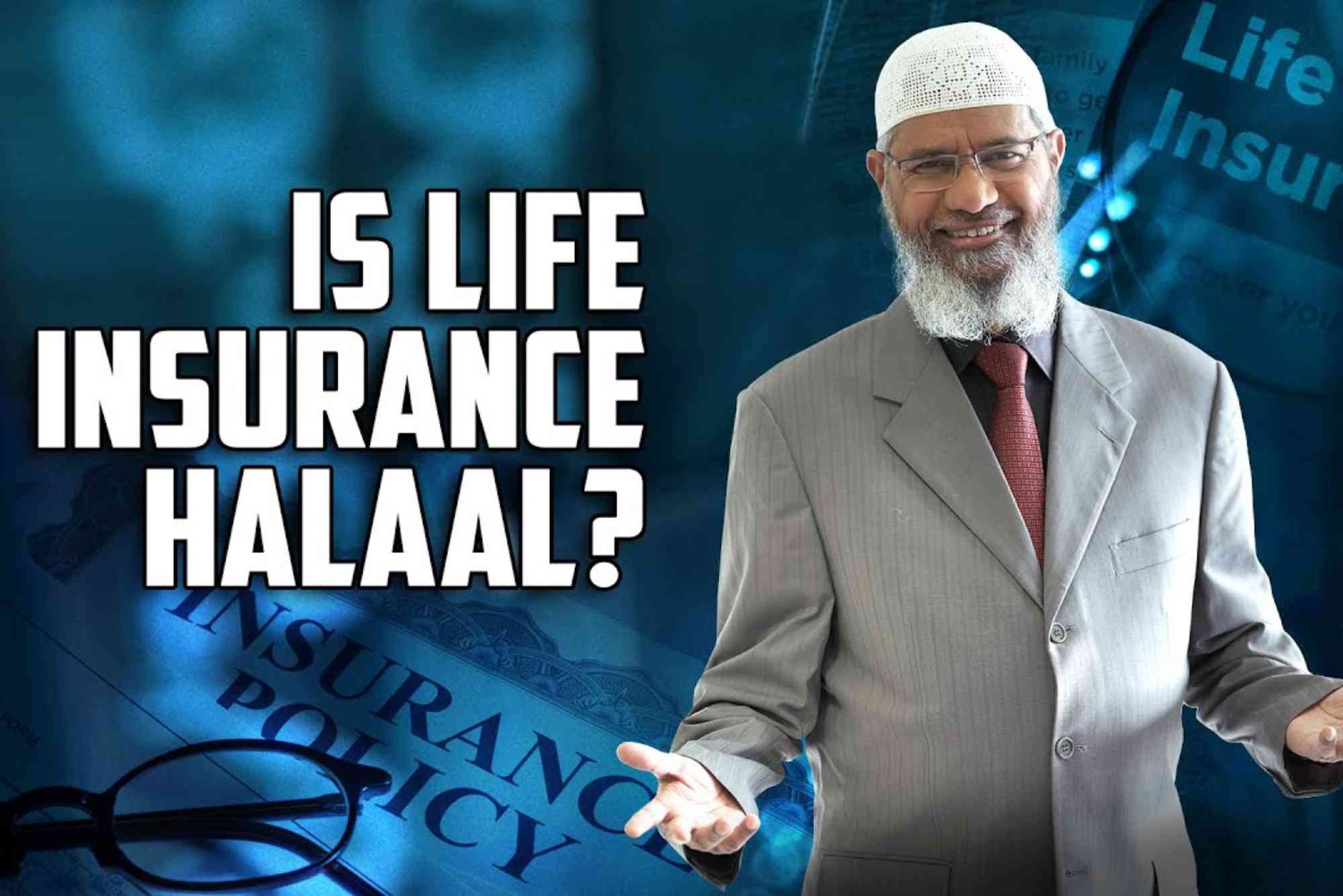
Is life insurance haram in Islam?
Conventional life insurance may be haram due to interest and uncertainty, but Takaful life insurance is permissible.
How can Muslims choose halal insurance?
Look for Takaful providers, ensure Shariah-compliant investments, and verify transparent contracts.