




Introduction
Debt can feel overwhelming, especially when monthly payments consume a large part of your income. However, learning how to pay off loans quickly can improve your financial freedom and reduce stress. Whether you have personal loans, student loans, car financing, or credit card debt, the right strategy can help you clear balances faster and save money on interest.
Many people spend years making minimum payments without realizing how much extra interest they pay over time. Fortunately, with proper planning and consistent habits, you can shorten your repayment period significantly. The process does not require extreme sacrifices. Instead, it focuses on smarter financial decisions and better money management.
Understand Your Current Loan Situation
Before creating a repayment plan, you need a complete understanding of your debt. Many borrowers avoid checking balances because it creates anxiety. Yet, clarity is the first step toward financial control. Start by listing every loan you owe. Include the total balance, interest rate, minimum payment, and repayment term. This simple exercise helps you identify which debts cost the most over time.
High-interest loans usually drain your finances faster. Credit cards and personal loans often carry higher rates than student or auto loans. Once you identify expensive debt, you can prioritize repayment effectively. You should also calculate your total monthly obligations. This gives you a realistic view of your finances and helps you create a workable budget.
Create a Budget That Supports Fast Repayment
A strong budget is essential if you want to know how to pay off loans quickly. Without controlling spending, extra debt payments become difficult. Begin by tracking your monthly expenses. Separate needs from wants. Essentials include housing, groceries, transportation, and utilities. Non-essential spending often includes dining out, subscriptions, entertainment, and impulse shopping. Small spending cuts can create significant savings over time. For example, reducing restaurant visits or canceling unused subscriptions may free enough money for additional loan payments.
The key is consistency. Even an extra amount added monthly can shorten repayment periods dramatically. Automating savings and loan payments can also improve discipline. When payments happen automatically, you reduce the temptation to spend that money elsewhere.


Pay More Than the Minimum Amount
One of the fastest ways to eliminate debt is by paying more than the required minimum payment. Minimum payments mainly cover interest, which slows progress. When you add extra money toward the principal balance, you reduce future interest charges. This means more of your payment goes directly toward eliminating debt.
For example, adding a small extra payment every month can save years of repayment time. It also reduces the total interest paid over the life of the loan. If possible, make biweekly payments instead of monthly payments. This method results in one extra payment each year, helping you reduce balances faster without major financial strain.
Use the Debt Snowball Method
Once the smallest balance is cleared, you move to the next smallest loan. The money previously used for the first debt gets added to the next payment. This creates a psychological boost because you see quick progress early in the process. Many people stay motivated because they experience frequent wins.
Although this strategy may not always save the most interest, it helps people remain committed to repayment goals. Motivation is important when learning how to pay off loans quickly because long repayment periods can feel discouraging without visible progress.
Use the Debt Avalanche Method
The debt avalanche method focuses on saving the most money in interest. Instead of targeting the smallest balance, you prioritize the highest-interest loan first. You continue minimum payments on all debts while putting extra funds toward the loan with the highest rate. After paying it off, you attack the next highest-interest balance.
This strategy often reduces the total repayment cost faster than the snowball method. It is especially effective for high-interest credit card debt. However, some borrowers find it less motivating because high-interest balances may take longer to eliminate. Choosing between avalanche and snowball depends on your personality and financial goals. Both methods are effective when applied consistently.
Increase Your Monthly Income
Cutting expenses helps, but increasing income can speed up loan repayment even more. Additional earnings create more room for aggressive payments without affecting essential living expenses. Freelancing, part-time work, tutoring, online selling, and remote gigs can generate extra cash. Many people also earn money through weekend work or digital services.
You can dedicate all side income directly to loan balances. This strategy accelerates repayment significantly because every extra payment reduces principal faster. Selling unused items is another practical option. Old electronics, furniture, clothing, or collectibles may provide quick cash for debt reduction.
Refinance or Consolidate Your Loans
Refinancing may help if your current loan has a high interest rate. A lower interest rate reduces monthly costs and allows more money to go toward the principal balance. Loan consolidation combines multiple debts into one payment. This can simplify repayment and reduce financial stress.
However, refinancing works best for borrowers with good credit scores. Before refinancing, compare fees, repayment terms, and overall costs carefully. Some borrowers extend repayment periods during refinancing, which lowers monthly payments but increases total interest paid over time. Focus on shorter terms if your goal is faster repayment.
Avoid Taking on New Debt
One major mistake people make while trying to repay loans is accumulating additional debt. New balances can erase progress and increase financial pressure. void unnecessary purchases while focusing on repayment goals. Using credit responsibly becomes essential during this period.
If possible, stop using credit cards temporarily. Paying with cash or debit cards helps control spending habits more effectively. Building emergency savings can also prevent new borrowing. Even a small emergency fund reduces the risk of relying on loans during unexpected situations. Financial discipline plays a major role in long-term success.
Use Windfalls Wisely
Unexpected money can become a powerful tool for debt repayment. Tax refunds, work bonuses, gifts, or inheritance funds provide opportunities to reduce balances quickly. Many people spend windfalls immediately because the money feels extra. However, applying these funds toward loans can save substantial interest costs.
Even one large payment can reduce repayment time dramatically. It also creates momentum and motivates you to continue aggressive repayment efforts. While enjoying a small portion of unexpected money is reasonable, prioritizing debt reduction often creates better long-term financial results.
Stay Motivated During the Process
Paying off loans requires patience and discipline. Motivation may decrease if progress feels slow. Therefore, tracking milestones is important. Celebrate small achievements without overspending. For example, reward yourself after paying off a specific percentage of debt.
Visual progress charts can also help maintain focus. Seeing balances shrink creates encouragement and reminds you why the effort matters. Remember that financial freedom brings long-term benefits. Less debt means reduced stress, improved savings opportunities, and greater financial flexibility. Learning how to pay off loans quickly is not only about numbers. It is also about changing habits and building a healthier financial future.
Build Better Financial Habits for the Future
Once your loans are paid off, maintaining strong financial habits prevents future debt problems. Many borrowers repeat cycles because they return to poor spending patterns after becoming debt-free. Start building savings immediately after eliminating debt. Emergency funds provide protection against unexpected expenses.
You should also continue budgeting regularly. Tracking spending helps maintain control over finances and prevents overspending. Investing in financial education can further strengthen money management skills. Understanding interest, budgeting, and investing helps you make smarter financial decisions long term.
Debt freedom creates opportunities to build wealth instead of paying lenders.
Common Mistakes That Slow Loan Repayment
Many borrowers unknowingly delay repayment progress through avoidable mistakes. Ignoring these issues can increase interest costs significantly. Paying only minimum amounts is one of the most common problems. This approach keeps balances active for years.
Another mistake involves skipping payments. Late fees and penalty interest rates make loans harder to manage. Some people also fail to adjust spending habits while repaying debt. Continuing unnecessary purchases slows financial progress. Finally, many borrowers avoid reviewing loan terms regularly. Better refinancing opportunities may become available over time. Awareness of these mistakes can help you stay on track and achieve debt freedom faster.
FAQs
What is the fastest way to pay off a loan?
The fastest way is to make payments larger than the minimum requirement consistently. Combining budgeting, extra income, and high-interest debt prioritization speeds up repayment significantly.
Should I pay off small loans first or high-interest loans first?
Small loans first works well for motivation through the debt snowball method. High-interest loans first saves more money through the debt avalanche method.
Can refinancing help me pay off loans faster?
Yes, refinancing can lower interest rates and reduce repayment costs. However, choose shorter repayment terms to maximize savings.
How can I pay off loans quickly with low income?
Focus on budgeting carefully, reducing unnecessary expenses, increasing side income, and making consistent extra payments whenever possible.
Is it better to save money or pay off debt first?
A small emergency fund should come first. After that, aggressive debt repayment often provides better financial benefits than holding excess cash savings.
Conclusion
Understanding how to pay off loans quickly can transform your financial future. The process requires discipline, patience, and consistent effort, but the rewards are worth it. By creating a budget, increasing payments, reducing unnecessary expenses, and using smart repayment strategies, you can eliminate debt faster than expected.
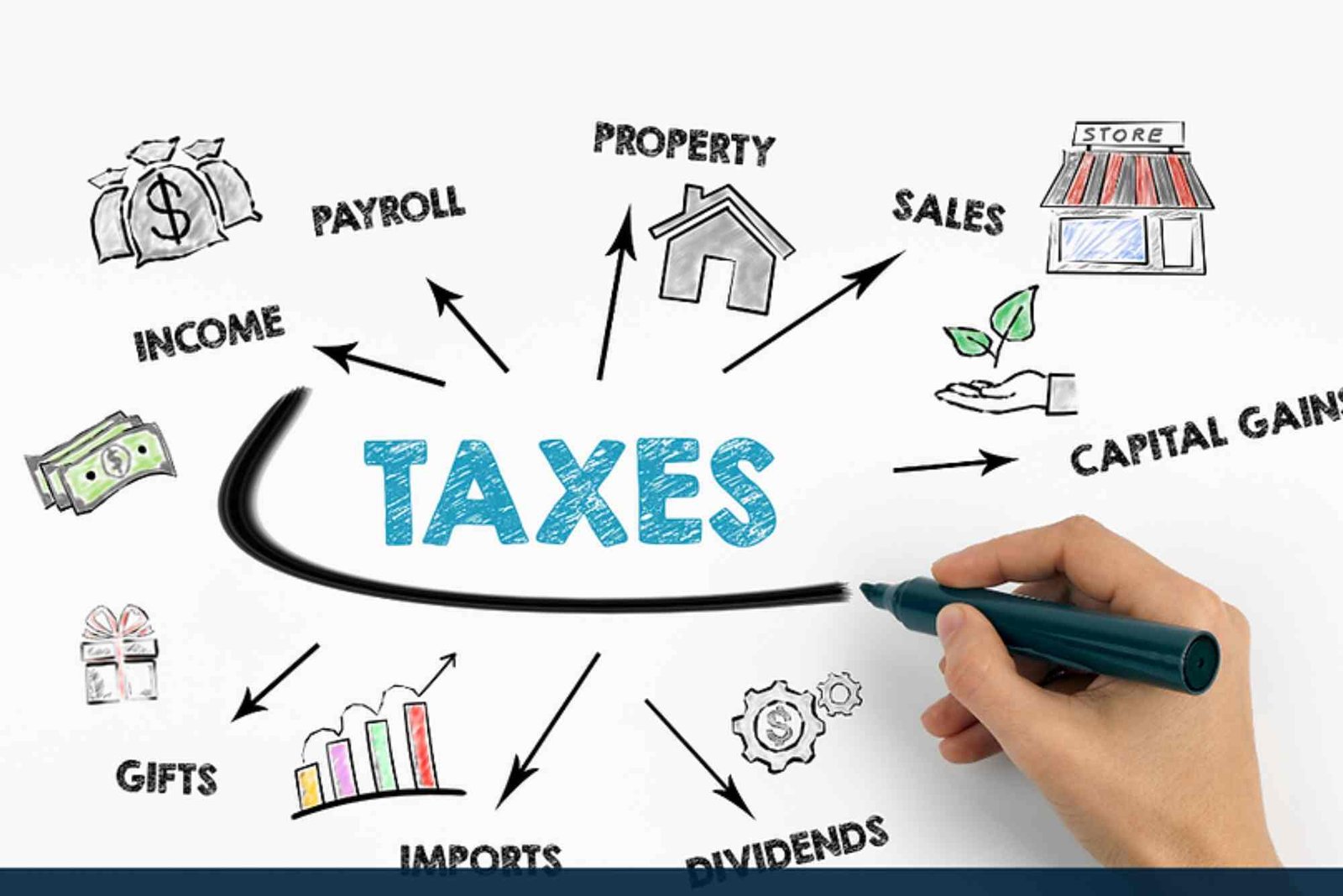
Paying taxes helps governments provide essential public services such as healthcare, education, roads, and security. Taxes also support economic growth and community development by funding infrastructure and social programs. Understanding Why Should People Pay Taxes? can help individuals recognize their role in building a stable and prosperous society while ensuring better facilities and opportunities for future generations.