




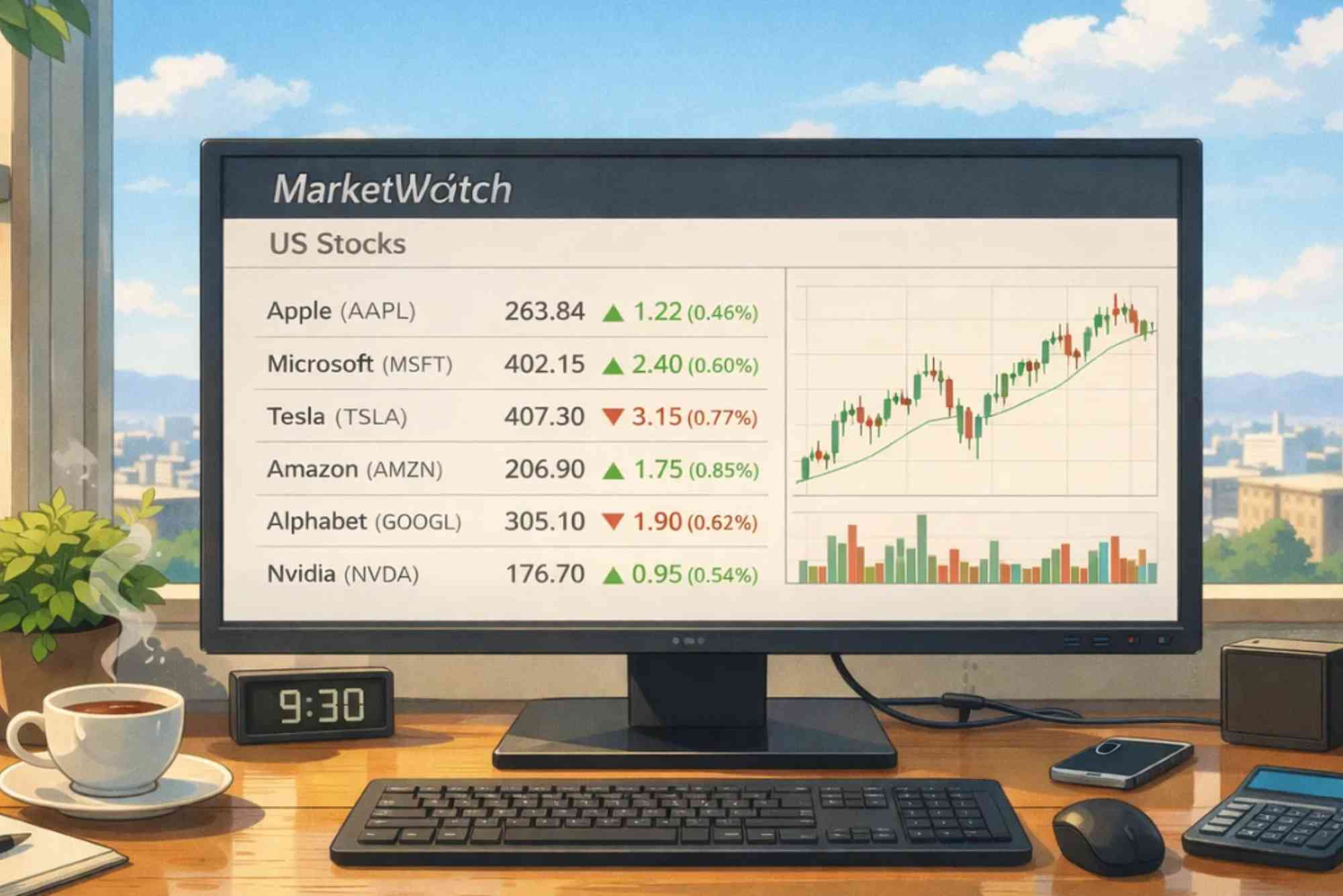
Investing in global markets has become easier than ever. Many Indian investors now want exposure to the world’s largest stock market—the New York Stock Exchange (NYSE). If you are wondering how to invest in NYSE from India, the process is simpler today than it was a decade ago. Technology, international brokerage platforms, and regulatory changes have opened doors for Indian investors to buy shares of companies like Apple, Microsoft, and Coca-Cola directly from India.
Understanding how to invest in NYSE from India is important for building a globally diversified portfolio. The U.S. stock market offers access to some of the most innovative companies in the world. Moreover, investing internationally helps reduce dependency on a single market and spreads financial risk across multiple economies.
In this comprehensive guide, you will learn everything about how to invest in NYSE from India, including legal rules, brokerage platforms, taxation, and strategies to start investing confidently.
Understanding the New York Stock Exchange (NYSE)
The New York Stock Exchange is the largest stock exchange in the world by market capitalization. It hosts thousands of companies across sectors like technology, healthcare, finance, energy, and consumer goods. Many of the world’s most valuable companies are listed on the NYSE, making it a popular destination for global investors.
When Indian investors learn how to invest in NYSE from India, they gain access to businesses that influence the global economy. Companies listed on the exchange often operate internationally, generating revenue from multiple countries. This creates opportunities for long-term growth and diversification that domestic markets alone cannot provide.
The NYSE also has strict listing requirements and regulatory oversight. These regulations improve transparency and investor confidence. As a result, investors from India often see U.S. markets as stable and well-regulated investment destinations.


Why Indian Investors Are Interested in NYSE
Indian investors increasingly look beyond domestic markets for growth opportunities. The Indian stock market is strong, but global diversification reduces risk and improves potential returns. Learning how to invest in NYSE from India allows investors to participate in companies that dominate global industries.
Technology companies listed in the United States are often years ahead in innovation and global reach. Many Indian investors want exposure to these companies because they influence industries such as artificial intelligence, cloud computing, electric vehicles, and biotechnology.
Another reason investors explore how to invest in NYSE from India is currency diversification. When the Indian rupee depreciates against the U.S. dollar, investments in U.S. stocks may gain additional value. This provides a natural hedge against currency fluctuations.
Legal Framework for Investing in NYSE from India
Before investing internationally, Indian investors must follow rules set by the Reserve Bank of India. The RBI introduced the Liberalized Remittance Scheme (LRS), which allows Indian residents to invest abroad legally.
Under this scheme, individuals can send up to $250,000 per year outside India for various purposes, including stock market investments. This regulation makes it possible for investors to legally learn how to invest in NYSE from India without violating financial laws.
Investors must complete documentation such as PAN verification and international fund transfer approvals through their banks or brokerage platforms. These compliance steps ensure that foreign investments remain transparent and regulated.
Choosing the Right Brokerage Platform
Selecting a brokerage platform is one of the most important steps in understanding how to invest in NYSE from India. Several Indian and international brokers allow Indian residents to buy U.S. stocks directly.
Some brokerage firms offer international trading accounts that connect investors to the U.S. stock market. Others provide partnerships with global brokers that execute trades on behalf of Indian investors.
While choosing a platform, investors should consider brokerage fees, currency conversion charges, account maintenance costs, and available research tools. These factors significantly affect long-term investment returns.
A good brokerage platform also provides educational resources, analytical tools, and portfolio tracking features. These features help investors manage their U.S. investments efficiently from India.
Opening an International Trading Account
Opening an international trading account is the next step in learning how to invest in NYSE from India. Most platforms allow investors to complete this process online.
The account opening procedure usually requires identity verification documents such as PAN card, Aadhaar card, bank account details, and address proof. Some brokers may also require a signed international trading agreement.
Once the verification process is complete, investors can transfer funds from their Indian bank accounts to their international trading accounts. These funds are converted into U.S. dollars before purchasing stocks listed on the NYSE.
After funding the account, investors can start buying shares of global companies directly from the trading dashboard provided by their brokerage platform.
Funding Your Investment Account
Funding the account is a crucial part of how to invest in NYSE from India. Investors must transfer money from their Indian bank accounts through international remittance.
Most banks support foreign outward remittance under the Liberalized Remittance Scheme. Investors must fill out a declaration form confirming that the remittance complies with RBI guidelines.
Once the money reaches the brokerage account, it is converted into U.S. dollars. Investors can then use these funds to buy stocks listed on the New York Stock Exchange.
Currency conversion fees and remittance charges may vary depending on the bank and brokerage platform. Investors should compare costs before transferring funds internationally.
Types of Investments Available on NYSE
Understanding the available investment options is essential when learning how to invest in NYSE from India. Investors are not limited to buying individual stocks.
Exchange-traded funds (ETFs) are popular among international investors. These funds track market indices and provide diversified exposure across multiple companies.
Another option is investing in fractional shares. Some brokerage platforms allow investors to purchase a portion of expensive stocks. This means investors can buy small pieces of high-value companies without needing large amounts of capital.
These investment choices make it easier for beginners to start their journey in the U.S. stock market.
Taxation Rules for Indian Investors
Taxation plays an important role when discussing how to invest in NYSE from India. Indian investors must pay taxes both in the United States and in India.
The United States typically deducts a withholding tax on dividends earned from U.S. stocks. However, India and the U.S. have a Double Taxation Avoidance Agreement (DTAA). This agreement prevents investors from being taxed twice on the same income.
Capital gains from U.S. stocks are taxed in India according to international asset rules. If the investment is held for more than 24 months, it is considered long-term capital gain.
Investors should consult a tax professional to fully understand reporting requirements for international investments.
Risks of Investing in Foreign Markets
Although learning how to invest in NYSE from India opens global opportunities, investors must understand the risks involved.
Currency exchange fluctuations can affect returns. If the Indian rupee strengthens against the U.S. dollar, it may reduce investment gains.
Global market volatility is another factor. Economic events in the United States or worldwide can impact stock prices.
Regulatory changes or geopolitical tensions may also influence international investments. Investors should always maintain a diversified portfolio to manage these risks effectively.
Strategies for Successful NYSE Investing
Successful investors follow disciplined strategies while exploring how to invest in NYSE from India. Long-term investing is one of the most reliable approaches.
Investing in companies with strong fundamentals, consistent earnings growth, and global leadership often produces sustainable returns. Investors should also focus on sectors with long-term growth potential.
Diversification across multiple industries helps reduce overall portfolio risk. Instead of concentrating investments in one sector, spreading capital across different industries improves stability.
Consistent investing and patience are essential when building wealth in global markets.
Future of Global Investing for Indian Investors
Global investing is becoming increasingly accessible for Indian investors. Digital brokerage platforms, improved financial regulations, and better investor awareness have simplified the process.
As more Indians learn how to invest in NYSE from India, global portfolio diversification will likely become a standard investment strategy. Younger investors especially see international exposure as an essential part of wealth creation.
With technology making cross-border investing easier, the barrier between domestic and international markets continues to shrink. Investors now have the opportunity to participate in some of the world’s most innovative businesses.
Frequently Asked Questions
Can Indian residents legally invest in NYSE?
Yes, Indian residents can legally invest in the New York Stock Exchange through the RBI’s Liberalized Remittance Scheme, which allows investments up to $250,000 per year abroad.
What is the minimum amount required to invest in NYSE from India?
The minimum amount depends on the brokerage platform. Some platforms allow fractional share investing, enabling investors to start with small amounts.
Do Indian investors need a U.S. bank account?
No, investors typically do not need a U.S. bank account. Funds can be transferred directly from an Indian bank account to an international brokerage account.
Are NYSE investments taxed in India?
Yes, capital gains from U.S. stocks must be reported and taxed in India according to international asset taxation rules.
Which broker allows Indians to invest in U.S. stocks?
Many international and Indian brokerage platforms provide access to U.S. markets through international trading accounts.
Understanding how to invest in NYSE from India can unlock opportunities for global wealth creation. With the right brokerage platform, regulatory knowledge, and investment strategy, Indian investors can participate in some of the world’s most successful companies.
Global diversification strengthens portfolios and protects investors from relying on a single economy. By following proper regulations and focusing on long-term growth, investing in the New York Stock Exchange can become a valuable part of your financial strategy.
What Is Svr Mortgage? An SVR mortgage, or Standard Variable Rate mortgage, is a home loan where the interest rate is set by the lender and can change over time. When a fixed or introductory mortgage deal ends, borrowers are often moved to the SVR. The rate may rise or fall depending on the lender’s decisions and market conditions.