




Introduction
Understanding how to calculate your fertile period is one of the most important steps for anyone planning a pregnancy or tracking reproductive health. The fertile period refers to the days in a woman’s menstrual cycle when pregnancy is most likely to occur. Knowing this window can significantly improve your chances of conception.
Many people struggle with confusion about cycle lengths, ovulation timing, and fertility signs. However, learning how to calculate your fertile period is simpler than it seems when broken down into clear steps. With basic knowledge of your menstrual cycle and body signals, you can identify your most fertile days with confidence.
In this guide, we will explore natural methods, scientific understanding, and practical tools to help you accurately determine your fertile window. Whether you are trying to conceive or simply want to understand your body better, this article will give you everything you need.
Understanding the Menstrual Cycle and Fertility
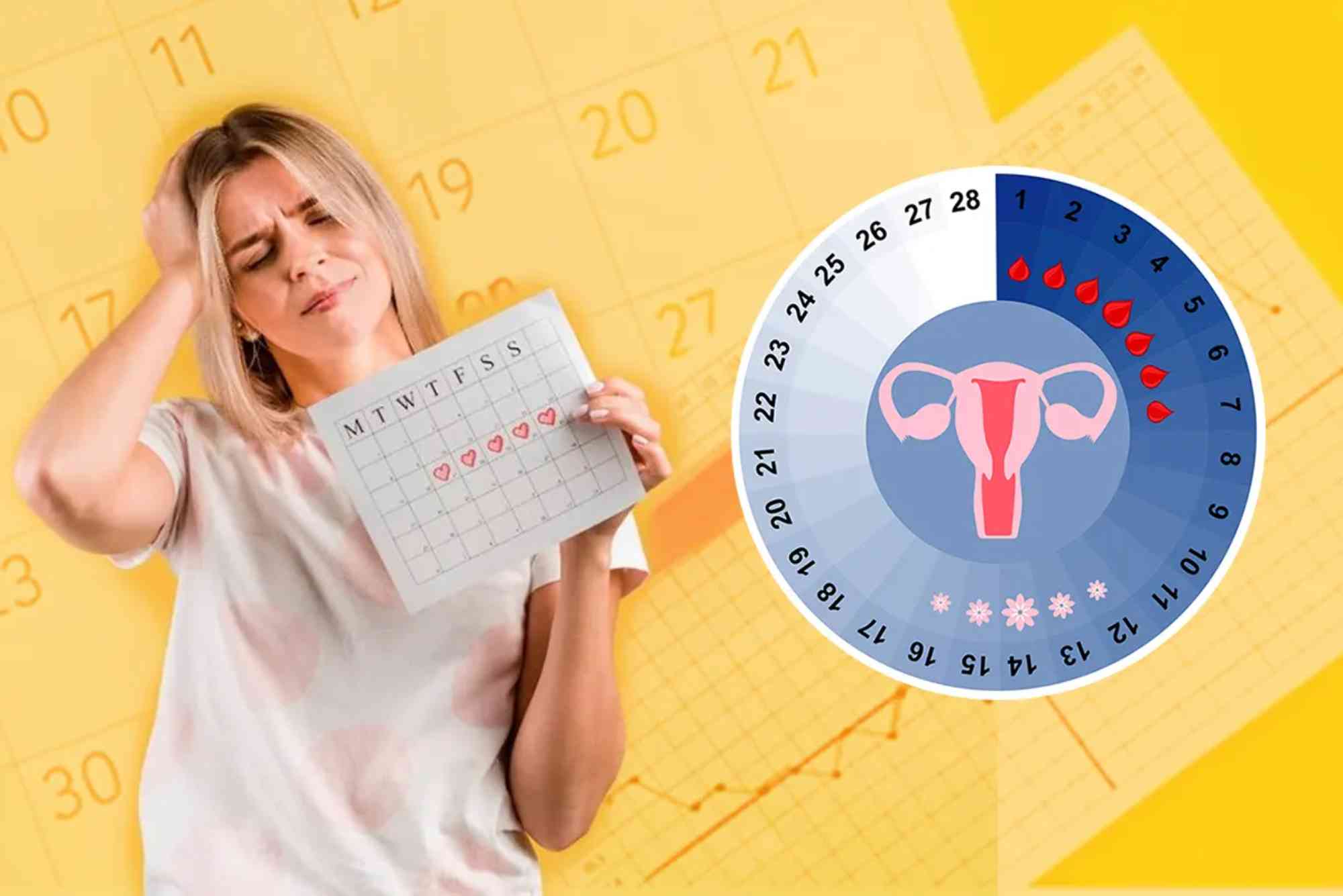
To learn how to calculate your fertile period, you first need to understand how the menstrual cycle works. A typical cycle lasts around 28 days, but it can vary from 21 to 35 days.
The Four Key Phases of the Cycle
The menstrual cycle is divided into four main phases:
Menstrual Phase
This is when bleeding occurs. It usually lasts 3 to 7 days. Fertility is low during this phase.


Follicular Phase
The body prepares an egg for release. Hormones begin to rise, increasing fertility gradually.
Ovulation Phase
This is the most important phase for how to calculate your fertile period. An egg is released and can be fertilized for about 12 to 24 hours.
Luteal Phase
The body prepares for pregnancy or the next cycle. Fertility drops after ovulation.
Understanding these phases helps you recognize when your body is most fertile and when conception is most likely.
How to Calculate Your Fertile Period Using Cycle Tracking
One of the simplest ways to learn how to calculate your fertile period is by tracking your menstrual cycle.
Ovulation usually occurs about 14 days before your next period. For example, in a 28-day cycle, ovulation happens around day 14. Your fertile window includes the five days before ovulation and the day of ovulation itself.
y=x−14
This formula helps estimate ovulation by subtracting 14 from your total cycle length. Once you know ovulation, you can identify your fertile days easily.
Example Calculation
If your cycle is 30 days long:
Ovulation = 30 – 14 = Day 16
Fertile period = Days 11 to 16
This method is widely used because it is simple and effective. However, it works best if your cycle is regular.
Signs That Help You Identify Fertility
While learning how to calculate your fertile period, it is important to notice natural body signals. These signs help confirm ovulation timing.
Changes in Cervical Mucus
During fertile days, cervical mucus becomes clear, stretchy, and similar to egg white. This helps sperm move easily.
Basal Body Temperature Increase
After ovulation, your body temperature rises slightly. Tracking this daily helps confirm fertile days.
Mild Abdominal Pain
Some women feel light cramps or twinges during ovulation. This is known as mittelschmerz.
Increased Libido
Hormonal changes may naturally increase sexual desire during fertile days.
These signs are useful indicators when combined with cycle tracking for better accuracy in how to calculate your fertile period.
Using the Calendar Method for Fertility Tracking
The calendar method is another common approach to how to calculate your fertile period. It involves marking your menstrual dates over several months to identify patterns.
After tracking at least six cycles, you can estimate your fertile window more accurately. This method is helpful for women with relatively regular cycles.
However, it may not be fully reliable for irregular cycles. In such cases, combining it with other methods improves accuracy.
Ovulation Predictor Kits and Digital Tools
Technology has made it easier to learn how to calculate your fertile period. Ovulation predictor kits (OPKs) detect hormone levels in urine that increase before ovulation.
When the luteinizing hormone (LH) surges, ovulation is likely to occur within 24–36 hours. This is a strong indicator of fertility.
Mobile apps also help track cycles, symptoms, and fertile windows. They use algorithms to predict ovulation based on your data.
While these tools are helpful, they should be used alongside natural tracking methods for best results.
Common Mistakes in Calculating Fertile Period
Many people make mistakes while learning how to calculate your fertile period, which can lead to inaccurate predictions.
One common mistake is assuming every cycle is exactly 28 days. In reality, cycle lengths vary between individuals.
Another mistake is ignoring body signs like cervical mucus changes. These signs are essential for accuracy.
Stress, illness, and lifestyle changes can also affect ovulation timing. That’s why relying on only one method is not recommended.
How Lifestyle Affects Fertility Timing
Your lifestyle plays an important role in understanding how to calculate your fertile period effectively.
Stress can delay ovulation. Poor sleep and unhealthy diet may also affect hormone balance. On the other hand, a balanced lifestyle supports regular cycles.
Maintaining hydration, eating nutritious foods, and exercising moderately can improve reproductive health.
When your body is balanced, tracking fertility becomes more predictable and reliable.
Importance of Tracking for Conception
Learning how to calculate your fertile period is especially useful for couples trying to conceive.
Timing intercourse during fertile days increases the chances of pregnancy. Since sperm can survive up to five days inside the body, having intercourse before ovulation is also effective.
Understanding your cycle reduces guesswork and helps plan pregnancy more efficiently.
How Irregular Cycles Affect Fertility Calculation
For women with irregular cycles, how to calculate your fertile period can be more challenging.
In such cases, ovulation may not occur on the same day each month. This makes calendar-based methods less reliable.
Instead, combining cervical mucus tracking, temperature monitoring, and ovulation kits provides better results.
Over time, patterns may still emerge, helping improve prediction accuracy.
When to Seek Medical Advice
If you are struggling to identify your fertile window or facing difficulty conceiving, it may be helpful to consult a healthcare professional.
Hormonal imbalances, thyroid issues, or reproductive conditions can affect ovulation.
Medical guidance can help you better understand how to calculate your fertile period based on your individual health condition.
Conclusion
Understanding how to calculate your fertile period empowers you to take control of your reproductive health. By learning your cycle, observing body signals, and using simple tracking methods, you can accurately identify your most fertile days.
Whether you rely on calendar methods, ovulation kits, or natural signs, consistency is key. The more you understand your body, the easier it becomes to predict ovulation.
If you are planning for pregnancy, start tracking today and combine different methods for best results. Small efforts can make a big difference in your journey toward conception.
Take the first step now by monitoring your cycle and applying the methods explained in this guide on how to calculate your fertile period.
financer.ae is a helpful online platform that provides users with financial insights, comparisons, and guides for loans, credit cards, and personal finance solutions. It helps individuals make smart financial decisions by offering updated information, tools, and resources tailored to the UAE market. It also covers budgeting tips and investment awareness for beginners and professionals, making financial planning easier and more accessible.
FAQ:
What is the easiest way to calculate the fertile period?
The easiest way to calculate your fertile period is by subtracting 14 days from your cycle length. This helps estimate ovulation and identify fertile days.
Can I get pregnant only during the fertile period?
Yes, pregnancy is most likely during the fertile period. However, sperm can survive for up to five days, increasing the chances slightly outside ovulation day.
How accurate is cycle tracking for fertility?
Cycle tracking is fairly accurate for regular cycles. However, combining it with body signs and ovulation kits improves reliability.
What are the signs of ovulation?
Common signs include changes in cervical mucus, slight abdominal pain, and a rise in basal body temperature.
Can stress affect my fertile period?
Yes, stress can delay ovulation and shift your fertile window. A healthy lifestyle helps maintain regular cycles.
