




Introduction
Understanding how to calculate wind load on steel structure is one of the most important steps in structural design and engineering safety. Wind is a powerful natural force that can create pressure, suction, and dynamic effects on buildings and steel frameworks. If not properly considered, it can lead to structural failure, instability, or costly design errors.
Engineers use standardized codes and formulas to ensure every steel structure can safely resist wind forces. The process involves evaluating wind speed, exposure conditions, building height, shape, and geographic location. When learning how to calculate wind load on steel structure, it is essential to combine theoretical knowledge with real-world design practice.
This article explains the complete process in a simple and professional way. It helps beginners, students, and engineers understand how wind pressure is determined and applied in steel structure design.
Understanding Wind Load in Steel Structures
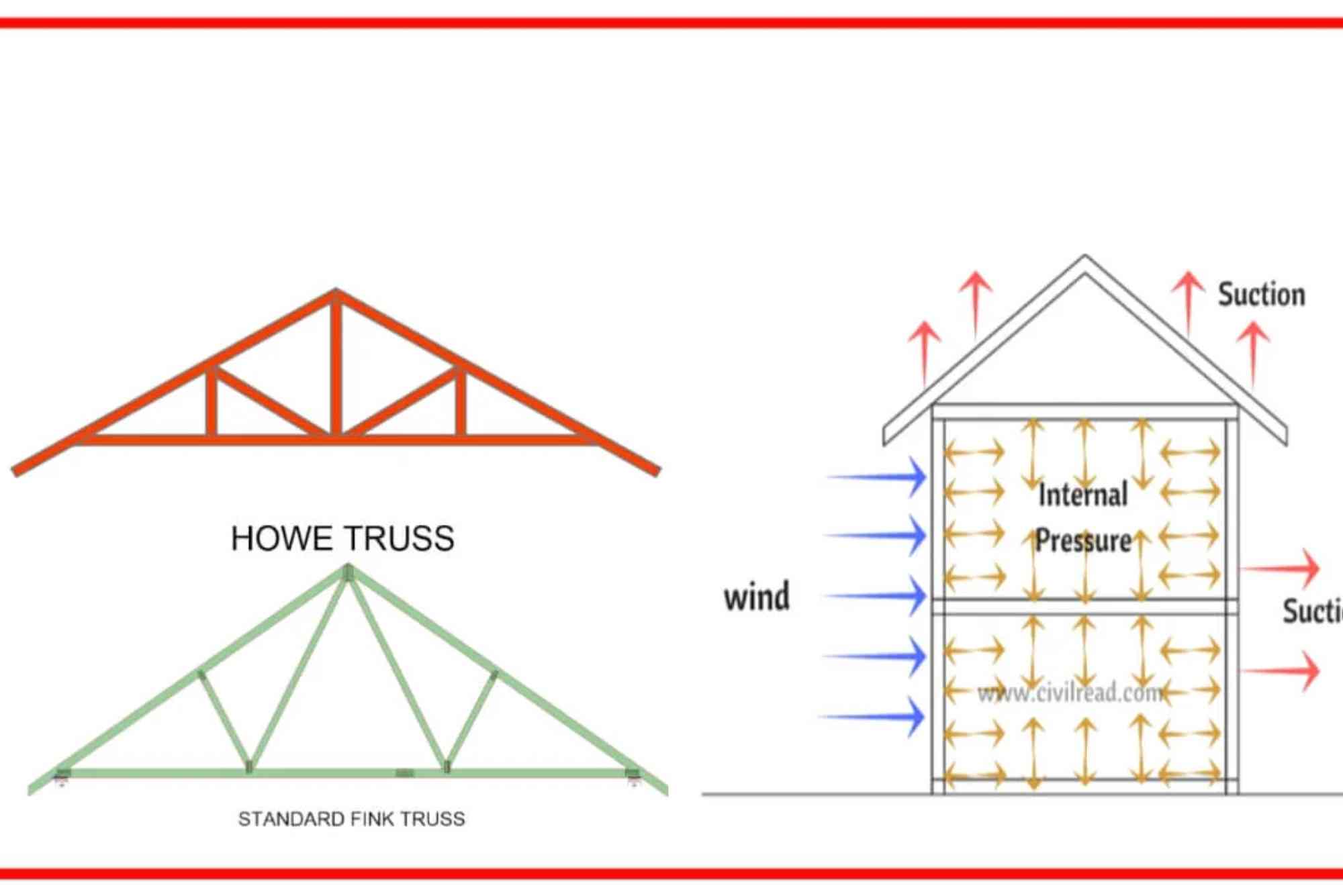
Wind load refers to the force exerted by moving air on a structure. In steel buildings, this force acts on columns, beams, cladding, and overall frames. It can push, pull, or create uplift depending on wind direction and building geometry.
When studying how to calculate wind load on steel structure, it is important to understand that wind does not act uniformly. Pressure changes with height and surface orientation. For example, the wind pressure is usually higher at the top of a tall structure compared to the base.
Steel structures are lightweight compared to concrete, which makes them more sensitive to wind forces. Therefore, accurate calculation becomes critical in ensuring stability and durability.


Key Factors Affecting Wind Load Calculation
Before applying any formula, engineers consider several environmental and structural factors. These factors directly influence how to calculate wind load on steel structure accurately.
Wind speed is the most significant factor. Higher wind speed produces greater pressure on the structure. Geographic location also matters because coastal or open areas usually experience stronger winds than urban environments.
Building height is another key factor. As height increases, wind velocity increases, resulting in higher pressure at upper levels. The shape of the structure also plays a major role. Flat surfaces face more direct pressure compared to curved or aerodynamic shapes.
Exposure category is also important. Structures in open terrain face stronger wind forces than those surrounded by other buildings. Internal pressure inside enclosed buildings can also affect the overall load.
Basic Formula for Wind Load Calculation
The general formula used in structural engineering for wind pressure is based on dynamic pressure principles.
q=0.5ρV2
In this formula, wind pressure q depends on air density and wind velocity. This is the foundation of how to calculate wind load on steel structure in most engineering codes.
However, real-world applications use modified versions of this formula that include safety factors, terrain effects, and height variations. Standards such as IS codes, Eurocode, and ASCE further refine this calculation for practical use.
Wind load on a surface is then calculated by multiplying wind pressure with the exposed area and shape coefficient. This helps engineers determine the actual force acting on the structure.
Step-by-Step Concept of Wind Load Calculation
When learning how to calculate wind load on steel structure, the process generally follows a structured engineering approach.
First, the basic wind speed for the location is identified from meteorological data or building codes. This value represents the maximum expected wind speed for a specific return period.
Next, this wind speed is adjusted using factors such as height, terrain, and importance of the structure. These adjustments ensure realistic conditions are considered rather than theoretical values.
After that, wind pressure is determined using the adjusted velocity. The pressure is then distributed across different parts of the steel structure depending on surface area and orientation.
Finally, structural analysis is performed to determine how these forces affect beams, columns, and joints. This step ensures the steel frame can safely resist all applied loads.
Wind Pressure Variation with Height
One of the most important aspects of how to calculate wind load on steel structure is understanding height variation. Wind speed increases as elevation increases because surface friction decreases.
This means that upper floors of steel structures experience higher pressure compared to lower sections. Engineers apply height correction factors to account for this variation.
In tall industrial sheds, warehouses, or high-rise steel frames, this variation becomes highly significant. Ignoring it can lead to underestimation of loads and potential structural risks.
Importance of Shape and Design in Wind Load
The shape of a steel structure directly influences wind behavior. Flat surfaces experience higher drag force, while sloped or curved surfaces reduce pressure buildup.
When studying how to calculate wind load on steel structure, engineers also consider wind direction and angle of attack. Even small changes in shape can significantly alter load distribution.
For example, open-frame steel structures allow wind to pass through, reducing overall pressure. In contrast, closed box-type structures trap wind, increasing internal pressure effects.
Role of Safety Factors and Building Codes
Safety factors are an essential part of wind load design. They ensure that structures remain safe even under extreme weather conditions.
Different countries follow different codes for wind load calculation. These codes define minimum design standards and ensure uniform safety practices in construction.
When applying how to calculate wind load on steel structure in real projects, engineers always follow these codes rather than relying on simple formulas alone. This ensures compliance, safety, and long-term durability of the structure.
Practical Application in Steel Structure Design
In real engineering practice, wind load calculation is not done in isolation. It is integrated into full structural design analysis.
Once wind forces are determined, they are combined with dead load and live load conditions. This combined analysis helps engineers understand the total stress on steel members.
Steel beams and columns are then designed or selected based on maximum expected load conditions. Connections such as bolts and welds are also checked to ensure they can handle wind-induced forces.
Understanding how to calculate wind load on steel structure helps engineers create safer, more efficient, and cost-effective designs.
Common Mistakes in Wind Load Calculation
Many errors occur when engineers or students attempt wind load calculations without proper understanding. One common mistake is ignoring height variations, which leads to underestimated forces.
Another mistake is using incorrect wind speed data that does not match the project location. Some also neglect internal pressure effects, especially in enclosed buildings.
When learning how to calculate wind load on steel structure, attention to detail is crucial. Even small errors can significantly impact structural safety.
Importance of Accurate Wind Load Analysis
Accurate wind load analysis ensures the long-term safety of steel structures. It prevents deformation, vibration issues, and structural failure during storms.
It also helps optimize material usage. Overestimating wind load can lead to unnecessarily heavy and expensive designs, while underestimating it can compromise safety.
Therefore, engineers must balance accuracy and efficiency when applying wind load principles in steel structure design.
Conclusion
Understanding how to calculate wind load on steel structure is essential for any structural engineer or designer. Wind forces are unpredictable, but they can be managed effectively using proper engineering principles and standards.
By considering wind speed, height, shape, and exposure, engineers can design steel structures that are both safe and efficient. The use of codes and safety factors ensures reliability in real-world conditions.
How WHR is Calculated refers to the method of determining the waist-to-hip ratio, an important health indicator used to assess body fat distribution. It is calculated by dividing the waist circumference by the hip circumference, both measured in the same units. A higher WHR may indicate increased health risks such as cardiovascular disease and obesity-related conditions. Understanding WHR helps in fitness tracking and health assessment. Learn more from How WHR is Calculated guide today.
FAQ
How is wind load calculated on steel structures?
Wind load is calculated using wind speed, air density, and exposure factors. The pressure is then applied to the surface area of the steel structure.
What is the basic formula for wind load?
The basic formula is based on dynamic pressure:
Wind pressure = 0.5 × air density × wind speed².
Why is wind load important in steel structures?
It ensures safety by preventing structural failure, vibration, or deformation during strong winds or storms.
Does wind load increase with height?
Yes, wind speed increases with height, so upper parts of steel structures experience higher wind load.
