



Introduction
Excise tax is a type of indirect tax imposed on specific goods and services, often aimed at regulating consumption or generating government revenue. Calculating excise tax accurately is essential for businesses and consumers alike. Understanding the methodology ensures compliance with tax regulations and helps in financial planning. Excise taxes are commonly applied to products such as alcohol, tobacco, sugary drinks, fuel, and luxury items. Each country may have unique rules for applying excise taxes, making it crucial to understand local guidelines.
Understanding Excise Tax
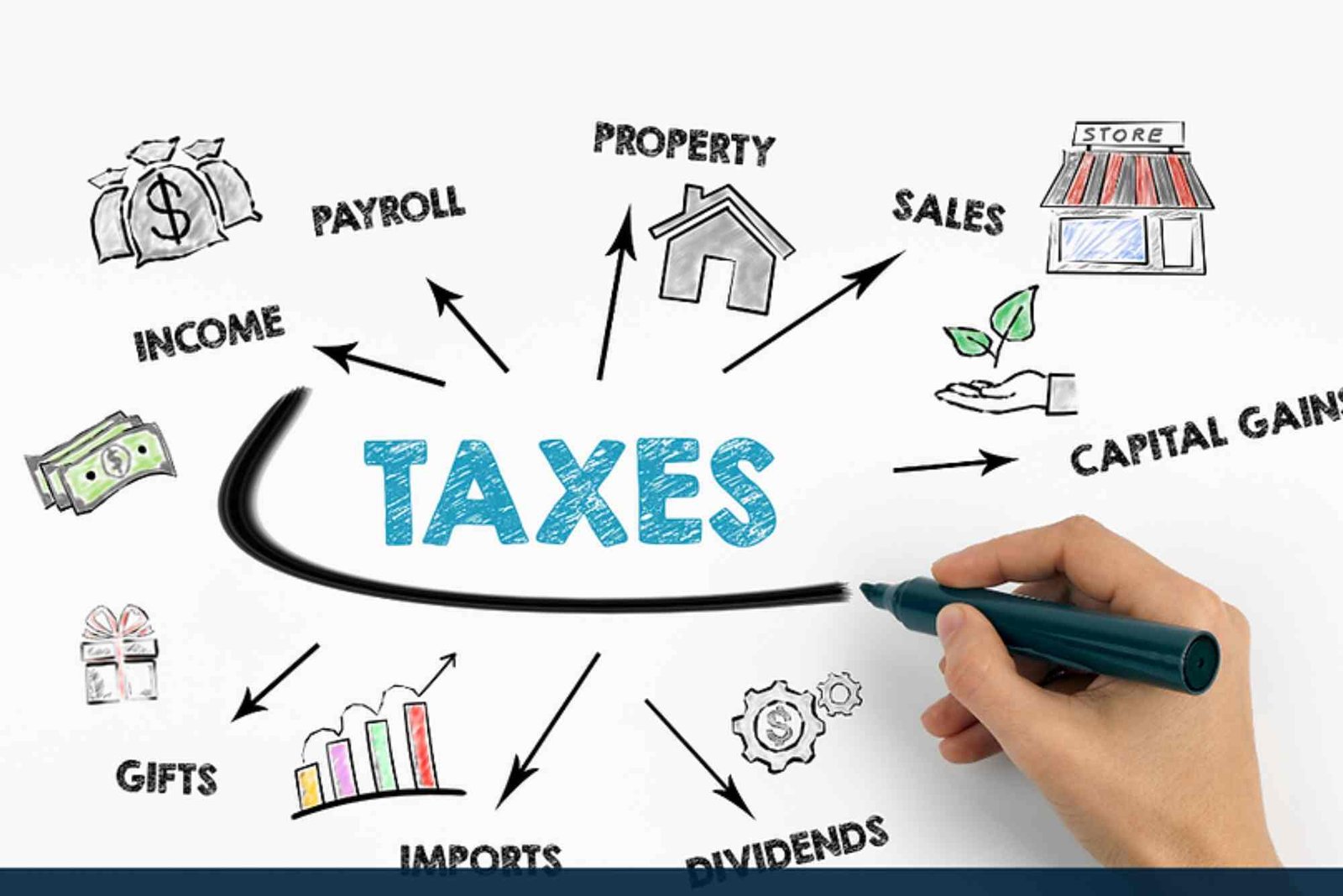
Excise tax is different from sales tax or VAT because it targets particular products rather than being applied broadly. Governments use excise tax both as a revenue tool and a public policy instrument. For example, higher taxes on tobacco aim to reduce smoking rates. Excise tax can be calculated either as a percentage of the product’s value or as a fixed amount per unit. Knowing which type applies is the first step in accurate calculation.
Types of Excise Tax
There are two primary types of excise tax: ad valorem and specific. Ad valorem excise tax is calculated as a percentage of the product’s price. This method fluctuates with market price changes. Specific excise tax, on the other hand, is a fixed amount per unit, such as per liter, kilogram, or pack. Understanding the type of tax is essential because it directly affects the final calculation and pricing strategy.
Factors Affecting Excise Tax Calculation
Several factors influence how excise tax is calculated. These include the product category, applicable tax rate, quantity, and unit of measurement. Governments may adjust excise tax rates periodically based on inflation, consumption patterns, or policy objectives. Businesses must remain updated with the latest regulations to avoid underpayment or penalties. Additional charges such as import duties or environmental levies can also affect the total excise tax.
Step-by-Step Guide to Calculating Excise Tax
Calculating excise tax can be straightforward if you follow a systematic approach. Begin by identifying the type of excise tax applied to your product. Check the official government guidelines for the current tax rate or fixed amount. Determine the taxable base, which could be the product’s price or quantity. Multiply the tax rate by the taxable base for ad valorem tax. For specific excise tax, multiply the fixed amount by the number of units. Summing up these calculations provides the total excise tax due.
Example of Excise Tax Calculation
Consider a company selling alcoholic beverages. If the ad valorem excise tax is 20% and the price of a bottle is $50, the excise tax would be $50 multiplied by 20%, resulting in $10. For specific excise tax, if a $2 tax is applied per liter and a bottle contains 1.5 liters, the tax would be $2 multiplied by 1.5, totaling $3. These examples highlight how the calculation method influences the final amount.


Importance of Accurate Excise Tax Calculation
Accurate excise tax calculation is crucial for several reasons. Firstly, it ensures legal compliance and avoids penalties or audits. Secondly, it helps businesses price products appropriately, factoring in the tax to maintain profitability. Accurate calculations also allow for proper financial reporting, aiding in budgeting and forecasting. Furthermore, consumers indirectly benefit when companies comply with tax regulations, as it promotes transparency in product pricing.
Tools for Calculating Excise Tax
Many businesses use specialized software or online calculators to determine excise tax accurately. These tools reduce human error and streamline compliance processes. Government portals often provide calculators that allow businesses to input product type, quantity, and price to determine the tax owed. Leveraging technology ensures consistent calculations, particularly for companies handling multiple products subject to varying tax rates.
Challenges in Excise Tax Calculation
Despite available tools, excise tax calculation can present challenges. One common issue is understanding complex regulations, especially when multiple taxes apply simultaneously. Rate changes or new government policies can create confusion. Additionally, cross-border transactions require knowledge of international excise tax rules, including import duties. Businesses must stay informed and often consult tax professionals to navigate these complexities efficiently.
Impact of Excise Tax on Pricing
Excise tax directly affects the retail price of goods. Businesses must account for the tax in their pricing strategy to maintain margins. For example, if a manufacturer absorbs the tax, product prices remain higher for consumers. Alternatively, the tax can be passed on to customers, influencing demand. Understanding how excise tax affects pricing helps businesses make informed marketing and financial decisions.
Excise Tax in Different Industries
Different industries experience excise tax in various ways. In the beverage sector, alcohol and sugary drinks face significant taxation. Tobacco products are heavily taxed to curb consumption. Fuel excise tax affects transportation costs and, indirectly, goods prices. Luxury items such as high-end electronics may also be subject to excise tax. Each industry must understand specific rules to ensure compliance and accurate reporting.
Excise Tax Compliance and Reporting
Compliance involves registering with the appropriate tax authorities, maintaining detailed records, and submitting timely returns. Businesses must keep invoices, sales records, and production data to support tax calculations. Reporting accuracy is critical, as errors can trigger audits or fines. Adopting standardized accounting practices and automated reporting systems can significantly simplify excise tax management.
Calculating excise tax correctly is vital for businesses and consumers. Understanding the type of tax, applying the correct rate or fixed amount, and using reliable tools ensures compliance and accurate pricing. Staying informed about changing regulations reduces the risk of penalties and promotes financial transparency. Excise tax is more than a legal obligation; it influences business strategy and consumer behavior. Whether managing a single product or a diverse portfolio, precision in calculation is essential. To simplify your excise tax management, start using official tax tools or consult a tax professional today. Accurate calculation not only ensures compliance but also strengthens your business strategy.
Looking to start your career as a certified tax professional in the UAE? Learn the step-by-step process on how to apply for a tax agent licence to ensure compliance with local regulations. This comprehensive guide covers eligibility, documentation, and application tips for a smooth approval. Check the full details here.
FAQs
What is excise tax and how is it different from VAT?
Excise tax is applied to specific goods like alcohol, tobacco, or fuel, while VAT applies broadly to most sales transactions.
How do I calculate excise tax for alcohol?
Check whether the tax is ad valorem (percentage of price) or specific (fixed per unit), then multiply by the relevant base.
Can excise tax rates change frequently?
Yes, governments may adjust rates periodically to control consumption or increase revenue.
Is excise tax included in the retail price?
It depends; some businesses include it in the price, while others add it at the point of sale.
Do I need special software to calculate excise tax?
While not mandatory, specialized software or government calculators help reduce errors and simplify reporting.