



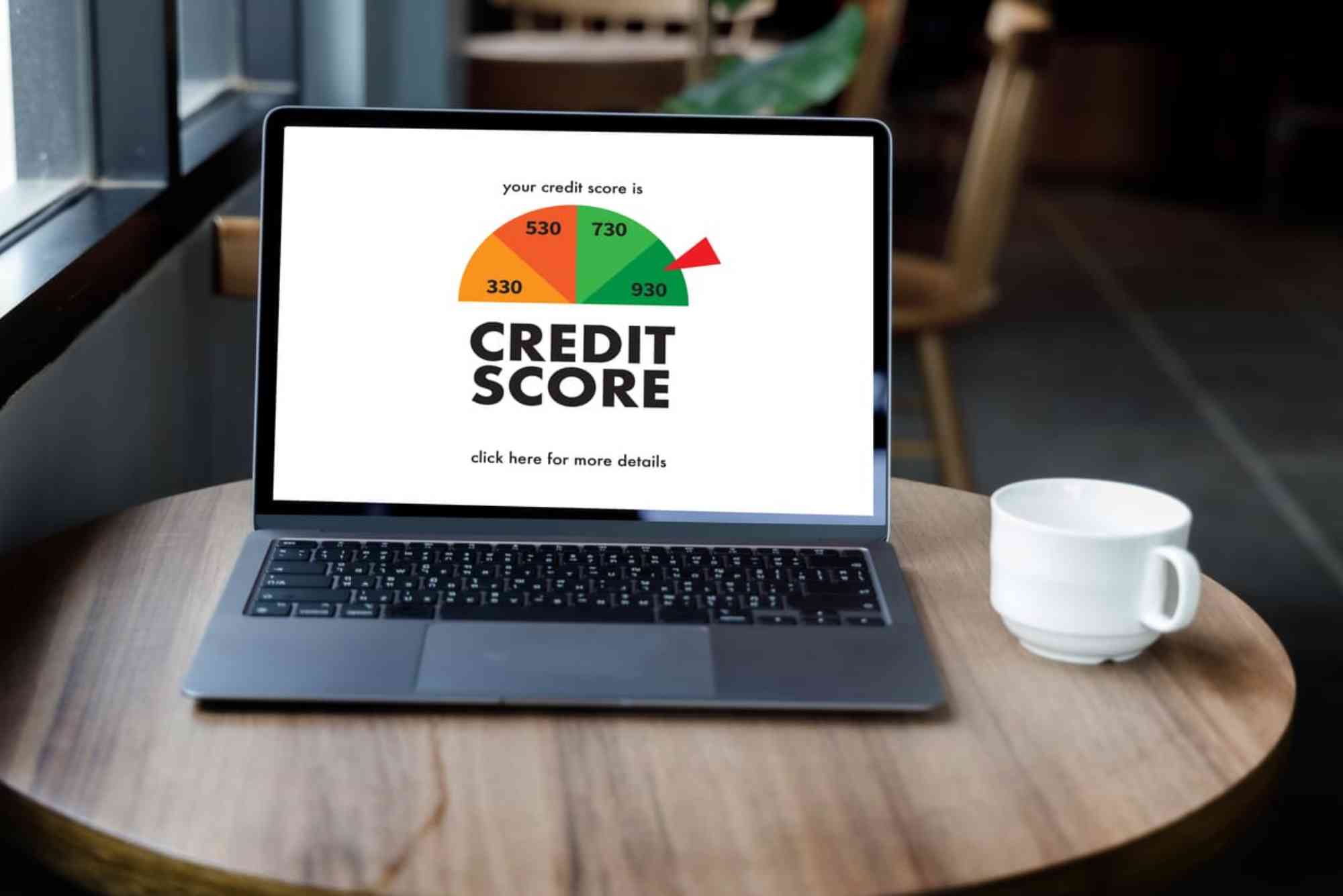
Buying a home is one of the biggest financial decisions in life. However, before approving your mortgage, banks carefully review your creditworthiness. One of the most important factors they evaluate is your CIBIL score. Understanding how to calculate CIBIL score for home loan eligibility helps you prepare financially and improve your chances of approval.
Your CIBIL score reflects your credit behavior and repayment discipline. It ranges between 300 and 900. A higher score indicates strong credit management and lowers the risk for lenders. As a result, banks often approve loans faster and offer better interest rates to borrowers with strong scores.
Learning how to calculate CIBIL score for home loan approval also helps you identify areas that need improvement. When you understand how the score works, you can manage your finances better and qualify for larger loan amounts. This guide explains the calculation method, key factors affecting your score, and strategies to improve it before applying for a home loan.
Understanding the CIBIL Score and Why It Matters for Home Loans
Before learning how to calculate CIBIL score for home loan approval, it is important to understand what the score represents. The CIBIL score is a three-digit number generated by TransUnion CIBIL, India’s leading credit information company. It summarizes your credit history based on past borrowing and repayment patterns.
Lenders use this score to assess the risk of lending money to you. If your score is high, banks assume that you repay loans on time. Therefore, they consider you a reliable borrower. On the other hand, a low score indicates potential risk, which may lead to loan rejection or higher interest rates.
Most banks prefer applicants with a CIBIL score above 750 for home loan approval. Scores between 700 and 750 may still qualify but could attract slightly higher interest rates. When your score falls below 650, approval becomes significantly more difficult.


Because of this, understanding how to calculate CIBIL score for home loan applications becomes essential for anyone planning to buy property.
How the CIBIL Score is Calculated
Many borrowers assume the score is random. In reality, the formula behind how to calculate CIBIL score for home loan eligibility relies on several measurable financial behaviors. These behaviors are analyzed through your credit report.
Payment History and Loan Repayment Behavior
Payment history plays the most important role in how to calculate CIBIL score for home loan approval. It accounts for around 35% of the total score.
Every time you repay a loan EMI or credit card bill, the payment status is recorded. Timely payments strengthen your credit profile. However, late payments, defaults, or missed EMIs negatively affect the score.
Even a single missed payment can reduce your score significantly. Therefore, consistent repayment behavior is crucial for maintaining a strong score before applying for a home loan.
Credit Utilization Ratio
Credit utilization contributes roughly 30% to the formula used in how to calculate CIBIL score for home loan eligibility. This ratio measures how much of your available credit you are currently using.
For example, if your credit card limit is ₹1,00,000 and you spend ₹30,000, your utilization ratio is 30%. Experts recommend keeping this ratio below 30%.
A high utilization ratio signals financial stress and can reduce your CIBIL score. Lower utilization indicates responsible credit management, which improves the score.
Length of Credit History
The length of your credit history also influences how to calculate CIBIL score for home loan approval. This factor accounts for about 15% of the score.
Lenders prefer borrowers with longer credit histories because they provide more reliable data about repayment behavior. Older credit accounts demonstrate financial stability over time.
Closing old credit cards can sometimes reduce your credit history length. Therefore, maintaining older accounts responsibly can positively impact your score.
Credit Mix and Types of Loans
Credit mix contributes approximately 10% to how to calculate CIBIL score for home loan eligibility. This factor evaluates the variety of credit accounts you manage.
There are two main types of credit: secured and unsecured. Secured loans include home loans and car loans. Unsecured loans include credit cards and personal loans.
A balanced mix of both types shows that you can handle different credit responsibilities effectively. Too many unsecured loans, however, may reduce your score.
Recent Credit Inquiries
Another component used in how to calculate CIBIL score for home loan approval is recent credit inquiries. Every time you apply for a loan or credit card, the lender performs a hard inquiry on your credit report.
Multiple inquiries within a short time may indicate financial distress. This can lower your score slightly. Therefore, avoid applying for many loans at the same time before submitting a home loan application.
Ideal CIBIL Score for Home Loan Approval
Knowing how to calculate CIBIL score for home loan eligibility also helps you determine the ideal score range required by lenders.
Most financial institutions prefer a score between 750 and 900. Borrowers within this range usually receive faster approvals and lower interest rates. A score above 800 is considered excellent and significantly improves loan negotiation power.
Applicants with scores between 700 and 749 still have reasonable approval chances. However, lenders may review additional factors such as income stability and employment history.
If your score falls below 650, banks may consider the application risky. In such cases, improving the score before applying becomes essential.
How to Check Your CIBIL Score Before Applying for a Home Loan
Before focusing on how to calculate CIBIL score for home loan eligibility, you should first check your current score. This allows you to understand your credit standing and identify areas for improvement.
You can obtain your credit report directly from the official TransUnion CIBIL website or other authorized credit bureaus. Many financial platforms also provide free credit score checks.
Your credit report contains detailed information about active loans, repayment history, credit limits, and past inquiries. Reviewing this report helps you verify the accuracy of your financial records before applying for a home loan.
Strategies to Improve CIBIL Score Before Applying for a Home Loan
Once you understand how to calculate CIBIL score for home loan eligibility, the next step is improving it if necessary. Fortunately, several financial habits can help increase your score over time.
Timely repayment of credit card bills and loan EMIs is the most effective strategy. Setting up automatic payments can prevent accidental delays and protect your score.
Reducing outstanding credit card balances also helps improve your credit utilization ratio. Lower balances signal strong financial discipline to lenders.
Avoid closing old credit accounts unnecessarily. Maintaining long-standing credit lines strengthens the average age of your credit history.
Another effective approach is limiting new loan applications. Multiple credit inquiries within a short period may reduce your score and make lenders cautious.
Gradually implementing these habits can improve your score within a few months, making your home loan application more attractive to banks.
Common Mistakes That Lower Your CIBIL Score
Many borrowers unintentionally damage their credit profiles. Understanding these mistakes is essential when learning how to calculate CIBIL score for home loan approval.
Late payments are the most common issue. Even small delays can impact your score significantly. Maintaining consistent repayment schedules prevents this problem.
Maxing out credit cards is another frequent mistake. High utilization ratios reduce your score and suggest financial strain.
Some borrowers also apply for multiple loans simultaneously while searching for the best offer. Unfortunately, this results in multiple hard inquiries, which can lower the score.
Ignoring credit report errors can also harm your score. Occasionally, reports may contain outdated or incorrect information. Reviewing your credit report regularly allows you to dispute inaccuracies promptly.
How Long Does It Take to Improve a CIBIL Score?
Improving your score takes time because lenders analyze long-term financial behavior. However, noticeable improvements can occur within three to six months if you consistently follow good credit practices.
Paying overdue balances, reducing credit card usage, and maintaining on-time payments gradually strengthen your credit profile. Over time, these actions positively influence how to calculate CIBIL score for home loan eligibility.
Patience and consistent financial discipline remain the key to building a strong credit reputation.
Frequently Asked Questions About CIBIL Score for Home Loans
What is the minimum CIBIL score required for a home loan?
Most lenders prefer a CIBIL score of at least 750. However, some banks may approve loans with scores around 700 depending on income stability.
Can I get a home loan with a 650 CIBIL score?
Yes, but approval becomes more difficult. You may also face higher interest rates and stricter loan conditions.
Does checking my CIBIL score affect it?
Checking your score yourself is considered a soft inquiry and does not affect your credit score.
How often should I check my CIBIL score?
Experts recommend checking your score at least two or three times per year. This helps you track changes and detect errors early.
How long does negative credit information stay on my report?
Most negative records remain on your credit report for about seven years before being removed.
How to Calculate CIBIL Score for Home Loan Approval
Understanding how to calculate CIBIL score for home loan eligibility is one of the smartest financial steps before purchasing property. Your credit score reflects your financial discipline and significantly influences loan approval, interest rates, and borrowing limits.
By maintaining timely payments, controlling credit utilization, and avoiding unnecessary loan inquiries, you can steadily improve your score. A strong CIBIL score not only increases approval chances but also helps you secure better loan terms.
How to Buy a Car with a Loan Buying a car with a loan starts by checking your credit score and setting a realistic budget. Compare loan offers from banks or lenders to find the best interest rate. After getting pre-approved, choose a car that fits your budget. Review the loan terms carefully, including monthly payments and total cost, then finalize the purchase and begin making timely payments.