


Introduction
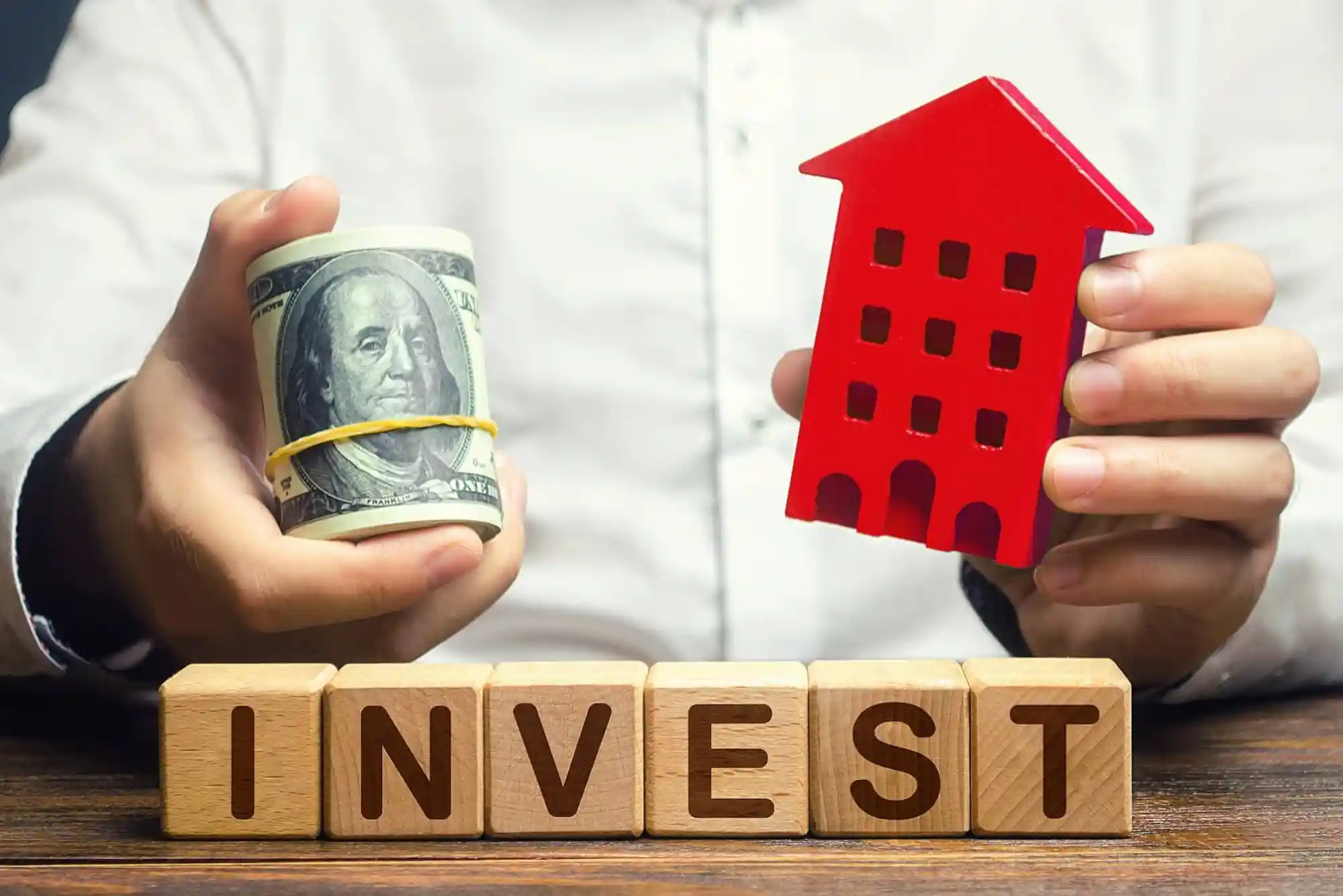
Entering the property market is a major milestone. Many beginners ask themselves, How Much to Invest in Real Estate? before taking the plunge. The right budget depends on your financial goals. It also depends on your location and risk tolerance. Buying property requires more than just a down payment. You must factor in closing costs and reserves. This comprehensive guide breaks down every financial detail. Let us help you figure out your ideal budget.
Understanding Your Financial Baseline
Before picking a property, look at your current finances. You need a clear picture of your net worth. Review your liquid cash and existing debt. Lenders look closely at your debt-to-income ratio. A lower ratio gives you better loan terms. Make sure you have a solid emergency fund. Never empty your savings account to buy property. Real estate is illiquid and ties up your cash. Keep at least six months of living expenses safe. This safety net protects you from sudden life changes. Knowing your baseline prevents costly financial mistakes.
The True Cost Beyond the Purchase Price
Many new investors make a critical budgeting error. They only look at the listing price. Property ownership involves several hidden upfront costs. Closing costs typically run between two and five percent. You also need to budget for immediate repairs. Even move-in ready homes need minor updates. Property taxes and insurance add to the yearly burden. Homeowners association fees can eat into profits. Always run the numbers on total project costs. Underestimating these expenses ruins cash flow projections. Leave a financial cushion for unexpected surprises.
Different Investment Strategies and Capital Needs
Different real estate strategies require vastly different budgets. Wholesaling requires very little of your own money. You simply assign a contract to another buyer. Fixing and flipping requires significantly more capital upfront. You need funds for purchase, renovation, and holding costs. Long-term rentals need a standard down payment. Commercial properties demand much larger financial commitments. REITs allow you to start with very small amounts. Match your strategy to your available investment capital. Do not stretch your finances too thin on day one.
Minimum Capital Required for Traditional Real Estate
Buying a physical property requires a substantial cash injection. Traditional investment properties usually require twenty percent down. Lenders view them as riskier than primary residences. Some programs allow fifteen percent down for multi-family units. Private lenders might finance up to ninety percent. However, they charge much higher interest rates. Hard money loans work well for short-term projects. They focus on the asset value rather than your income. Expect to pay higher fees for alternative financing options. Calculate your maximum leverage before signing any agreements.
Financing Options and Leverage Strategies
Leverage is a powerful tool in property investing. Using other people’s money accelerates portfolio growth. Conventional mortgages offer the most stable interest rates. FHA loans work if you live in the property. House hacking lets you buy a multi-family home easily. You live in one unit and rent the others. Seller financing is another creative funding method. It bypasses traditional bank restrictions and lengthy approvals. Partnership deals pool resources for larger commercial assets. Choose a financing model that matches your risk profile. Balance debt carefully to avoid negative cash flow.
Managing Risk and Building Your Portfolio
Risk management is crucial for long-term investing success. Diversification protects your capital from local market drops. Do not put all your money into one zip code. Start with a single property to learn the ropes. Scale up slowly as your cash flow increases. Keep your leverage at a manageable and safe level. Real estate cycles fluctuate over time. Ensure your properties can survive economic downturns. Consult financial advisors or experienced local investors. Prudent planning ensures sustainable wealth accumulation.
Do You Pay US Taxes if You Live Abroad? U.S. citizens and certain residents may still have U.S. tax obligations while living overseas. Understanding filing requirements, foreign income, tax exclusions, credits, and reporting rules can help you stay compliant. Learn what applies to your situation and how to manage your U.S. taxes while living abroad.
Frequently Asked Questions
How much money do I need to start investing in real estate?
You can start with as little as one hundred dollars using REITs. Physical property investments usually require ten to twenty thousand dollars. This covers a down payment and basic closing costs.
Can I buy a rental property with zero money down?
Zero down is very difficult with traditional lenders. Creative strategies like seller financing or partnerships make it possible. However, most experts advise having cash reserves ready.
Is real estate better than stocks for beginners?
Both asset classes offer distinct advantages and drawbacks. Real estate provides tangible assets and steady cash flow. Stocks offer higher liquidity and passive management. Your choice depends on your personal investment style.
Conclusion
Determining How Much to Invest in Real Estate? is a personal choice. It depends on your current financial health and goals. Take time to analyze your savings and risk tolerance. Factor in all hidden costs before buying a property. Start small and scale your portfolio over time. Prudent research leads to profitable investment decisions. Ready to take the next step in your journey? Set up a consultation with a local financial advisor today.


