

Introduction
Dry needling is becoming a popular treatment for muscle pain, tightness, and movement problems. Many people choose it to address trigger points and improve physical mobility. However, treatment costs can become a concern without health insurance. Understanding the price beforehand helps you plan your healthcare budget.
So, how much does dry needling cost without insurance? In the United States, a typical session costs approximately $50 to $150. However, some clinics charge $30 to $200 or more. The final price depends on your location, therapist’s experience, treatment duration, and clinic fees.
Before booking an appointment, it helps to understand the pricing structure. You should also consider how many sessions your condition might require. This guide explains typical costs, pricing factors, payment options, and ways to save money.
How Much Does Dry Needling Cost Without Insurance?
The average cost of dry needling without insurance ranges from $50 to $150 per session. However, prices vary between healthcare providers and geographical locations. Some physical therapy clinics offer lower introductory rates. Others charge additional fees for longer appointments or combined treatments.
For example, a basic dry needling appointment might cost $60. Meanwhile, a specialized session involving multiple muscle groups could cost $120. Therefore, requesting a complete price estimate before treatment is important.
Your total expenses also depend on treatment frequency. Some patients need only a few appointments. Others require several weeks of physical therapy and additional sessions.
What Factors Affect Dry Needling Costs?
Several factors influence how much patients pay for dry needling without insurance. Understanding these differences helps you compare clinics and choose affordable treatment.
Location of the Treatment Clinic
Geographical location plays an important role in healthcare pricing. Clinics in major cities often have higher operating expenses. Consequently, their treatment fees may exceed those of smaller towns.
For example, a clinic in New York or Los Angeles might charge more than a provider in a smaller community. Rent, staffing expenses, and local demand can influence treatment prices.
Therapist’s Experience and Qualifications
A therapist’s professional experience can also affect appointment costs. Experienced physical therapists may charge higher fees for specialized services. Their training and expertise can be valuable when treating complicated muscle conditions.
However, expensive treatment does not automatically guarantee better results. Always check professional qualifications, relevant experience, and patient reviews before choosing a provider.
Number of Muscles Treated
The treatment area can influence the final appointment price. Treating one muscle group may require less time than treating several areas.
For instance, someone experiencing shoulder tightness might need treatment in multiple muscles. A patient with back and leg discomfort could require a more extensive appointment. Additional treatment time may increase the overall cost.
Session Duration
Appointment length is another important pricing factor. Short sessions may cost less than extended appointments. Some clinics charge according to treatment time, while others use fixed appointment rates.
Therefore, ask whether your quoted price includes assessment, treatment, and follow-up recommendations.
How Much Does Dry Needling Cost Per Session?
Dry needling prices depend on the provider’s pricing structure. Most clinics charge separately for individual appointments. Some include dry needling within a broader physical therapy session.
A basic appointment may cost around $50 to $100. More comprehensive sessions can range from $100 to $150 or higher.
You should also ask whether the clinic charges an initial evaluation fee. Some providers require a consultation before beginning treatment. This assessment may create an additional expense.
Understanding the complete pricing structure prevents unexpected medical bills.
How Much Does Multiple Dry Needling Sessions Cost?
Some patients require multiple appointments to address persistent muscle discomfort. Therefore, calculating the potential total expense is important when paying without insurance.
For example, four sessions costing $75 each would total $300. Six appointments at $100 each would cost $600. These amounts exclude additional consultation or physical therapy fees.
However, treatment frequency depends on individual needs. Your therapist should recommend an appropriate schedule after assessing your condition.
Avoid purchasing unnecessary treatment packages. Instead, discuss your progress and expected treatment duration during follow-up appointments.
Does Insurance Cover Dry Needling?
Insurance coverage for dry needling varies considerably between providers and policies. Some health insurance companies may cover it under physical therapy benefits. Others consider it an additional service or exclude it entirely.
Even when physical therapy is covered, dry needling might have separate restrictions. Your policy may also require referrals, medical documentation, or prior authorization.
If you are paying without insurance, request the clinic’s self-pay rate. This helps you understand the actual cost without depending on insurance reimbursement.
Is Dry Needling Worth the Cost?
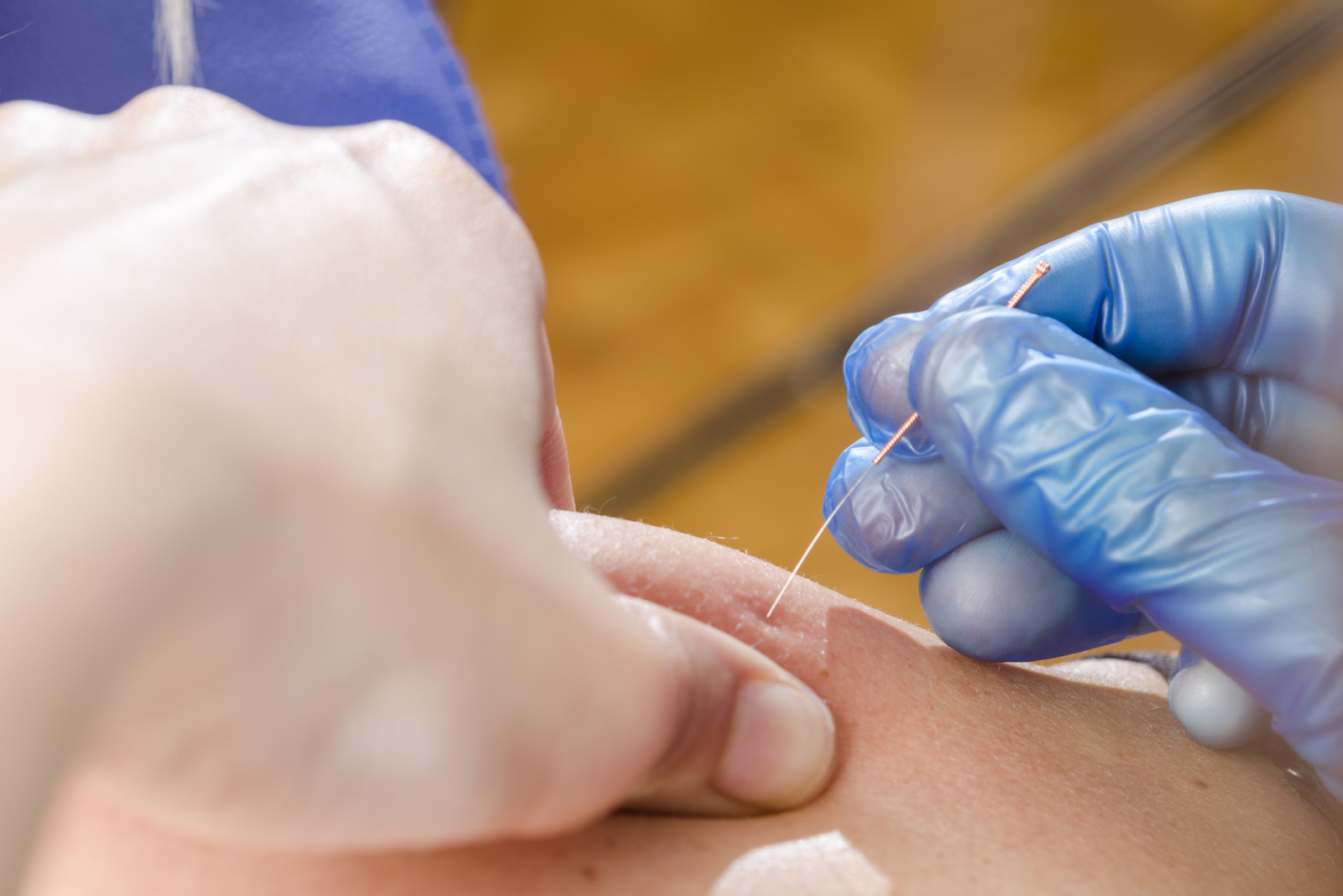
Dry needling may be worthwhile for people experiencing muscle tightness, trigger points, and certain movement-related problems. It involves inserting thin, solid needles into targeted muscles.
The technique aims to influence sensitive muscle areas and improve symptoms. Some patients experience temporary soreness following treatment. Others report improvements in discomfort and movement.
However, results differ between individuals. Research suggests potential benefits for certain musculoskeletal conditions, although evidence varies by condition and treatment approach.
Dry needling should not replace a complete rehabilitation plan when additional treatment is necessary. Physical therapy exercises, movement training, and appropriate recovery strategies may also help.
Discuss the potential benefits, limitations, and costs with a qualified healthcare professional before starting.
How Can You Save Money on Dry Needling Without Insurance?
Paying for treatment without insurance does not mean you must accept the highest available price. Comparing providers and understanding payment arrangements can help reduce expenses.
Start by contacting several physical therapy clinics. Ask about their standard session prices and self-pay discounts. Some providers offer reduced rates for patients paying directly.
You can also ask whether clinics provide treatment packages. However, compare the total package price with individual appointments. Make sure the package does not require unnecessary sessions.
Community healthcare centers and teaching clinics may offer affordable services. Their availability and treatment options depend on your location.
Another option is requesting a detailed treatment estimate. This should explain consultation fees, treatment charges, and possible additional expenses.
What Should You Ask Before Booking Dry Needling?
Before scheduling treatment, clarify the clinic’s complete pricing structure. Ask whether the first appointment includes an evaluation. Also, confirm whether follow-up sessions have different charges.
Find out whether dry needling is billed separately from physical therapy. Some clinics combine both services, while others charge individually.
You should also ask about cancellation policies and package expiration dates. These details can prevent unnecessary expenses.
Most importantly, confirm that your provider has appropriate training and credentials. Affordable treatment should never come at the expense of professional standards.
Understanding how life insurance works if you don’t die can help you choose the right policy. Depending on your coverage, you may receive maturity benefits, build cash value, or access savings during your lifetime. Knowing how different policies work helps you protect your family while making informed financial decisions.
Frequently Asked Questions
How much does one dry needling session cost?
One dry needling session generally costs between $50 and $150 without insurance. However, some clinics charge less or more depending on location, appointment length, and treatment complexity.
Is dry needling cheaper than physical therapy?
Dry needling can sometimes cost less than a complete physical therapy appointment. However, prices depend on the clinic and services included. Physical therapy may provide additional assessment, exercises, and rehabilitation guidance.
How many dry needling sessions do you usually need?
The number of sessions depends on your symptoms and treatment goals. Some patients benefit from a few appointments, while others need additional care. A qualified therapist can recommend an appropriate schedule.
Can I get dry needling without insurance?
Yes, many physical therapy clinics accept self-paying patients. You can book treatment without insurance by paying the clinic directly. Ask about self-pay rates before scheduling.
Does dry needling hurt?
Patients may experience a brief sensation during needle insertion or muscle stimulation. Temporary soreness afterward is also possible. Individual experiences vary depending on the treatment area and sensitivity.
Is dry needling covered by Medicare?
Medicare coverage depends on the specific service, provider qualifications, and applicable coverage rules. Do not assume dry needling is separately covered. Contact Medicare or your provider to confirm your situation.
Is dry needling worth paying for out of pocket?
It may be worthwhile for patients seeking relief from certain muscle-related symptoms. However, treatment effectiveness varies. Consider the expected benefits, professional advice, and total expense before committing.
Conclusion
Understanding how much does dry needling cost without insurance helps you make informed healthcare decisions. Most patients can expect to pay approximately $50 to $150 per session. However, location, therapist qualifications, appointment length, and treatment requirements influence the final price.