




Introduction
If you are wondering How Do I Invest in Index Funds?, you are already on the right path toward long-term financial growth. Index funds have become one of the most popular investment choices for beginners and experienced investors alike because they offer diversification, low fees, and steady returns over time.
At their core, index funds are designed to track a market index such as the S&P 500 or other broad financial benchmarks. Instead of trying to beat the market, they simply follow it. This makes them less risky compared to picking individual stocks while still offering strong growth potential.
Understanding How Do I Invest in Index Funds? is not just about buying a financial product. It is about building a disciplined approach to wealth creation that works over years, even decades. In this article, you will learn exactly how index funds work, how to start investing, and what mistakes to avoid along the way.
What Are Index Funds and Why They Matter
Before answering How Do I Invest in Index Funds?, it is important to understand what they actually are. An index fund is a type of mutual fund or exchange-traded fund that mirrors a specific market index. This means it holds the same companies in the same proportions as the index it tracks.
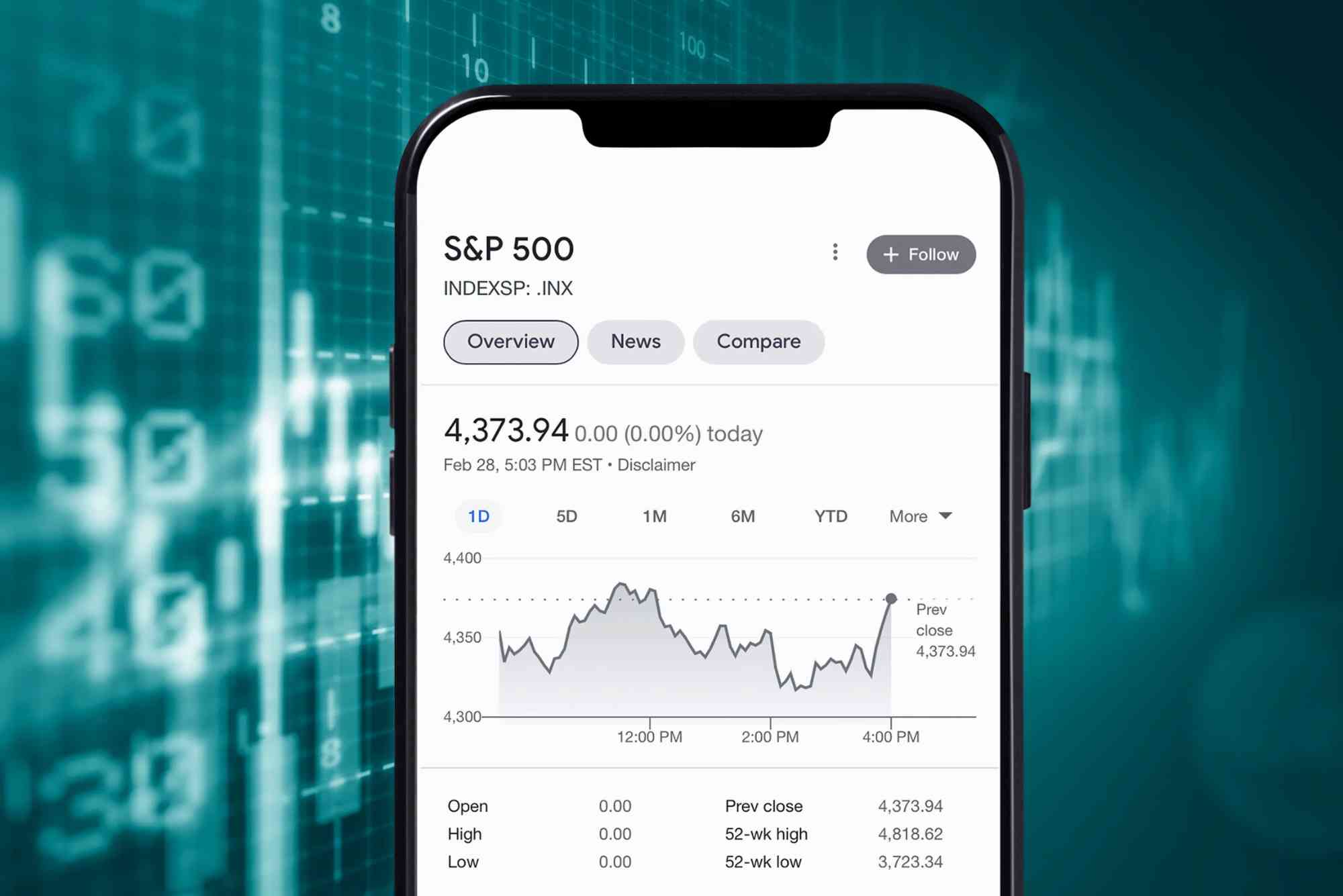
For example, an S&P 500 index fund includes shares of 500 large U.S. companies. Instead of relying on a fund manager to pick winners, the fund automatically follows the index.
This structure is what makes index investing so powerful. It reduces emotional decision-making, lowers management costs, and spreads risk across many companies. When investors ask How Do I Invest in Index Funds?, they are often looking for this balance between simplicity and performance.


Index funds are especially useful for long-term goals such as retirement, education savings, or wealth building because they grow steadily with the overall economy.
How Index Funds Actually Work
To fully understand How Do I Invest in Index Funds?, you need to know how they function behind the scenes. Index funds operate on a passive investment strategy. Instead of actively selecting stocks, they replicate the performance of a market index.
This means when the index goes up, the fund goes up. When the index falls, the fund also declines. However, because markets historically trend upward over time, index funds tend to deliver positive returns in the long run.
Another important factor is cost efficiency. Since there is no active stock picking, index funds have lower expense ratios. This means more of your money stays invested instead of going to management fees.
When investors explore How Do I Invest in Index Funds?, they are often surprised by how simple the structure is compared to traditional investing methods.
Steps to Start Investing in Index Funds
Understanding How Do I Invest in Index Funds? becomes easier when you break the process into practical actions. While the steps may seem simple, each one plays a critical role in building a strong investment portfolio.
The first step is choosing a reliable investment platform. This could be a brokerage account, a retirement account, or a financial app depending on your location and goals. The platform acts as your gateway to buying index funds.
Next, you need to decide what type of index fund fits your goals. Some investors prefer broad market funds, while others choose sector-specific or international index funds. This decision should depend on your risk tolerance and investment timeline.
After selecting the fund, the next step involves deciding how much to invest. Many beginners start with small monthly contributions. This strategy, known as consistent investing, helps reduce the impact of market volatility over time.
Once your investment is made, the final step is patience. Index investing works best when left untouched for years. This is where most people misunderstand How Do I Invest in Index Funds?, thinking it requires frequent changes. In reality, consistency matters more than activity.
Choosing the Right Investment Platform
A major part of learning How Do I Invest in Index Funds? is selecting the right platform. Your investment platform determines your access, fees, and overall experience.
Most investors use online brokers or financial apps because they offer easy account setup and low costs. Some platforms also provide educational tools that help beginners understand market trends.
When selecting a platform, it is important to consider transaction fees, ease of use, and available fund options. A good platform should allow you to invest in a variety of index funds without hidden charges.
For long-term investors, automated investing features can also be helpful. These features allow you to invest regularly without manually placing orders every time.
Understanding Risk and Returns
Another important aspect of How Do I Invest in Index Funds? is understanding risk. While index funds are considered safer than individual stocks, they are still affected by market fluctuations.
Market downturns are normal, and index funds will experience temporary declines. However, historical data shows that markets tend to recover and grow over time. This is why long-term commitment is essential.
Returns from index funds are generally linked to the overall economy. This means your investment grows as businesses grow. It is not a fast-get-rich strategy, but rather a stable wealth-building approach.
Investors who understand How Do I Invest in Index Funds? often succeed because they stay invested during market ups and downs instead of reacting emotionally.
Common Mistakes to Avoid
When learning How Do I Invest in Index Funds?, avoiding common mistakes can significantly improve your results.
One major mistake is trying to time the market. Many beginners wait for the “perfect moment” to invest, but this often leads to missed opportunities. Index investing works best when started early.
Another mistake is withdrawing investments too soon. Index funds are designed for long-term growth, not short-term gains. Pulling money out during downturns can lock in losses unnecessarily.
Some investors also choose funds with unnecessarily high fees. Even small fee differences can impact long-term returns. Always compare expense ratios before investing.
By avoiding these mistakes, your journey with How Do I Invest in Index Funds? becomes more stable and rewarding.
Why Index Funds Are Ideal for Beginners
For beginners, How Do I Invest in Index Funds? is one of the best financial questions to explore. Index funds simplify investing by removing the need to analyze individual stocks.
They also provide instant diversification. Instead of investing in a single company, your money is spread across many businesses. This reduces risk significantly.
Another advantage is consistency. Index funds do not require constant monitoring. This makes them ideal for people who want to invest without spending hours tracking markets.
Because of these benefits, many financial experts recommend index funds as a starting point for new investors.
Long-Term Strategy for Index Investing
A successful approach to How Do I Invest in Index Funds? involves long-term thinking. Investing is not about quick profits but steady growth over time.
Reinvesting returns can significantly increase your wealth through compounding. This means your earnings also start generating earnings.
Regular contributions, even small ones, can grow into a large portfolio over time. Staying invested during market cycles is key to success.
The most important factor is discipline. Once you understand How Do I Invest in Index Funds?, the next step is consistency in applying what you have learned.
Conclusion
Learning How Do I Invest in Index Funds? is one of the smartest financial decisions you can make. Index funds offer simplicity, diversification, and long-term growth potential that suits almost every type of investor.
Whether you are just starting your financial journey or looking to strengthen your portfolio, index funds provide a reliable foundation for building wealth.
If you are ready to take control of your financial future, start small, stay consistent, and focus on long-term results. Open an investment account today and begin your journey toward financial independence through index investing.
FAQ
What is the easiest way to start investing in index funds?
The easiest way is to open a brokerage account, choose a low-cost index fund, and invest regularly over time.
Is investing in index funds safe for beginners?
Index funds are generally safer than individual stocks because they spread risk across many companies.
How much money do I need to start?
You can start with a small amount depending on the platform, even with modest monthly contributions.
How long should I stay invested in index funds?
Index funds are best suited for long-term investing, often 5 to 10 years or more.
Can I lose money in index funds?
Yes, short-term losses can happen, but long-term trends historically show growth in diversified index funds.
Investing in the stock market in Pakistan is a smart way to grow your wealth over time. To start, you need to open an account with a licensed broker or a digital trading platform registered with the Pakistan Stock Exchange (PSX). Learn the basics of market trends, diversify your investments, and start with small amounts. Always research companies before investing and focus on long-term financial goals for better returns.