



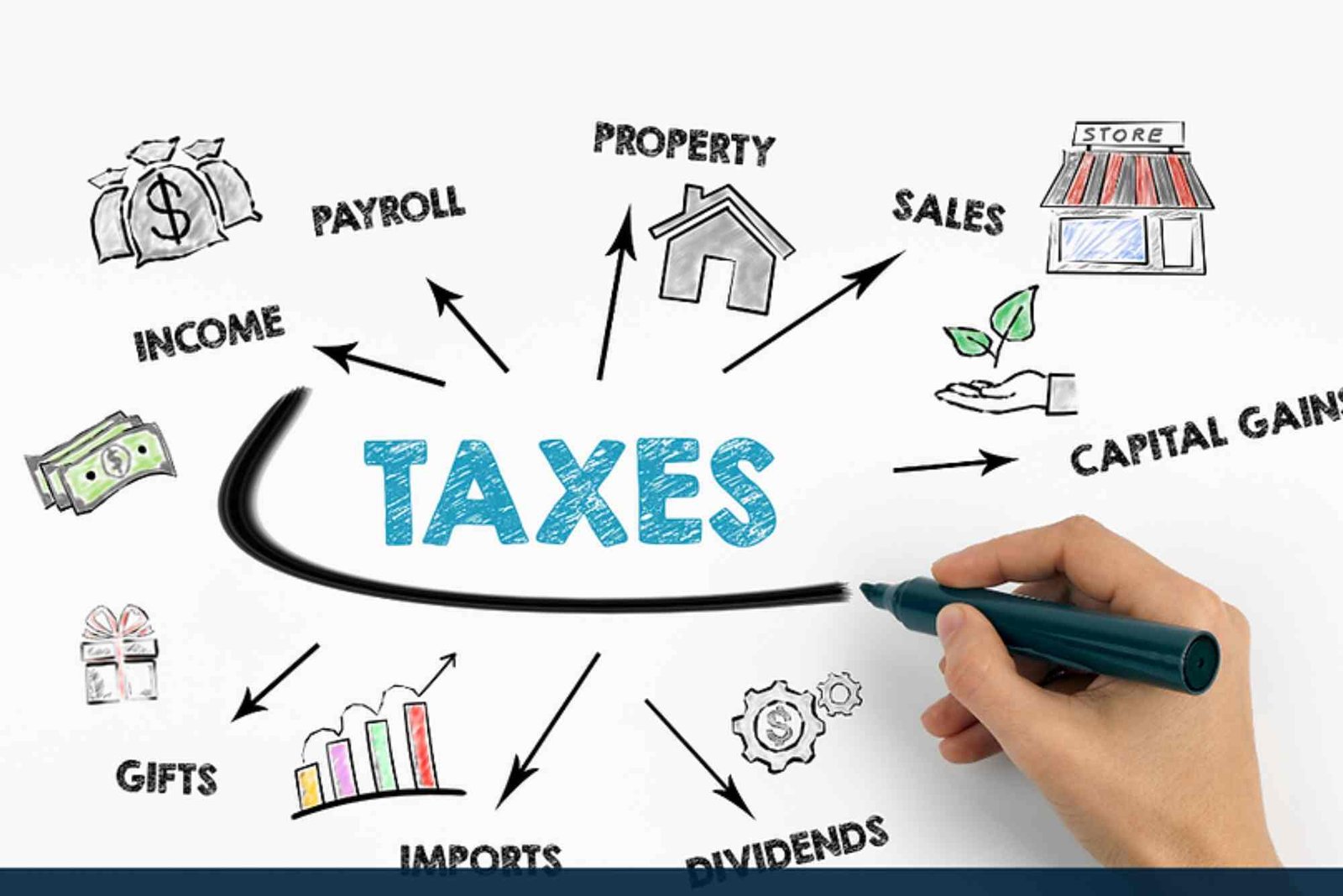

Do International Students Pay Taxes?
Navigating taxes as an international student can feel overwhelming. Many students wonder, do international students pay taxes? The answer depends on several factors including visa type, income source, and time spent in the country. Understanding your obligations helps avoid penalties and ensures compliance with local laws.
Understanding Tax Obligations for International Students
International students in the US are typically on F-1, J-1, or M-1 visas. While these visas allow studying, they do not exempt students from paying taxes if they earn income. Income may come from jobs, internships, scholarships, or stipends. Knowing what is taxable is essential.
Residency Status and Taxes
Your tax responsibility depends on your residency status, which can be nonresident alien or resident alien for tax purposes. The IRS uses the Substantial Presence Test to determine your status:
- Nonresident Alien: Usually applies to students who have been in the US for fewer than five calendar years. Nonresident aliens pay taxes only on US-sourced income.
- Resident Alien: Students who pass the Substantial Presence Test are treated like US residents for tax purposes and must report worldwide income.
Taxable Income Sources
Not all income is taxed equally. Common sources for international students include:
- On-campus jobs: Wages earned at the university.
- Practical Training (OPT/CPT): Income from approved internships or training programs.
- Scholarships and Fellowships: Taxed only if used for living expenses, not tuition.
Do International Students Pay Federal Taxes?
Yes, most international students pay federal taxes if they earn taxable income. The tax is calculated based on your income level, filing status, and applicable exemptions.
Federal Income Tax Filing
International students must file either Form 1040NR (nonresident) or Form 1040 (resident). Filing deadlines typically fall on April 15 each year. Even students with no income must file Form 8843 to declare their status.


Tax Treaties and Exemptions
Some countries have tax treaties with the US that exempt certain student incomes from federal taxes. For example, Canadian or Indian students may receive exemptions on scholarships or wages. It is vital to review IRS publications and treaty details to claim exemptions correctly.
State and Local Taxes
Besides federal taxes, international students may owe state and local taxes depending on where they live. Some states, like Texas and Florida, have no state income tax, while others, like California or New York, require residents to file state returns. Local taxes, like city or county taxes, may also apply.
Filing State Taxes
Each state has its own forms, deadlines, and exemptions. Many universities provide guidance or workshops to help students navigate state tax filing. Ignoring state taxes can lead to penalties and interest charges.
Social Security and Medicare Taxes
International students on F-1 or J-1 visas are generally exempt from Social Security and Medicare taxes for the first five years in the US. Once the student becomes a resident alien, these taxes may apply to wages. Employers should be aware of this exemption and may provide guidance during onboarding.
Common Mistakes International Students Make
International students often make errors when filing taxes:
- Failing to file Form 8843
- Misreporting income or tax exemptions
- Ignoring state and local taxes
- Confusing scholarship reporting rules
Avoiding these mistakes can save time, money, and stress. Universities often provide workshops or access to certified tax professionals for guidance.
Tips to Stay Compliant
Staying compliant with tax obligations is easier when you follow these steps:
- Keep detailed records of income, scholarships, and expenses
- File taxes on time and accurately
- Use tax software designed for international students
- Seek professional assistance if unsure about treaty exemptions
Being proactive ensures you do not face penalties or issues with future visa applications.
In short, international students do pay taxes under certain circumstances. Federal, state, and sometimes local taxes may apply to wages, internships, and living expenses. Understanding residency status, tax treaties, and filing requirements is crucial for compliance.
To make tax season easier, start early, maintain clear records, and consider professional help if needed. Staying informed today protects your financial future and ensures peace of mind.
Review your tax status now and file accurately to avoid penalties. Consult your university’s tax office or a tax professional for guidance.
financer.ae is a modern online platform designed to simplify financial decisions for individuals and businesses. It connects users with trusted loan providers, financial tools, and expert guidance, helping them compare options easily. With a user-friendly interface and reliable resources, financer.ae supports smarter borrowing, better financial planning, and secure transactions, making it a valuable destination for managing personal and business finances effectively.
FAQ
Do international students pay taxes on scholarships?
Yes, scholarships used for living expenses are taxable. Tuition scholarships are generally tax-exempt.
Are international students required to file taxes if they have no income?
Yes, even with no income, students must file Form 8843 to declare their nonresident status.
How can I know if my country has a tax treaty with the US?
The IRS publishes a full list of countries with tax treaties. Review the publication to claim exemptions correctly.
Are state taxes different from federal taxes for international students?
Yes, state tax laws vary. Some states have no income tax, while others require residents to file state returns.
Can international students avoid Social Security and Medicare taxes?
Yes, students on F-1 or J-1 visas are generally exempt for the first five years in the US.
What happens if I don’t file taxes on time?
Failing to file can result in penalties, interest, and complications for future visa or immigration applications.