




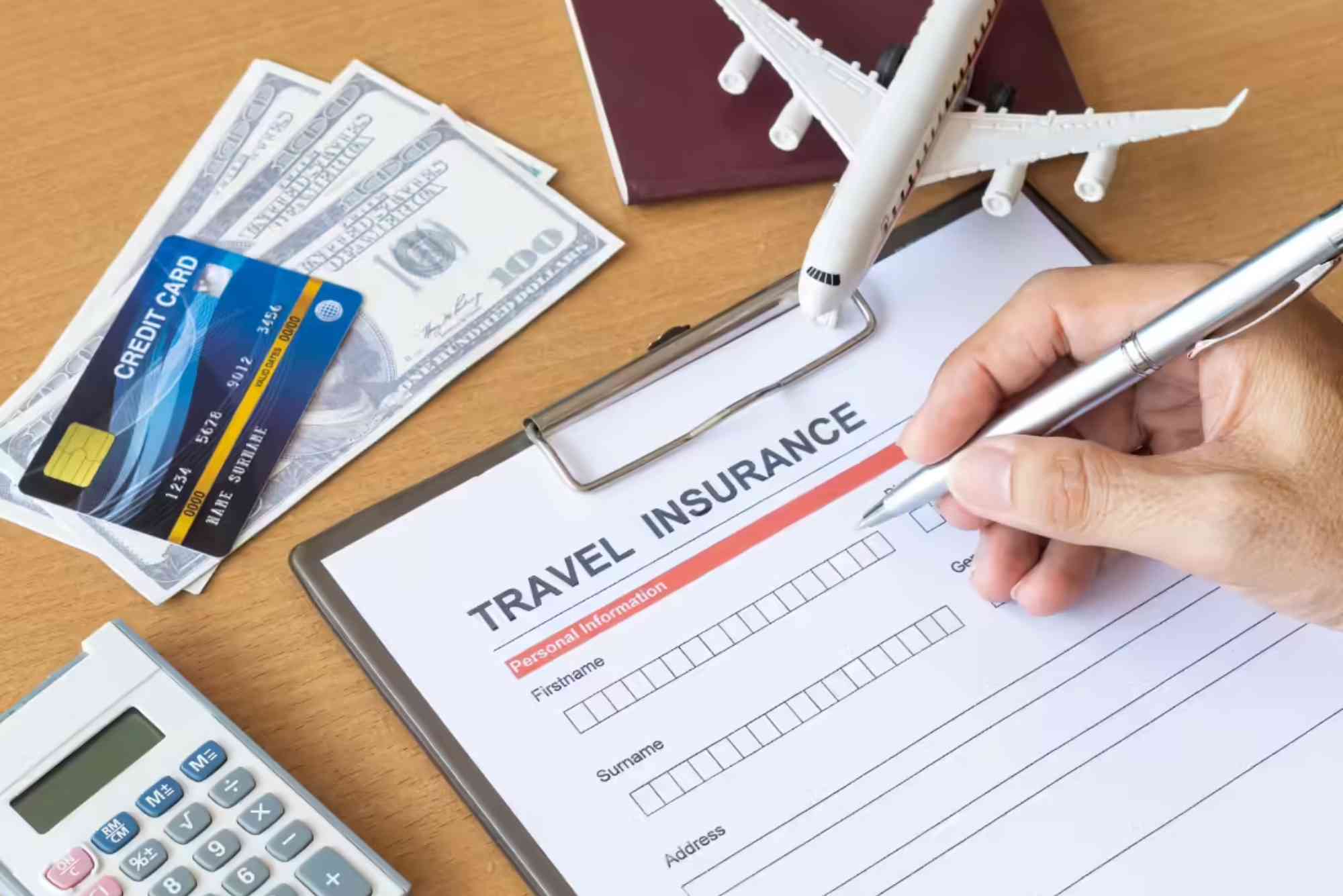
Planning a trip to the UAE and wondering do I need travel insurance in the UAE? You’re not alone. Whether you’re traveling for business, leisure, or even relocation, understanding travel insurance requirements is essential. In this comprehensive guide, you’ll learn what travel insurance covers, why it’s important in the UAE, common pitfalls, and how to choose the best policy for your needs.
Travel insurance isn’t just a document you buy and forget about. It’s peace of mind in uncertain situations. From unexpected medical emergencies to lost luggage, your policy can save you stress and cost. Let’s explore this topic in-depth so you can travel confidently and with clarity.
What Is Travel Insurance?
Travel insurance is a financial safeguard designed to cover unforeseen expenses while traveling. It usually includes medical emergency coverage, trip cancellation reimbursement, lost baggage protection, and more. A robust travel insurance plan ensures that you won’t be left stranded or out of pocket if the unexpected happens.
Before traveling to the UAE, it’s important to understand the types of coverage available and how they apply to your specific situation. Policies vary by provider and destination, so reading the fine print is always vital.
Why Travel Insurance Matters in the UAE
Many travelers think their health insurance will cover them abroad or that nothing will go wrong on a well-planned trip. Unfortunately, that’s rarely the case. If you’re asking “do I need travel insurance in the UAE,” consider how different the healthcare system and travel regulations are compared to your home country.
Healthcare costs in the UAE are high, and treatment without insurance can be expensive. Insurance also assists with evacuation, repatriation, and unforeseen travel interruptions. With a proper travel insurance plan, you can avoid financial strain in difficult situations.


Additionally, some visas and flight providers require proof of travel insurance before approval. Failing to provide it can delay travel plans or entry into the UAE.
Understanding UAE Travel Insurance Requirements
Travel insurance requirements in the UAE differ depending on your nationality, visa type, and vaccination or health policies at the time of travel. For some visas, proof of travel insurance with specific coverage amounts is mandatory. Always check the latest UAE government travel advisory or your airline’s policy, as requirements can change.
For example, long-term visit visas and residency permits sometimes ask for health insurance with high minimum coverage. Short tourist stays might not mandate a policy, but having one is strongly recommended due to potential medical and travel risks.
What Travel Insurance Covers in the UAE
Travel insurance typically covers four main areas: medical emergencies, trip cancellation, baggage issues, and travel assistance. However, coverage limits and exclusions vary widely.
Medical Emergencies and Evacuation
The biggest reason to have travel insurance is medical coverage. This includes hospital visits, doctor fees, prescriptions, and emergency evacuation. In the UAE, medical costs can skyrocket, especially in private hospitals. If you’re injured or fall seriously ill, your travel insurance can shoulder most of the expenses.
Emergency evacuation is another vital benefit. If you need to be transported to your home country for specialized care, insurance can handle these high costs.
Trip Cancellation and Interruption
Imagine your flight is canceled due to a family emergency, or you fall sick days before departure. Trip cancellation coverage reimburses non‑refundable costs such as flights and hotel bookings. This can save you significant money when plans change unexpectedly.
If your trip is interrupted mid‑travel, travel insurance can also cover additional expenses to return home or reconnect with your itinerary.
Lost Baggage and Personal Items
Airlines lose luggage more often than travelers think. Travel insurance helps replace your belongings if they’re lost, stolen, or damaged. While this may seem minor compared to medical coverage, replacing electronics or valuable items can be costly without protection.
Additional Benefits and Assistance
Some travel insurance plans include extra features like 24/7 travel assistance hotlines, legal support, or rental car coverage. These services are helpful in unfamiliar environments and can provide guidance during stressful situations.
Common Misconceptions About Travel Insurance
Many travelers make assumptions that lead to inadequate coverage. One common myth is that travel insurance is only for international flights. In reality, some domestic policies also apply to trips within the UAE if purchased in advance.
Another misconception is that credit card benefits provide full travel insurance coverage. Credit card travel insurance might only cover limited situations and lower payout limits, leaving gaps in your protection.
How Much Does Travel Insurance Cost?
The cost of travel insurance depends on several factors, including your age, trip duration, destination, and coverage limits. Generally, travel insurance is a small percentage of your total trip cost, often between 4–10%. Considering the financial protection it offers, that cost is usually worth it.
To get the best price, compare quotes from multiple providers. Look at what is covered rather than just choosing the cheapest option. The lowest premium might not provide adequate protection in a real emergency.
Choosing the Right Policy for Your UAE Trip
Selecting the right travel insurance plan starts with understanding your travel needs. If you’re healthy and only visiting for a short vacation, a basic plan might suffice. However, if you have pre‑existing medical conditions or plan to engage in adventurous activities, you might need more comprehensive coverage.
Before buying a policy, read the fine print carefully. Check exclusions, maximum payout limits, and whether your activities are covered. Policies that cover adventurous sports are often pricier but essential if you plan to try activities like skydiving or desert excursions.
Are There Travel Insurance Requirements for UAE Visas?
Some UAE visas require travelers to present proof of insurance with specific minimum coverage levels. Requirements vary by visa category and nationality. For example, long‑term residency visas may require extensive health insurance before issuance.
Even if your visa doesn’t require it, purchasing travel insurance before departure is still recommended. Ensure your policy starts on your travel date and extends through your entire stay.
Health Insurance vs. Travel Insurance in the UAE
Travelers often confuse travel insurance with local health insurance. In the UAE, residents and long‑term workers are typically required to have comprehensive local health insurance provided by an employer or sponsor. Tourists, however, rely on travel insurance.
Travel insurance covers medical emergencies abroad, while local health insurance typically applies once you become a resident. If you plan to move to the UAE for work or study, verify local health insurance requirements through your sponsor or employer.
Real‑Life Scenarios Where Travel Insurance Helped
Travel insurance isn’t theoretical—it solves real problems. One traveler experienced severe food poisoning and required emergency treatment. Without insurance, the hospital bill was thousands of dollars. With insurance, most costs were covered, saving the traveler from financial ruin.
In another case, a flight cancellation due to weather stranded a family in Dubai. Their travel insurance reimbursed unexpected accommodation and rebooking costs, reducing stress during the ordeal.
These scenarios illustrate why having travel insurance in the UAE isn’t just convenient—it’s critical.
What Happens If I Don’t Have Travel Insurance?
Without travel insurance, you bear all financial risks. This could mean paying hefty medical bills, losing money from canceled trips, or replacing valuable items out of pocket. In worst‑case situations, lack of insurance can lead to debt or compromised care quality due to cost concerns.
Though some travelers skip insurance to save upfront costs, the potential financial exposure far outweighs the premium savings.
Tips for Filing a Travel Insurance Claim
To ensure a smooth claim experience, file as soon as an incident occurs. Keep all documentation, including medical reports, receipts, and police reports if required. Contact your insurer’s 24/7 support line for guidance. Prompt communication and proper documentation increase your chance of a successful claim.
Travel Insurance for Families and Groups
If you’re traveling with family or a group, consider a multi‑person policy. These plans often offer better value and centralized coverage. Ensure that each traveler’s needs are addressed, especially minors and older adults. Group policies simplify administration and reduce stress during claims.
Seasonal Travel Insurance Considerations
Travel seasons affect both costs and coverage needs. During peak seasons like holidays, flights and hotels are more expensive, so trip cancellation coverage can be especially valuable. Weather‑related cancellations are more likely during certain times of year, which strengthens the case for robust protection.
COVID‑19 and Travel Insurance in the UAE
The COVID‑19 pandemic reshaped global travel insurance. Many policies now include coverage for COVID‑related medical treatment and trip interruptions, but coverage terms vary. Always check whether illness related to infectious diseases is included, especially if travel restrictions or outbreaks occur.
How to Compare Travel Insurance Providers
When comparing providers, look beyond price. Study coverage limits, exclusions, customer reviews, claim processing times, and additional benefits. Trusted global insurers often offer more reliable support. Online comparison tools can help you evaluate multiple plans side by side. Independent review sites provide insight into real‑customer experiences.
Choosing a provider with solid reviews and transparent policies helps ensure you’ll receive support when needed.
Do I Need Travel Insurance in the UAE?
In short, yes—travel insurance when visiting the UAE isn’t just a recommendation; it’s a smart decision. The cost of unexpected medical care, trip interruptions, or lost belongings can far exceed the price of a travel insurance policy. Even if it isn’t legally required for your visa, travel insurance offers peace of mind and financial protection.
Traveling without insurance exposes you to unnecessary risk. Investing in a reliable travel insurance plan ensures you can enjoy your trip without worrying about what might go wrong.
If you haven’t already, take time today to compare travel insurance options and choose a policy that fits your needs and budget. Your future self will thank you.
FAQ
Do I need travel insurance if I have health insurance at home?
Most domestic health insurance plans don’t cover treatment abroad. Travel insurance bridges that gap and covers emergencies you might face while in the UAE.
Does travel insurance cover COVID‑19 treatment in the UAE?
Coverage for COVID‑19 varies by policy. Many insurers now include it, but you must confirm before purchase.
What is the minimum travel insurance required for a UAE visa?
Requirements change depending on visa type and nationality. Always check official UAE government or immigration guidelines before applying.
Will travel insurance cover lost flights or delayed connections?
Yes, most travel insurance policies cover trip cancellations and interruptions due to unforeseen circumstances.
Can travel insurance be bought after booking flights?
Yes, but it’s best to purchase it immediately after booking so you’re covered for trip cancellation reasons that may occur before travel.
Can I Pay Car Insurance in Installments in the UAE? Yes, many UAE insurers allow car insurance payments in installments, making it easier to manage costs. Options typically include monthly, quarterly, or semi-annual plans. While convenient, some plans may include service fees or interest, so comparing providers is essential to find the best deal for your budget.