


Introudction
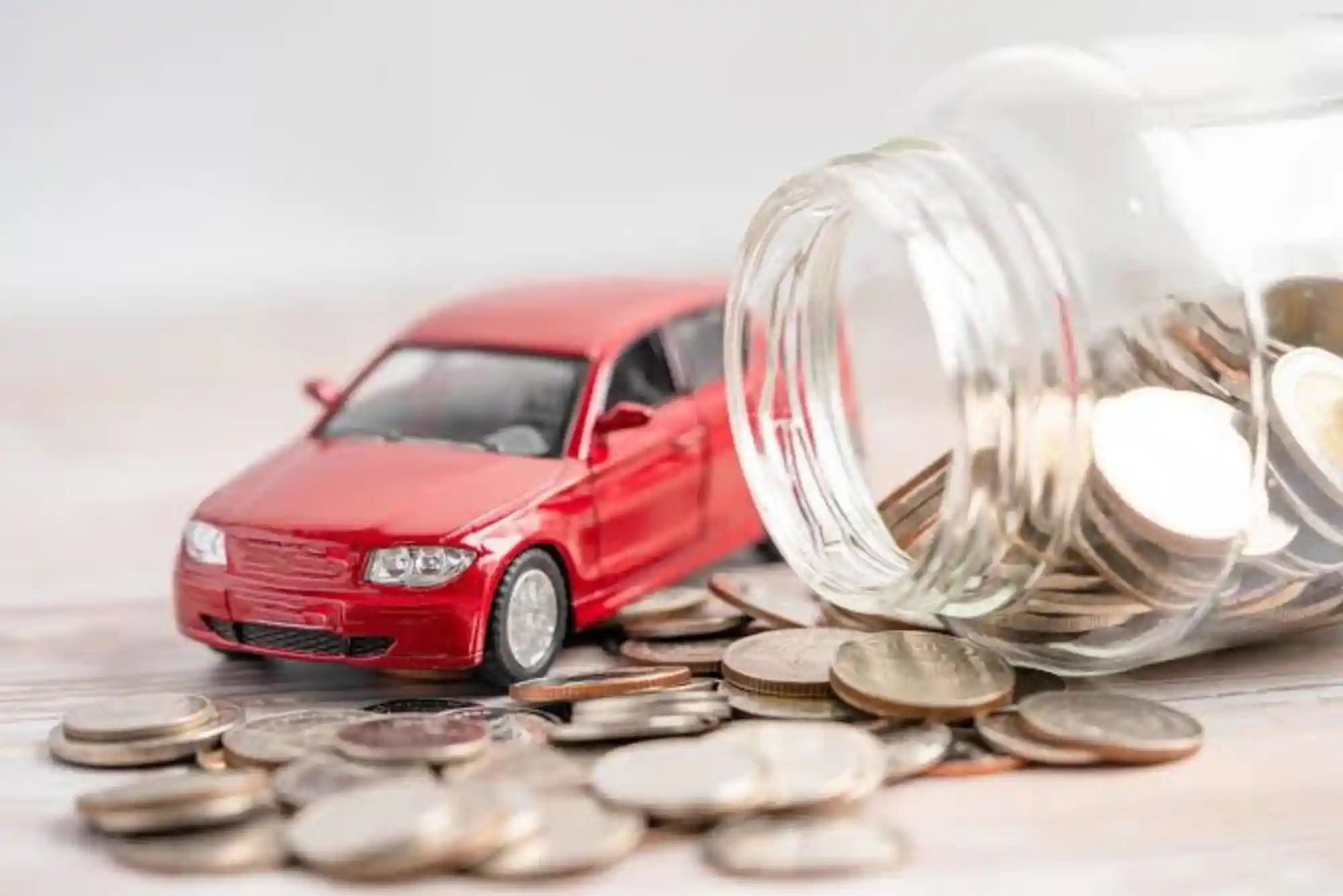
If you need access to cash but do not want to rely entirely on an unsecured personal loan, you may be wondering, can I use my car to get a loan? In many cases, the answer is yes. A vehicle can potentially be used as collateral for a secured loan, depending on the lender, the car’s value, your ownership status, and your financial circumstances.
Using your car as security can make borrowing possible when a conventional loan is difficult to obtain. However, it also means putting an important personal asset at risk. Before signing an agreement, it is important to understand exactly how the arrangement works, how much you may be able to borrow, what costs are involved, and what could happen if you cannot keep up with repayments.
This guide explains can I use my car to get a loan in straightforward terms so you can make a more informed borrowing decision.
Can I Use My Car to Get a Loan?
Yes, you may be able to use your car as collateral for a loan. This type of borrowing is generally known as a secured loan or a loan against a vehicle.
Instead of approving the loan solely according to your income and credit history, the lender considers the value of the vehicle as additional security. The lender may assess the car’s age, condition, make, model, market value, and existing finance.
The exact arrangement differs between financial institutions. Some lenders may offer a dedicated loan against a vehicle, while others may have different secured-finance products.
If you are asking can I use my car to get a loan because you need money quickly, do not assume that the value of your car automatically determines how much you can borrow. Your income, existing debts, repayment capacity, and the lender’s policies can all affect the final decision.
How Does a Car-Secured Loan Work?
When you use your car as collateral, the vehicle provides security for the money you borrow.
First, the lender evaluates your application and the vehicle. The lender may request documents proving ownership, vehicle registration information, identification, income details, and information about any existing finance on the car.
If your application is approved, the lender provides the agreed amount under the terms of the loan. You then make repayments over the agreed period.
The important difference from an unsecured loan is the collateral. If you fail to meet the repayment terms, the lender may have rights over the secured vehicle according to the loan agreement and applicable regulations.
That is why the question can I use my car to get a loan should always be followed by another question: can I comfortably afford the repayments?
Do I Need to Own My Car Outright?
Not necessarily, but this depends on the lender and the existing finance attached to the vehicle.
If you still have an outstanding car loan, the vehicle may already be serving as security for another lender. This can make using the same vehicle as collateral more complicated.
If you own the car outright, the process may be more straightforward because there is no existing vehicle-finance balance competing for the lender’s security position.
You should never assume that having a car registered in your name automatically means you can use it as collateral. The lender will need to establish whether you have sufficient ownership or equity in the vehicle and whether the car meets its lending requirements.
How Much Can I Borrow Against My Car?
There is no universal amount that every borrower can receive. The amount depends on the lender’s assessment of your vehicle and your ability to repay the loan.
The car’s current market value is an important consideration. A newer vehicle in good condition may provide stronger collateral than an older car with substantial depreciation or mechanical problems.
However, lenders normally do not simply hand you the full market value of the vehicle. They may apply their own valuation methods and lending limits.
Your income and existing financial commitments can also affect the amount you qualify for. A high-value vehicle does not necessarily mean you will qualify for a large loan if the proposed repayments are not affordable.
For that reason, focus on the total cost and monthly repayment rather than simply asking how much cash you can obtain.
What Factors Affect the Loan Amount?
Vehicle Value
The lender will usually consider what the vehicle is worth in the current market rather than what you originally paid for it. Depreciation means the current value may be significantly different from the purchase price.
Vehicle Age and Condition
Older cars may have lower valuations. Mileage, maintenance history, accident history, and general condition can also influence how a lender views the vehicle.
Existing Finance
If you still owe money on the car, the outstanding balance can affect how much usable equity remains.
Your Income
A lender needs confidence that you can make the required payments. Stable and sufficient income can therefore play an important role in approval.
Credit History
Secured borrowing does not necessarily mean your credit history becomes irrelevant. Lenders may still examine your previous borrowing behaviour and current obligations.
What Are the Benefits of Using a Car as Collateral?
One potential advantage is that secured borrowing can provide an alternative when an unsecured loan is not suitable.
Because the lender has an asset providing security, the risk may be different from an unsecured loan. Depending on the lender and borrower, this can sometimes result in more competitive financing terms.
Another potential advantage is that you may be able to access financing without selling your vehicle. In arrangements where the borrower continues using the car, the vehicle remains part of everyday life while also serving as security for the borrowing.
This can be useful for someone who needs funds for a major expense but does not want to dispose of an essential vehicle.
However, these benefits should always be considered alongside the risks.
What Are the Risks of Using Your Car for a Loan?
The biggest risk is straightforward: the car is being used to secure the debt.
If you fail to make repayments according to the agreement, the lender may have the right to take action against the vehicle. Losing a car can create serious practical problems, particularly if you rely on it for commuting, work, family responsibilities, or business activities.
There is also the possibility of borrowing more than you can realistically afford simply because you have an asset that can be used as security.
Before accepting the loan, calculate the full monthly cost and consider what would happen if your income fell or an unexpected expense appeared.
A secured loan should never be viewed as “easy money.” The collateral reduces some of the lender’s risk, but it does not remove your obligation to repay the debt.
Can I Use My Car to Get a Loan If I Have Bad Credit?
Possibly, but approval is not guaranteed.
Using a car as collateral may give lenders additional security, but they can still consider your credit history, income, existing debts, and overall financial position.
If your credit history is weak, do not automatically assume that securing the loan with your vehicle will solve every problem. A lender may still decide that the proposed borrowing is unaffordable or does not meet its criteria.
It is also particularly important for borrowers with financial difficulties to compare the total repayment cost. A loan that appears accessible at first can become expensive if fees, interest, or other charges are high.
Can I Use My Car to Get a Loan Without Giving Up the Car?
In some secured vehicle-finance arrangements, borrowers may continue using their vehicle while it serves as collateral. However, the exact conditions depend on the lender and the agreement.
This is an important distinction because “using your car as collateral” does not automatically mean handing your keys to the lender.
Instead, the lender may establish a legal security interest over the vehicle. The specific registration, ownership, insurance, usage, and repayment conditions should be clearly explained before you sign.
Always read the agreement carefully and ask the lender what happens to the vehicle if you sell it, refinance the loan, miss payments, or pay the balance early.
What Documents May Be Required?
The documentation varies by lender, but borrowers can generally expect to provide identification and information about their income and financial position.
Vehicle-related documentation may also be required, including registration information and evidence of ownership. The lender may need details about the vehicle’s make, model, year, condition, and existing finance.
Providing accurate information is important. If the lender discovers that important details were omitted or incorrectly provided, it could delay the application or affect the financing decision.
Is Using Your Car as Collateral Better Than a Personal Loan?
There is no single answer because the better option depends on your circumstances.
An unsecured personal loan does not normally require you to pledge a specific asset, which means your car is not directly tied to that debt as collateral. However, the lender may assess your creditworthiness more heavily.
A secured loan can use your vehicle to provide additional security, but that introduces a significant risk: the asset securing the borrowing may be affected if you do not meet the agreement.
When comparing the two options, look beyond the advertised interest rate. Consider the total amount repayable, fees, loan term, monthly instalment, early-settlement conditions, and consequences of missed payments.
The cheapest-looking option is not necessarily the most suitable one.
What Should I Check Before Using My Car as Security?
Before accepting any car-secured financing, make sure you understand exactly what you are agreeing to.
Start by checking the total amount you will repay rather than focusing only on the amount you receive. Then review the repayment schedule and make sure the instalments fit comfortably within your monthly budget.
You should also understand what happens if you miss a payment. Ask specifically about late-payment charges, default procedures, vehicle repossession or other enforcement measures, and whether additional costs can arise.
It is equally important to confirm whether you are allowed to sell or transfer the vehicle while the loan is outstanding.
If you are considering borrowing for a property-related purpose, remember that vehicle financing is only one possible route. For example, if you are exploring land purchases, you may also want to understand Can You Get a Mortgage for Land? before deciding how to structure your finances.
When Might a Car-Secured Loan Make Sense?
Using your car as collateral can potentially make sense when you have a genuine financial need, own sufficient vehicle equity, and have a reliable repayment plan.
It may be particularly relevant when you need a structured amount of borrowing and prefer secured financing over selling an asset or using another form of expensive short-term credit.
The key is affordability. If the monthly payment would leave little room for household expenses, emergencies, insurance, fuel, maintenance, and other commitments, the loan may create more financial pressure than it solves.
Your car is not just an asset on paper. For many people, it is essential to earning an income and managing everyday life. Its importance should therefore be considered when assessing the risk of using it as collateral.
Can I Use My Car to Get a Loan?
So, can I use my car to get a loan? In many situations, yes. A vehicle can potentially be used as collateral to secure financing, but approval depends on the lender, the car, your ownership position, income, existing debts, and other eligibility requirements.
The most important point is not simply how much you can borrow. It is whether the borrowing is affordable and whether you are comfortable putting your vehicle at risk.
Before making a decision, compare your available financing options, calculate the complete repayment cost, read the agreement carefully, and make sure you understand what happens if circumstances change.
FAQs
Can I use my car as collateral for a personal loan?
Yes, depending on the lender’s policies and your ownership or equity in the vehicle. The lender may assess the car’s value and your financial circumstances before deciding whether to approve the loan.
Can I use my car to get a loan if I still owe money on it?
It may be possible in some circumstances, but existing finance can affect your eligibility because another lender may already have a claim over the vehicle. The amount of equity you have and the lender’s rules are important.
How much money can I borrow against my car?
The amount varies according to the vehicle’s value, condition, age, existing finance, your income, credit profile, and the lender’s maximum lending criteria. There is no universal percentage or amount that applies to every borrower.
Is it a good idea to use my car as collateral?
It can be appropriate for some borrowers, but it carries an important risk because the vehicle secures the debt. You should only consider it if you can comfortably afford the repayments and understand the consequences of default.
Can I still drive my car if I use it as collateral?
In some financing arrangements, yes. The exact rules depend on the lender and contract. Before signing, confirm whether you can continue using the vehicle normally and what restrictions apply.
What happens if I cannot repay a car-secured loan?
The consequences depend on the agreement and applicable laws, but default can put the vehicle at risk because it was provided as security. Contacting the lender as soon as you anticipate repayment problems is generally better than ignoring missed payments.


