



Introduction
Are Mosques tax exempt? This is a common question asked by many people who are interested in religious, legal, and financial systems around the world. The answer is not always simple because tax laws vary from country to country. In many regions, mosques are considered religious or charitable institutions, which often makes them eligible for tax exemption. However, the rules depend on local laws, registration status, and how the mosque is funded and managed.
Understanding whether mosques are tax exempt requires looking at legal frameworks, religious charity status, and government policies. In this article, we will explore how tax exemption works for mosques, why governments offer such benefits, and what conditions usually apply. The focus keyword Are Mosques tax exempt? will be explained in detail throughout the discussion to help you understand both legal and practical perspectives.
Understanding Tax Exemption for Religious Institutions
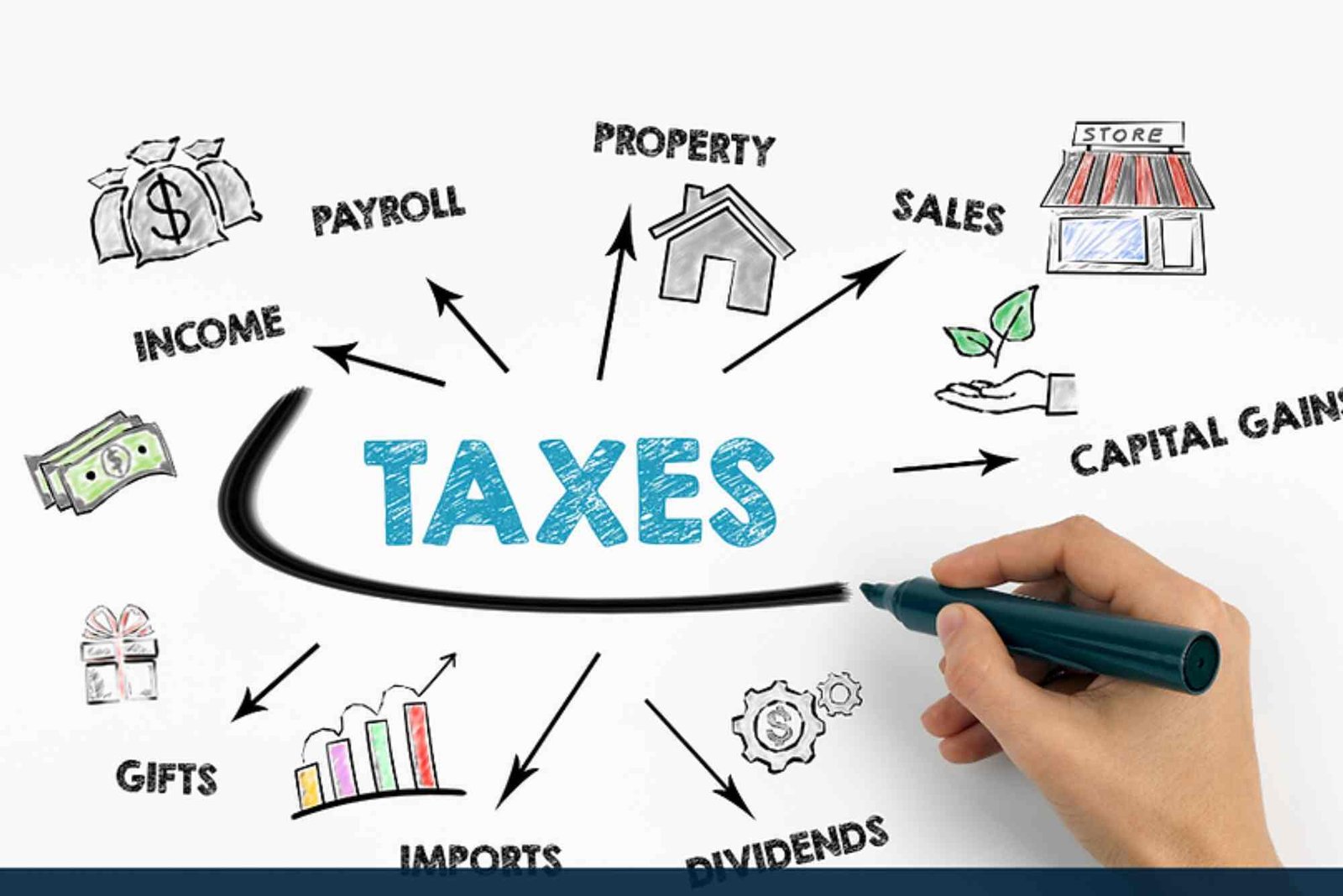
To understand Are Mosques tax exempt, it is important to first understand what tax exemption means. Tax exemption is a legal status where an organization does not have to pay certain taxes. This usually applies to non-profit organizations, charities, and religious institutions.
Mosques often fall under the category of religious organizations. In many countries, governments recognize religious institutions as non-profit entities. This recognition allows them to be exempt from income tax, property tax, or other forms of taxation. The idea behind this exemption is that mosques serve the public by providing spiritual services, community support, and charitable activities.
However, tax exemption is not automatic in all cases. A mosque must usually be officially registered as a non-profit religious organization. Without proper registration, it may not qualify for tax benefits. Therefore, when asking Are Mosques tax exempt, the legal structure of the mosque plays a very important role.
Legal Status of Mosques in Different Countries
The answer to Are Mosques tax exempt varies depending on the country’s legal system. In many Muslim-majority countries, mosques are fully supported by the government or religious ministries. In such cases, they are automatically exempt from taxation because they are publicly funded or state-managed.


In non-Muslim countries, mosques are usually treated as charitable or religious organizations. For example, in countries like the United Kingdom, the United States, Canada, and Australia, mosques can apply for tax-exempt status if they meet certain legal requirements. These requirements often include transparent financial records, non-profit operations, and compliance with religious organization laws.
In the United States, for example, mosques often register under section 501(c)(3) of the tax code, which grants them exemption from federal income tax. This allows donations to mosques to be tax-deductible, encouraging community support.
In contrast, some countries may have stricter regulations or different interpretations of religious tax exemption. This means the answer to Are Mosques tax exempt is not universal but depends heavily on jurisdiction.
Conditions Required for Mosques to Be Tax Exempt
When discussing Are Mosques tax exempt, it is important to understand the conditions that must be met for exemption approval. Most tax authorities require mosques to operate exclusively for religious and charitable purposes.
One key condition is that mosques must not operate for profit. Any income generated must be used for maintenance, community services, or religious activities. Another important condition is financial transparency. Mosques are often required to maintain clear financial records and submit annual reports to regulatory bodies.
Governments also ensure that mosques do not engage in commercial business activities unrelated to their religious purpose. If a mosque runs businesses, those activities may be taxed separately. These rules help maintain fairness in the tax system while still supporting religious freedom.
Therefore, Are Mosques tax exempt depends not only on religious status but also on compliance with legal and financial regulations.
Why Governments Offer Tax Exemptions to Mosques
To better understand Are Mosques tax exempt, it is important to explore why governments provide such exemptions. The main reason is that mosques serve a public and community-based role. They are not profit-driven organizations but institutions that provide religious education, spiritual guidance, and charitable services.
Mosques often help communities by organizing charity events, supporting the poor, and providing social services. Because of this public benefit, governments recognize them as non-profit entities. Tax exemption allows mosques to use their resources more effectively for community development instead of paying taxes.
Another reason is the principle of religious freedom. Many countries protect religious institutions from financial burdens to ensure that people can freely practice their faith. This is why the question Are Mosques tax exempt is closely linked to constitutional rights in many nations.
Financial Structure and Donations in Mosques
A key part of answering Are Mosques tax exempt is understanding how mosques are funded. Most mosques rely on donations from the community. These donations are used for maintenance, salaries, educational programs, and charitable activities.
In many tax systems, donations made to mosques are also tax-deductible. This means individuals who donate may receive tax benefits, depending on the country’s laws. This encourages more people to support mosques financially.
Since mosques are non-profit institutions, they are not allowed to distribute profits to individuals. All funds must be reinvested into the mosque’s activities. This financial structure supports their eligibility for tax exemption and strengthens their legal status as charitable organizations.
Challenges in Tax Exemption Status
Although many mosques are tax exempt, there can still be challenges. One common issue is compliance with government regulations. If a mosque fails to maintain proper records or violates financial rules, it may risk losing its tax-exempt status.
Another challenge is misunderstanding public perception. Some people may assume that all religious institutions automatically avoid taxes without conditions. However, as explained in Are Mosques tax exempt, legal approval and ongoing compliance are necessary.
Additionally, in some regions, political or legal changes may affect how religious institutions are taxed. This means mosques must continuously ensure they meet updated legal requirements to maintain their status.
Global Perspective on Mosques and Taxation
Looking at the global picture helps provide a clearer answer to Are Mosques tax exempt. In most countries, mosques are either fully or partially exempt from taxes due to their religious and charitable nature.
However, the level of exemption differs. Some governments fully support mosques financially, while others only provide limited tax relief. In certain cases, only specific taxes like property tax are waived, while other obligations may still apply.
Despite these differences, the overall trend globally is that mosques are generally recognized as tax-exempt institutions because of their non-profit and community-focused role.
Conclusion
So, Are Mosques tax exempt? The answer is generally yes, but with conditions. Most mosques around the world qualify for tax exemption because they operate as religious and charitable organizations. However, the exact rules depend on the country, legal registration, and compliance with financial regulations.
FAQs
Are mosques tax exempt in all countries?
Mosques are not tax exempt in all countries. Most nations offer exemption, but rules vary depending on local tax laws and religious policies.
Do mosques pay property tax?
In many countries, mosques are exempt from property tax. However, this depends on registration and local government regulations.
Can mosques lose their tax-exempt status?
Yes, mosques can lose tax exemption if they engage in profit-making activities or fail to comply with legal requirements.
Are donations to mosques tax deductible?
In countries like the US and UK, donations to registered mosques are often tax deductible if the mosque is recognized as a charity.
Why do governments give mosques tax exemption?
Governments provide tax exemption because mosques serve public and charitable purposes, contributing to education, welfare, and community support.
Understanding whether savings and investments are tax-free is important for every investor. In the UK, Individual Savings Accounts (ISAs) allow people to earn interest, dividends, and capital gains without paying tax. For detailed guidance, visit Are Isas Tax Free to learn how ISAs work and what benefits they offer to savers and investors. ISAs provide a simple way to grow savings efficiently under UK tax rules. This makes them popular among UK savers. Always review limits and eligibility. today!!!