



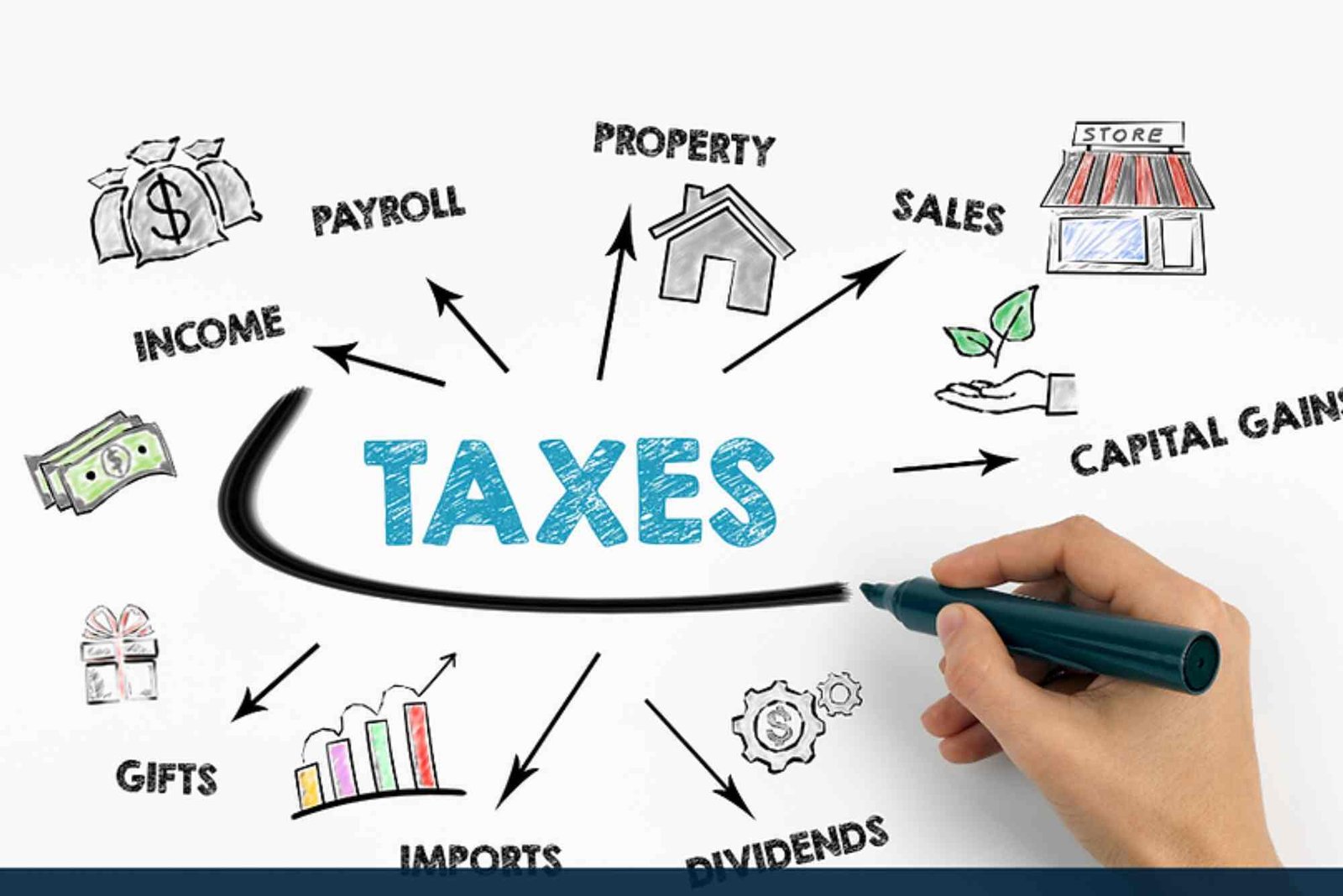

What Is Withholding Tax?
What Is Withholding Tax? It is a system where tax is deducted at the source of income. Instead of paying tax later, a portion is withheld upfront. This amount is then sent to the government on behalf of the taxpayer.
This method helps governments collect revenue regularly. It also reduces tax evasion and ensures compliance. For individuals and businesses, it simplifies the tax process by spreading payments over time.
In simple terms, withholding tax means “pay as you earn.” Whether you receive a salary, profit, or payment, a part is deducted before you get the full amount.
How Does Withholding Tax Work?
Understanding how withholding tax works is essential for both employees and business owners. The process is straightforward but varies depending on the country and type of income.
Deduction at the Source
The payer deducts a fixed percentage from the payment. This payer could be an employer, bank, or client. The deducted amount is the withholding tax.
For example, if your salary is paid monthly, your employer deducts tax before transferring the remaining amount to you.


Submission to Authorities
After deduction, the payer submits the tax to the government. This is usually done monthly or quarterly.
Adjustment at Year-End
At the end of the tax year, the withheld amount is adjusted against your total tax liability. If more tax was deducted, you may get a refund. If less was deducted, you may need to pay the difference.
Types of Withholding Tax
When asking What Is Withholding Tax?, it is important to know that there are different types. Each applies to a specific kind of income.
Salary Withholding Tax
This is the most common type. Employers deduct tax from employee salaries. It is based on income level and applicable tax rates.
Withholding Tax on Payments to Contractors
Businesses often pay freelancers or contractors. A percentage is withheld from these payments as tax.
Dividend and Interest Withholding Tax
Income from investments, such as dividends or interest, may also be subject to withholding tax. Financial institutions handle these deductions.
Withholding Tax on International Payments
When money is sent abroad, governments may impose withholding tax. This applies to royalties, technical fees, and services.
Why Is Withholding Tax Important?
Understanding What Is Withholding Tax? also involves knowing its importance. This system benefits both governments and taxpayers.
Ensures Regular Revenue
Governments receive a steady flow of income throughout the year. This helps fund public services and infrastructure.
Reduces Tax Evasion
Since tax is collected at the source, it becomes harder to avoid payment. This increases overall compliance.
Simplifies Tax Filing
Taxpayers do not need to pay large amounts at once. Instead, payments are spread over time, making financial planning easier.
Improves Budgeting
Individuals can better manage their finances. They know that tax obligations are already being handled gradually.
Withholding Tax Rates
Rates vary depending on the country and type of income. They may also change based on income levels.
Fixed Rates
Some payments have fixed withholding rates. For example, a certain percentage may apply to contractor payments.
Progressive Rates
For salaries, withholding tax often follows progressive rates. Higher income levels attract higher tax percentages.
Reduced Rates Under Agreements
In international transactions, tax treaties may reduce withholding rates. These agreements prevent double taxation.
Examples of Withholding Tax
To better understand What Is Withholding Tax?, let’s look at real-world examples.
Employee Salary Example
An employee earns $1,000 per month. The employer deducts $100 as withholding tax. The employee receives $900, while $100 goes to the government.
Freelancer Payment Example
A company pays a freelancer $500. It withholds $50 as tax. The freelancer receives $450.
Investment Income Example
A bank pays interest on savings. It deducts a percentage before crediting the remaining amount to the account holder.
Advantages of Withholding Tax
Withholding tax offers several benefits. These advantages make it a preferred system worldwide.
Convenience
Taxpayers do not need to calculate and pay taxes separately. The process is automatic.
Reduced Risk of Penalties
Since tax is paid in advance, the risk of late payment penalties decreases.
Better Compliance
Governments can track payments more easily. This improves overall tax compliance.
Disadvantages of Withholding Tax
While useful, withholding tax also has some drawbacks.
Cash Flow Impact
Taxpayers receive less money upfront. This can affect short-term financial planning.
Possible Overpayment
Sometimes, more tax is deducted than required. Refunds may take time.
Administrative Burden
Employers and businesses must manage deductions and reporting. This adds to their workload.
Withholding Tax vs Income Tax
Many people confuse withholding tax with income tax. Understanding the difference is key.
Key Difference
Withholding tax is a method of collecting income tax. It is not a separate tax.
Timing
Income tax is calculated annually. Withholding tax is deducted throughout the year.
Adjustment
At year-end, withholding tax is adjusted against total income tax liability.
Who Is Responsible for Withholding Tax?
Responsibility depends on the type of payment.
Employers
Employers deduct tax from employee salaries and submit it to the government.
Businesses
Companies must withhold tax on certain payments, such as contractor fees.
Financial Institutions
Banks and investment firms handle withholding tax on interest and dividends.
How to Calculate Withholding Tax
Calculating withholding tax requires understanding applicable rates and income types.
Determine Taxable Income
Identify the amount subject to tax. This includes salary, payments, or investment income.
Apply Relevant Rate
Use the correct withholding rate based on laws and regulations.
Deduct and Record
Subtract the calculated amount and keep records for reporting and adjustments.
Common Mistakes to Avoid
When dealing with withholding tax, certain mistakes are common.
Incorrect Rates
Using the wrong rate can lead to underpayment or overpayment.
Late Submission
Failing to submit withheld tax on time can result in penalties.
Poor Record Keeping
Accurate records are essential for audits and tax returns.
What Is Withholding Tax in International Context?
In global transactions, withholding tax becomes more complex.
Cross-Border Payments
Payments made to foreign entities may attract withholding tax. This depends on local laws.
Tax Treaties
Countries often sign agreements to reduce or eliminate double taxation.
Compliance Requirements
Businesses must follow both local and international regulations.
financer.ae is a modern online platform designed to simplify financial decisions for individuals and businesses. It connects users with trusted loan providers, financial tools, and expert guidance, helping them compare options easily. With a user-friendly interface and reliable resources, financer.ae supports smarter borrowing, better financial planning, and secure transactions, making it a valuable destination for managing personal and business finances effectively.
FAQs About What Is Withholding Tax?
What Is Withholding Tax on Salary?
Withholding tax on salary is the amount deducted by an employer before paying wages. It ensures taxes are paid throughout the year.
How Is Withholding Tax Calculated?
It is calculated by applying the relevant tax rate to the taxable income. Rates depend on income type and jurisdiction.
Can Withholding Tax Be Refunded?
Yes, if too much tax is withheld, you can claim a refund when filing your annual tax return.
Is Withholding Tax Mandatory?
In most cases, yes. It is required by law for certain types of payments and income.
What Happens If Withholding Tax Is Not Paid?
Failure to pay can result in penalties, fines, or legal action. Both payer and recipient may face consequences.
Does Withholding Tax Apply to Freelancers?
Yes, many countries require withholding tax on payments to freelancers or contractors.
Conclusion: What Is Withholding Tax and Why It Matters
What Is Withholding Tax? It is a practical and efficient way to collect taxes. By deducting tax at the source, governments ensure steady revenue and better compliance.
For individuals, it simplifies tax obligations. For businesses, it ensures transparency and accountability. While it may reduce immediate income, it prevents large tax burdens later.
Understanding withholding tax helps you manage finances better. It also ensures you stay compliant with tax laws.
If you want to stay financially organized, start by reviewing your withholding tax details today. Consult a tax expert if needed. Taking action now can save you time, money, and stress in the future.