

Introduction
If you are wondering, “Can I refinance my personal loan?”, the short answer is yes. In many cases, borrowers can replace an existing personal loan with a new loan that has different terms. Refinancing may help you secure a lower interest rate, reduce your monthly payment, change your repayment period, or make your debt easier to manage.
A personal loan is generally a fixed installment loan that you repay through scheduled payments over a defined period. Lenders commonly consider factors such as your credit history, income, existing debts, and other financial information when setting loan terms.
However, refinancing is not automatically beneficial. A lower monthly payment could result from extending the repayment period, which may increase the total interest you pay. Fees, early repayment charges, and the new interest rate can also affect whether refinancing actually saves money.
Understanding how refinancing works can help you decide whether replacing your current loan fits your financial situation.
Can I Refinance My Personal Loan?
Yes, you can generally refinance a personal loan by taking out a new loan and using the proceeds to repay your existing balance. The new loan then becomes your active debt, with its own interest rate, monthly payment, and repayment term.
The Consumer Financial Protection Bureau describes refinancing as a transaction where an existing obligation is satisfied and replaced with a new obligation.


For example, suppose you currently have a personal loan with a relatively high interest rate. Your credit profile has since improved, and another lender offers you a lower rate. If the new loan has reasonable fees and a suitable repayment period, refinancing could reduce your borrowing costs.
Some lenders may also allow you to refinance with the same institution, while others require you to take the new loan from a different lender. The exact options depend on the lender’s policies and your financial circumstances.
What Does It Mean to Refinance a Personal Loan?
When you refinance a personal loan, you are essentially replacing your old debt with new financing.
The new lender provides money that is used to pay off your existing loan. You then make payments on the replacement loan according to its new terms.
The biggest difference is that the new loan can have different conditions. You may receive a different annual percentage rate, repayment period, monthly payment, or loan amount.
For example, someone who originally borrowed at a high rate may later qualify for a lower rate after improving their credit. Alternatively, a borrower facing a tight monthly budget may choose a longer repayment term to reduce the size of each payment.
However, lowering the monthly payment does not necessarily mean reducing the total cost. Extending the loan term can mean paying interest for a longer period.
When Should I Refinance My Personal Loan?
The right time to refinance depends on your financial goals and the terms available to you. There is no universal point at which every borrower should refinance.
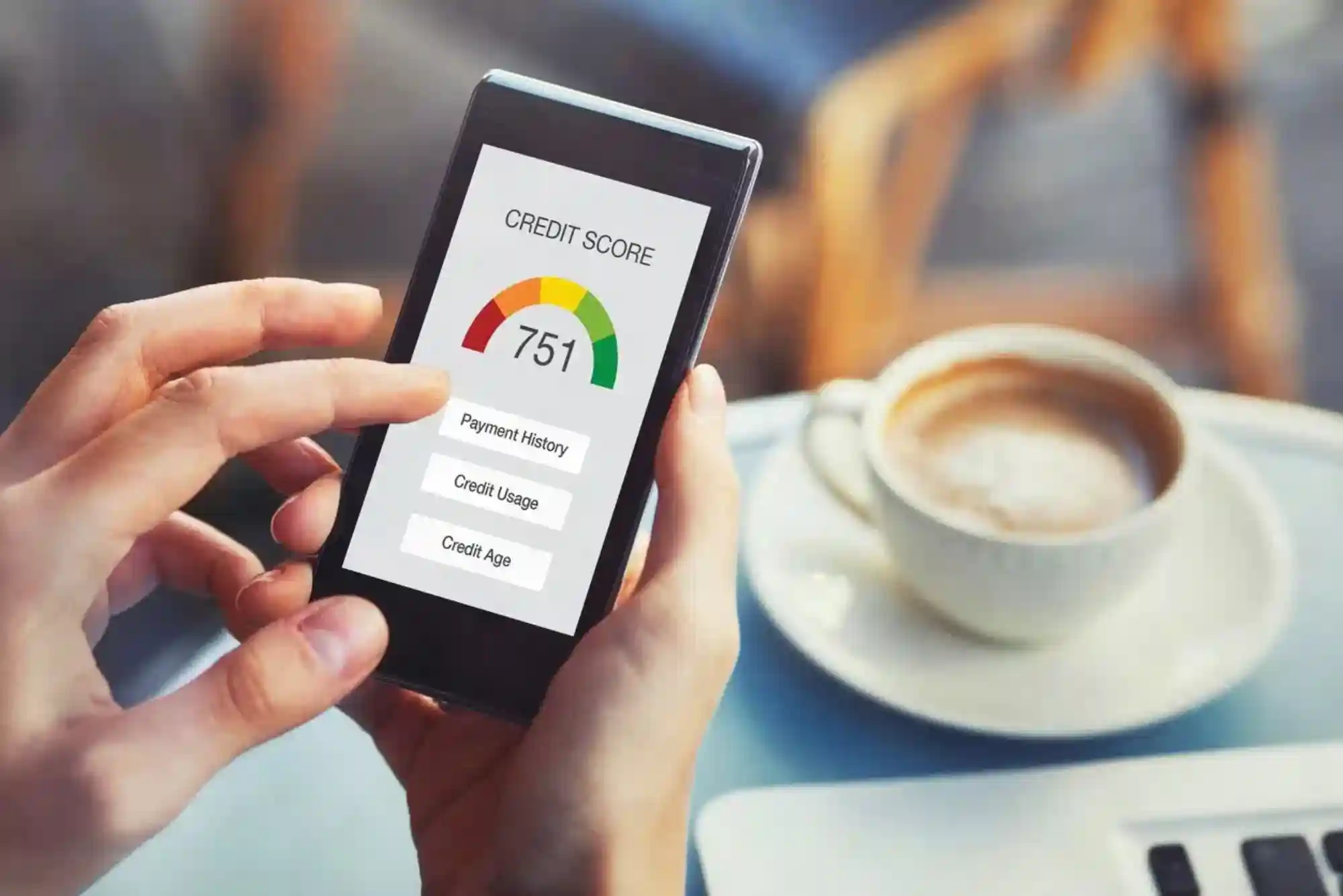
One common reason is that your credit has improved since you originally took out the loan. A stronger credit profile may help you qualify for more competitive loan terms.
Another situation is when you can obtain a lower interest rate. Even a modest reduction can potentially lower the amount of interest you pay, particularly when you still have a substantial balance or a long repayment period remaining.
You might also consider refinancing if your current monthly payment has become difficult to manage. A longer repayment period could reduce your monthly obligation, although you should compare the total interest cost before making the change.
Refinancing can also be considered when you want to shorten your repayment period. If the new loan offers a lower rate and you can comfortably handle higher monthly payments, you may be able to repay the balance sooner.
Experts generally recommend looking at the complete financial picture rather than focusing only on the monthly payment.
How Does Personal Loan Refinancing Work?
The process usually begins by reviewing your current loan. Check the outstanding balance, interest rate, remaining term, monthly payment, and any fees associated with early repayment.
Next, compare potential refinancing offers. Look beyond the advertised interest rate and examine the annual percentage rate, fees, repayment period, and total amount you will repay.
Some lenders may offer prequalification before a full application. Depending on the lender, this can allow you to review potential terms without immediately triggering a hard credit inquiry. However, prequalification does not guarantee final approval or the exact terms you will receive.
After choosing an offer, you submit the formal application. The lender reviews your financial information and determines whether you qualify.
If approved, the new loan proceeds are generally used to pay off your existing personal loan. You then begin making payments under the new agreement.
It is important to confirm that the old loan has actually been paid off and understand when your first payment on the new loan is due.
What Credit Score Do You Need to Refinance a Personal Loan?
There is no single credit score that guarantees approval for personal loan refinancing. Each lender has its own eligibility requirements and underwriting criteria.
Your credit score is nevertheless an important factor. Lenders may also consider your income, debt obligations, payment history, loan amount, and other information when determining whether to approve an application and what terms to offer.
If your credit has improved since you took out your existing loan, refinancing may become more attractive because you could potentially qualify for a better rate.
On the other hand, if your credit has declined, refinancing may result in a higher rate than your current loan. In that situation, replacing the existing loan may increase rather than decrease your borrowing costs.
Before applying, review your credit profile and compare realistic offers rather than assuming that refinancing will automatically produce a lower rate.
Can Refinancing Lower My Monthly Payment?
Yes, refinancing can lower your monthly payment, but the reason for the reduction matters.
A lower interest rate can reduce both your payment and potentially the total interest you pay. However, extending the repayment period can also reduce your monthly payment while increasing the amount of time you remain in debt.
Consider a simple example. Imagine you have several years remaining on your current loan. A new lender offers a longer repayment period. Your monthly payment may become easier to manage, but you could make payments for additional months or years.
That means the correct comparison is not simply “old monthly payment versus new monthly payment.” You should compare the total amount you will pay under each option.
The CFPB similarly warns in its refinancing guidance that lower payments can sometimes result in higher total costs when the new loan lasts longer.
Does Refinancing a Personal Loan Save Money?
It can, but savings are not guaranteed.
The potential savings generally come from receiving a lower interest rate, reducing the outstanding interest, or choosing a repayment structure that better suits your circumstances.
However, refinancing can involve costs. Depending on the lender and loan agreement, you may encounter origination fees, early repayment charges, or other expenses.
Suppose a new loan would save you $1,500 in interest but costs $500 in refinancing fees. Your potential net savings would be approximately $1,000 before considering other differences between the loans.
This is why comparing the total cost of both loans is more useful than simply comparing their advertised interest rates.
You should also consider how long you expect to keep the new loan. If you are already close to paying off your current balance, refinancing costs may not be worthwhile because there may not be enough remaining interest for the savings to offset those expenses.
What Are the Advantages of Refinancing a Personal Loan?
Refinancing can provide several potential benefits when the new loan genuinely improves your financial position.
A lower interest rate can reduce the cost of borrowing. This may be particularly valuable if your original loan had a high rate and your financial profile has improved.
Refinancing can also provide a different repayment period. A shorter term may help you become debt-free sooner, while a longer term can make monthly payments more manageable.
Another potential benefit is simplifying your finances. Depending on the circumstances, refinancing may allow you to replace an existing loan with a structure that better matches your current financial needs.
The important point is that the benefit should be measured against the full cost of the new loan.
What Are the Disadvantages of Refinancing a Personal Loan?
Refinancing can also have drawbacks.
Applying for a new loan may involve a hard credit inquiry, which can temporarily affect your credit score. The impact varies, and the long-term effect depends on your broader credit activity.
Fees are another concern. A new lender may charge an origination fee, while your existing lender could potentially charge an early repayment fee depending on your agreement and applicable rules.
A longer repayment period is another important consideration. It can reduce your monthly payment while increasing the total interest paid over time.
There is also no guarantee that you will receive better terms. If your credit profile has weakened or available loan rates are less favorable, refinancing may not provide a meaningful advantage.
Can I Refinance My Personal Loan With the Same Lender?
Sometimes, yes. Whether you can refinance with your existing lender depends on that lender’s policies and the specific loan product.
Some lenders may allow borrowers to apply for another loan and use it to pay off the current balance. Others may require you to use a different product or lender.
Even if your existing lender offers refinancing, compare its terms with alternatives. Your current lender is not necessarily the only source of potentially better financing.
When comparing offers, pay attention to the APR, fees, loan term, monthly payment, and total repayment amount.
How to Decide If Refinancing Is Right for You
Start with your current loan. Find out exactly how much you still owe and how much interest remains under the existing repayment schedule.
Then compare that information with a realistic refinancing offer.
Ask yourself what you are trying to accomplish. If your goal is to save money, focus on total borrowing costs. If your goal is to reduce monthly pressure, examine the new payment while checking whether the longer term increases total interest.
You should also calculate the effect of refinancing fees. A lower rate is useful only if the savings outweigh the costs of replacing the existing loan.
Finally, consider how long you expect to keep the refinanced loan. A refinancing decision should make sense over the period you actually expect to repay the debt.
What Happens to Your Old Personal Loan After Refinancing?
When refinancing is completed, the old loan is normally paid off using the proceeds from the new loan.
The original account should then be closed or otherwise marked as satisfied according to the lender’s procedures. Your repayment responsibility shifts to the new loan.
Do not assume the old balance has been cleared simply because your new loan has been approved. Confirm the payoff and continue monitoring both accounts until the transition is complete.
Keeping documentation of the payoff can also make it easier to resolve any future questions about the old account.
Can I Refinance My Personal Loan?
So, can I refinance my personal loan? In many cases, yes. Refinancing allows you to replace your existing personal loan with new financing that may offer a different interest rate, repayment period, or monthly payment.
The key is to determine whether the new loan actually improves your financial position. Compare APRs, fees, remaining balances, repayment terms, monthly payments, and total costs before committing.
A lower payment can be helpful, but it does not automatically mean a cheaper loan. Likewise, a lower interest rate may not produce savings if refinancing fees are substantial.
What Is an Expat Mortgage? How It Works: An expat mortgage helps people living abroad finance property purchases through tailored loan options, income checks, currency considerations, and repayment terms. Understanding how expat mortgages work allows borrowers to compare lenders, plan finances, and make informed property investment decisions.
FAQs
Can I refinance a personal loan?
Yes. Refinancing generally involves taking out a new loan and using it to pay off your existing personal loan. The new loan may have a different interest rate, payment, or repayment term.
Is it a good idea to refinance a personal loan?
It depends on the terms available and your financial objective. Refinancing may make sense when the new loan provides a meaningful improvement, such as a lower rate or a payment structure that better fits your circumstances. Fees and total interest should be considered before making the decision.
Can I refinance a personal loan with bad credit?
You may be able to refinance with less-than-perfect credit, but approval and pricing depend on the lender. A lower credit score can make it harder to qualify for competitive rates.
Does refinancing a personal loan hurt your credit?
Applying for refinancing can involve a hard credit inquiry, which may temporarily affect your credit score. The overall effect depends on your individual credit profile and other activity.
How soon can I refinance a personal loan?
There is no universal waiting period for every personal loan. Some lenders may allow refinancing relatively soon after the original loan begins, while others may impose specific requirements or restrictions. Check your current agreement and the prospective lender’s rules.
Does refinancing lower your interest rate?
It can. Borrowers may receive a lower rate if they qualify for better terms than those on their existing loan. However, approval and the offered rate depend on factors such as creditworthiness and the lender’s criteria.
Is it better to refinance or pay off a personal loan early?
The answer depends on your available cash, current loan terms, refinancing offer, fees, and financial goals. Compare the total cost of each option instead of focusing only on the monthly payment.