


Introduction
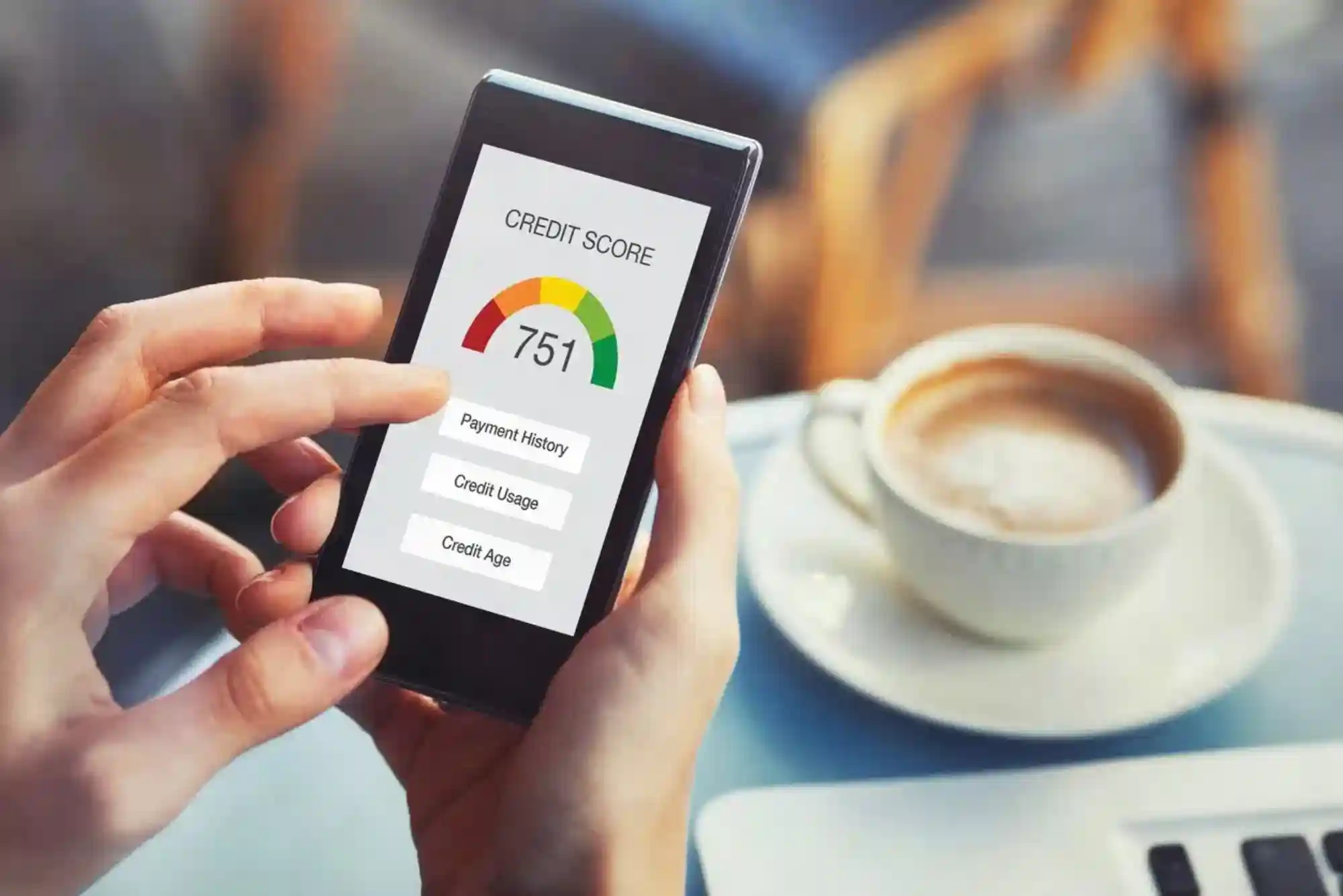
Do student loans affect credit? This is one of the first questions college students and graduates ask when they step into the world of personal finance. Managing debt for the first time can feel overwhelming, especially when your financial future depends on a three-digit score. Student loans act just like any other form of credit. They officially enter your credit reports and actively shape your financial reputation. Understanding how this system works gives you the power to build a strong foundation. Whether you are currently studying or already paying off your balance, your actions directly impact your score. Let us explore how student loans influence your credit profile and what you can do to protect it.
How Student Loans Impact Your Credit Score
Your student loans influence your credit score through several core financial mechanisms. When you sign up for a federal or private loan, lenders report that activity to major credit bureaus. This creates an official credit file. For many young adults, student loans represent the very first entry on their credit report. This means your entire credit journey might start right here.
Installment loans function differently than revolving credit cards. Instead of having a flexible limit that changes every month, you receive a lump sum for tuition. You then pay back that fixed amount over a set schedule. Credit scoring models look at this specific repayment behavior to determine your reliability. Timely management builds trust, while missed deadlines trigger warnings for future lenders.
The Positive Effects of Student Loans on Your Credit
Student loans do not just cause stress; they can actually help your financial standing when managed wisely. Payment history makes up thirty-five percent of your total FICO score. Making consistent, on-time payments every month proves that you can handle long-term financial obligations. Over several years, this positive habit forms a rock-solid base for your credit history.
Diversity in your credit profile also matters to scoring models. Lenders like to see that you can manage multiple types of debt responsibly. Having an installment loan alongside a credit card creates a healthy credit mix. Furthermore, keeping your oldest loan accounts open for a long time increases the average age of your credit. A longer history generally results in a higher score.
The Negative Risks and Pitfalls to Avoid
While benefits exist, failing to manage your debt triggers serious consequences. Missing just a single payment date can cause your score to drop. Once a payment becomes more than thirty days late, loan servicers report the delinquency to the credit bureaus. That negative mark can remain on your credit report for up to seven years.


Defaulting on your student loans represents the worst-case scenario. Federal loans usually enter default after you miss payments for two hundred seventy days. Private lenders may declare a default even sooner depending on their specific terms. A default devastates your credit score, leads to severe collection efforts, and blocks you from getting future housing or car loans.
How Different Loan Statuses Affect Your Report
Your credit report reflects the current status of your educational debt at all times. Knowing how different phases affect your profile helps you plan ahead.
In-school deferment keeps your account in good standing while you study. Because payments are generally not required, your credit score stays stable during this phase.
The post-graduation grace period gives you a temporary break before regular bills start. This window lets you organize your finances without hurting your credit score.
Administrative forbearance or deferment pauses your active obligation during financial hardships. Your credit score remains protected, though interest might still accumulate in the background.
Frequently Asked Questions
Do student loans affect credit while you are still in school?
Student loans appear on your credit report immediately after disbursement, but they usually do not hurt you while you study. Because most programs offer in-school deferment, you do not need to make payments right away. As long as your account does not require immediate payments that you skip, your credit score remains safe.
Do student loans hurt your credit utilization ratio?
Student loans do not impact your credit utilization ratio the same way credit cards do. Utilization tracks revolving credit limits. Since student loans are fixed installment accounts, having a large initial balance does not penalize this specific metric. However, high total debt can still affect your overall debt-to-income ratio.
What happens to your credit score after you pay off student loans?
Paying off a loan completely is a major milestone, but it can sometimes cause a temporary dip in your score. Closing the account might lower the average age of your credit history or reduce your credit mix. Even if a minor drop happens initially, the long-term benefit of being debt-free far outweighs the temporary change.
Can you fix your credit after missing student loan payments?
You can actively repair your credit profile after experiencing financial setbacks. Start by bringing delinquent accounts current as fast as possible. For federal loans, look into rehabilitation or consolidation programs to pull loans out of default. Consistent on-time behavior moving forward will gradually overwrite past mistakes.
Conclusion
Student loans play a powerful role in shaping your financial identity. They can help you establish a positive credit history or damage your opportunities if neglected. Stay proactive by monitoring your credit reports regularly and setting up automatic payments to avoid accidental delays. If you ever face financial distress, contact your loan servicer immediately to explore income-driven repayment plans or temporary deferment options. Take control of your debt today to secure a brighter financial tomorrow. Check your current credit report now to see where you stand and build your personalized repayment strategy.