




Introduction
If you have ever wondered How Much Does the UK Make in Tax?, the answer is measured in hundreds of billions of pounds each year. Tax revenue is one of the main sources of money available to the UK public sector. It helps fund healthcare, education, pensions, infrastructure, public administration, defence, and other government services.
According to the latest HM Revenue & Customs figures, HMRC collected £937.8 billion in taxes during the 2025–26 tax year. That represented a 9.2% increase compared with the previous year. HMRC also reported that receipts had risen substantially over the longer term, from £428.6 billion in 2006–07 to £937.8 billion in 2025–26.
However, the answer to How Much Does the UK Make in Tax? depends on what is included. HMRC’s annual tax-receipts statistics use a cash basis, while other government accounts can use different accounting methods. For example, HMRC’s 2025–26 annual report recorded £966.4 billion in tax revenues.
Understanding these figures requires looking at where the UK’s tax revenue comes from and why receipts change from year to year.
How Much Does the UK Make in Tax Each Year?
The UK collects a very large amount of tax because taxation applies to employment, business profits, spending, investments, property, and other economic activities. The total changes as wages, consumer spending, company profits, inflation, employment, and tax policies change.
For the 2025–26 tax year, HMRC’s annual statistics recorded £937.8 billion in tax and related receipts. This figure includes major revenue sources such as income tax, National Insurance contributions, VAT, and business taxes.


The same statistics show that tax receipts represented around 30.7% of UK GDP in 2025–26. This provides useful context because the economy itself grows over time. Therefore, looking only at the cash amount does not show the complete picture.
HMRC reported that receipts represented 28.7% of GDP in 2006–07. By 2025–26, that proportion had increased to 30.7%.
Therefore, when asking How Much Does the UK Make in Tax?, it is useful to consider both the total pounds collected and tax receipts relative to the size of the economy.
How Much Does the UK Make From Income Tax?
Income tax is one of the UK’s largest sources of government revenue. It is generally charged on taxable income earned by individuals, although different allowances and rates apply depending on circumstances.
Income tax is collected through several systems. Employees commonly pay it through PAYE, while people with certain types of income may use Self Assessment.
According to the Office for Budget Responsibility, income tax receipts were estimated at £331.4 billion for 2025–26. The OBR forecast also projected £359.6 billion for 2026–27.
These figures demonstrate why income tax is central to the answer to How Much Does the UK Make in Tax? Millions of workers contribute through their earnings, while additional revenue comes from other taxable income.
Income tax receipts can rise even when tax rates do not change. For example, higher wages can increase the amount collected. Frozen tax thresholds can also result in more income becoming taxable as earnings increase.
How Much Does the UK Make From National Insurance?
National Insurance is another major source of UK government revenue. Employees, employers, and some self-employed people can have National Insurance obligations.
The OBR estimated National Insurance contributions at approximately £204.0 billion for 2025–26. Its forecast for 2026–27 was around £211.6 billion.
National Insurance is particularly important because employment and payroll conditions directly affect receipts. When employment increases or wages rise, the taxable payroll base can expand.
Recent policy changes have also influenced the amount collected. HMRC stated that the increase in the employer Class 1 National Insurance rate and the reduction in the Secondary Threshold contributed to higher receipts during 2025–26.
Consequently, National Insurance needs to be considered separately when examining How Much Does the UK Make in Tax?
How Much Does the UK Make From VAT?
Value Added Tax, commonly called VAT, is charged on many goods and services purchased in the UK. Because it applies to consumer spending, it is another major source of government revenue.
HMRC reported VAT receipts of £179.9 billion in 2025–26, equal to around 5.9% of GDP. The department attributed the increase partly to growth in the nominal VAT tax base and policy measures.
The OBR estimated VAT receipts at £180.9 billion for 2025–26. It forecast approximately £188.7 billion for 2026–27.
VAT revenue is closely connected to consumer activity. When households and businesses spend more on VAT-applicable products and services, government receipts can increase.
Inflation can also affect cash receipts because higher prices can increase the value of transactions subject to VAT.
How Much Does the UK Make From Corporation Tax?
Corporation tax is charged on taxable profits made by companies operating within the relevant UK tax framework. It provides a significant contribution to public finances.
HMRC recorded £101.5 billion in business tax receipts classified within its business taxes measure during 2025–26. The department said corporation tax was a major factor behind strong business tax receipts.
The OBR’s broader corporation tax figures estimated receipts of £98.8 billion for 2025–26. Differences between figures can occur because government publications use different definitions, classifications, and accounting bases.
Corporation tax revenue can change considerably when company profits rise or fall. Tax policy also affects receipts, including changes to corporation tax rates and reliefs.
HMRC noted that receipts increased after the main corporation tax rate increased from 19% to 25% in April 2023.
Where Does the Rest of UK Tax Revenue Come From?
Income tax, National Insurance, VAT, and corporation tax represent the largest components of UK taxation. However, they are not the only taxes collected.
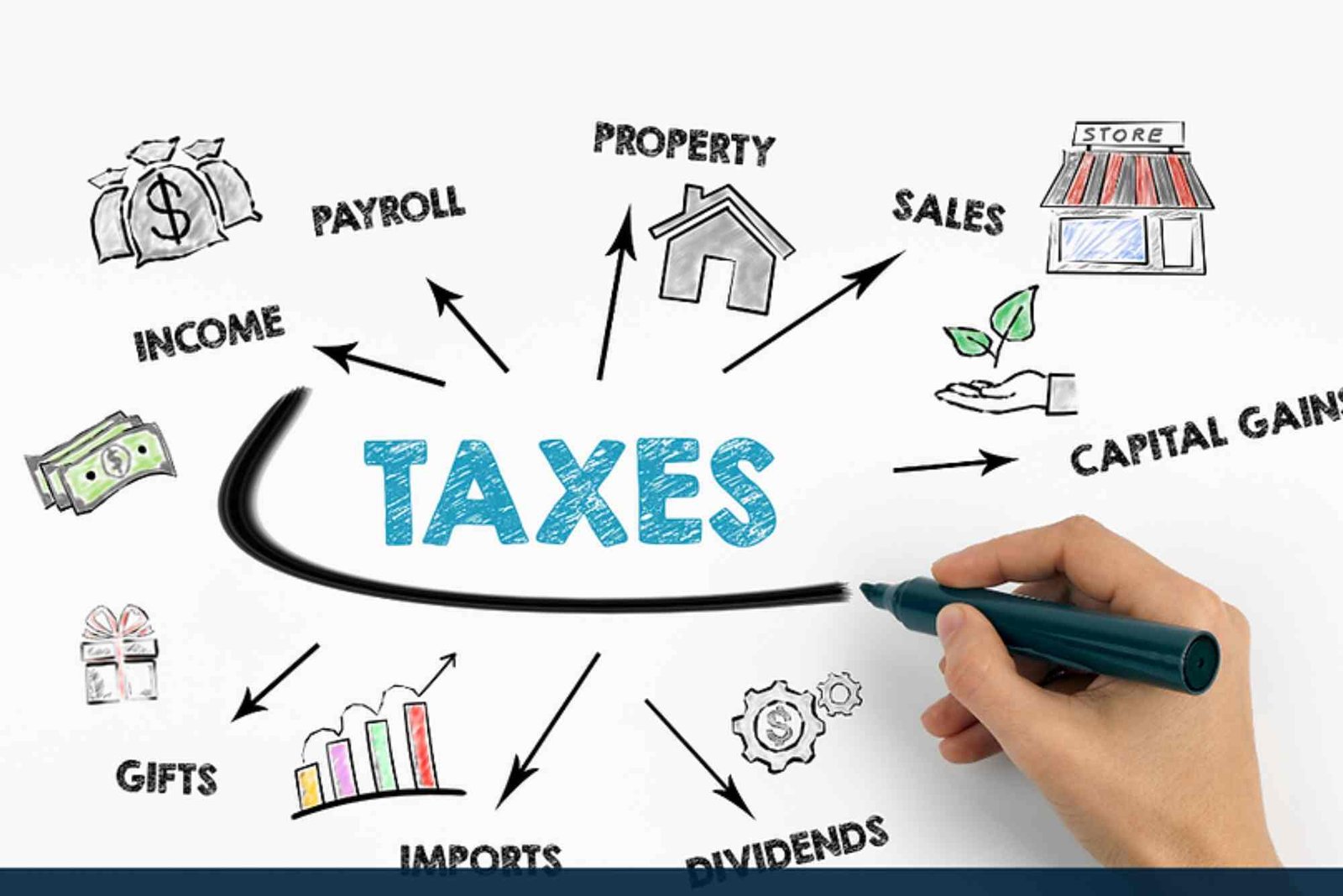
The government also receives money from fuel duties, business rates, stamp taxes, capital gains tax, inheritance tax, insurance premium tax, tobacco duties, alcohol duties, vehicle-related taxes, and various other sources.
The relative importance of these taxes changes over time. For example, HMRC reported that income tax, capital gains tax, and National Insurance together accounted for 59% of annual receipts in 2025–26. VAT and business taxes were also major contributors.
This broad tax base helps explain the size of the UK’s overall tax collection. Revenue does not depend on one individual tax. Instead, it comes from many different economic activities.
Why Is UK Tax Revenue Increasing?
Several factors can influence the amount of tax collected in the UK. Economic growth is one important factor because a larger economy can generate more taxable income, profits, and spending.
Wage growth can increase income tax and National Insurance receipts. Higher company profits can increase corporation tax. Similarly, stronger consumer spending can raise VAT receipts.
Inflation can also increase cash tax receipts. When prices and wages rise, the monetary value of taxable transactions and incomes can increase.
Government policy is another factor. Changes to tax rates, thresholds, allowances, exemptions, and enforcement can all influence receipts.
HMRC reported that total tax receipts increased by 9.2% in 2025–26. It also stated that receipts from income tax, capital gains tax, and National Insurance were particularly significant.
Therefore, the answer to How Much Does the UK Make in Tax? can change substantially from one tax year to another.
How Does Tax Revenue Relate to UK Government Spending?
Tax revenue provides an important source of funding for government activity, but it does not mean every pound collected is directly matched to a particular service.
The UK government also receives other types of revenue and can borrow money. At the same time, government spending can exceed tax receipts in a particular year.
Tax revenue helps support areas such as the National Health Service, schools, transport, pensions, social security, defence, and public services. The precise allocation changes according to government budgets and spending priorities.
It is therefore important to distinguish between tax revenue and total government income. Tax is a major component of public finances, but it is not the entire picture.
How Much Does the UK Make in Tax Compared With the Past?
UK tax receipts have grown significantly over the last two decades. HMRC reported that annual receipts increased from £428.6 billion in 2006–07 to £937.8 billion in 2025–26.
That increase reflects the growth of the economy, changes in wages and prices, changes in tax policy, and shifts in economic activity.
However, comparing cash figures across decades can be misleading without considering inflation and economic growth. A pound collected today does not have the same purchasing power as a pound collected twenty years ago.
For that reason, economists often examine tax receipts as a percentage of GDP alongside cash totals.
What Is the Latest UK Tax Revenue Figure?
For the most recent completed tax year, HMRC’s annual statistics show £937.8 billion in receipts for 2025–26.
HMRC’s more recent monthly data also provides information for the beginning of the 2026–27 tax year. Between April and July 2026, HMRC reported total tax and National Insurance receipts of £322.7 billion. That was £19.1 billion higher than the same period a year earlier.
These early-year figures should not be treated as a full-year total. Tax receipts vary throughout the year because different taxes have different payment schedules.
For example, HMRC notes that certain months can experience significant increases because of Self Assessment payments and other payment patterns.
Understanding How Much Capital Gains Tax Will I Pay can help you plan a property or investment sale with greater confidence. The amount may depend on factors such as your profit, holding period, asset type, and applicable tax rules. Knowing the potential tax liability in advance can help you estimate your net proceeds and avoid unexpected costs.
Frequently Asked Questions
How much tax does the UK collect each year?
The UK collected £937.8 billion in taxes during the 2025–26 tax year according to HMRC’s annual cash-receipts statistics. The figure includes major taxes and National Insurance-related receipts collected by HMRC.
What is the UK’s biggest source of tax revenue?
Income tax is one of the UK’s largest individual sources of tax revenue. National Insurance and VAT are also major contributors. Their combined importance means that employment, wages, and consumer spending strongly influence total receipts.
How much does the UK collect in income tax?
The OBR estimated UK income tax receipts at £331.4 billion for 2025–26. It forecast £359.6 billion for 2026–27.
How much does the UK collect from VAT?
HMRC reported VAT receipts of £179.9 billion for 2025–26. VAT revenue is influenced by consumer spending, prices, and changes to tax policy.
How much does the UK collect from corporation tax?
The OBR estimated corporation tax receipts at £98.8 billion for 2025–26. Corporation tax revenue can change as company profits and tax rules change.
Does the UK make enough tax revenue to fund government spending?
Tax revenue is a major source of public funding, but the government also has other receipts and can borrow. Therefore, annual tax revenue does not necessarily equal annual government spending.
Conclusion
So, How Much Does the UK Make in Tax? The latest full-year HMRC statistics show that the UK collected £937.8 billion during 2025–26.
Income tax, National Insurance, VAT, and business taxes account for a substantial share of this revenue. However, many other taxes contribute to the total.