



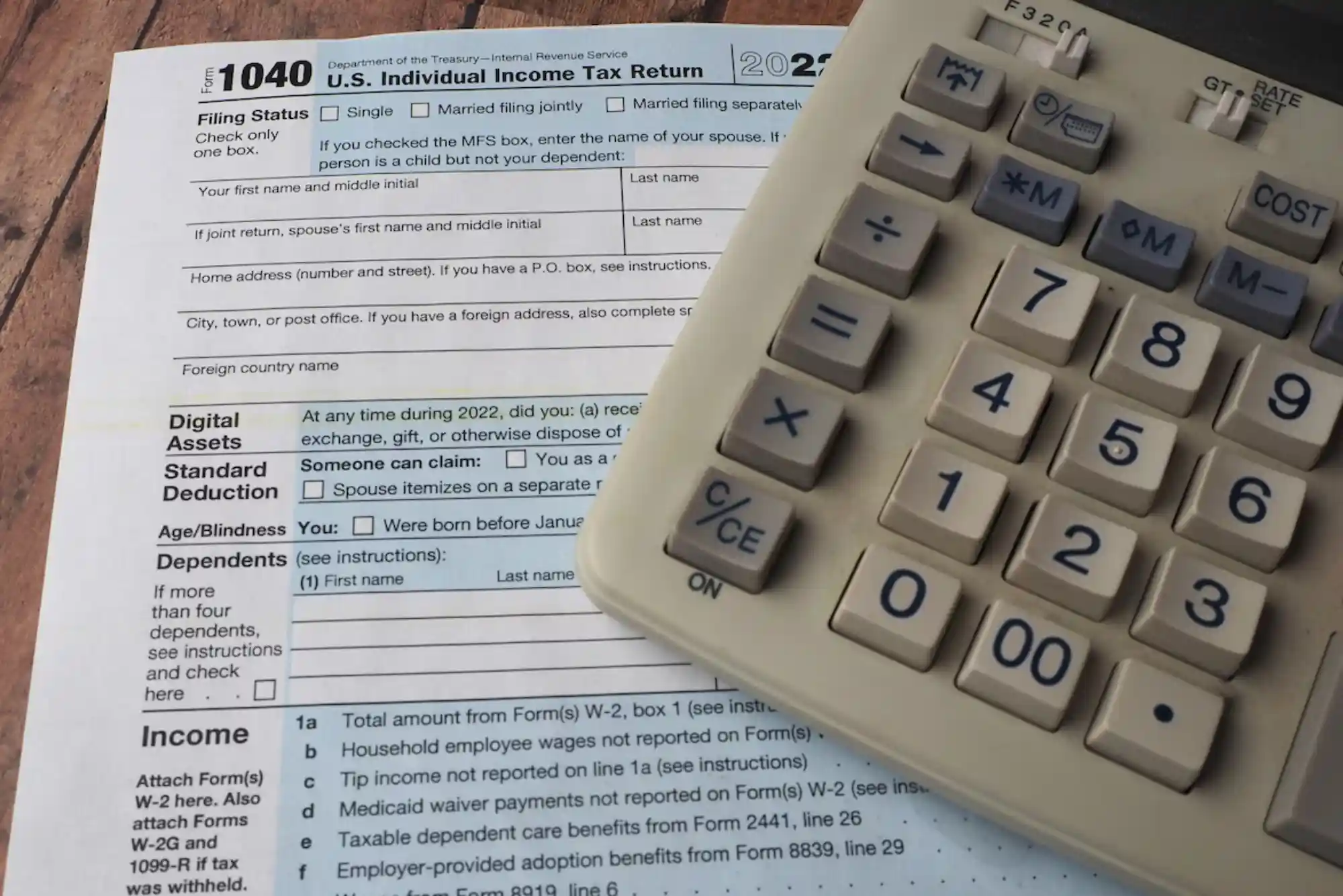
Waiting for a tax refund can feel frustrating, especially when you are expecting the money for bills, savings, or other important expenses. If you are wondering How Long does It Take to Get Your Tax Refund, the answer depends on several factors. These include how you filed, whether you chose direct deposit, and whether your tax return requires additional review.
In many cases, electronically filed returns with direct deposit are processed much faster than paper returns. However, no two tax situations are exactly the same. Errors, missing information, identity verification, and certain tax credits can also delay a refund.
Understanding the usual timeline can help you set realistic expectations. It can also help you identify when a delay may require further action.
How Long Does It Take to Get Your Tax Refund?
The time needed to receive a tax refund varies by tax authority and filing method. For many taxpayers, an electronically filed return with direct deposit is the fastest option.
If your return is accepted without problems, your refund may arrive relatively quickly. Paper returns usually take longer because they require additional handling and processing.
Therefore, when asking How Long does It Take to Get Your Tax Refund, consider the entire process. Your return must first be submitted, received, reviewed, and approved before the refund is issued.


The payment method also matters. Direct deposit generally allows you to receive funds sooner than a mailed paper check.
What Happens After You File Your Tax Return?
After submitting your tax return, the tax authority begins processing the information. First, it checks your return for basic information and potential errors.
Next, the system may compare the information with records received from employers, financial institutions, and other reporting sources. This helps identify inconsistencies and potential fraud.
If everything appears correct, the refund can move toward approval and payment. However, some returns require additional checks before the refund is released.
This process explains why the answer to How Long does It Take to Get Your Tax Refund cannot always be reduced to one exact number.
Electronic Filing Usually Speeds Up Processing
Electronic filing is often more efficient than submitting a paper return. Digital returns can enter automated processing systems directly.
This reduces the need for manual data entry. It also makes it easier to identify missing information or mathematical mistakes during submission.
For taxpayers who want their refunds quickly, electronic filing can therefore be a practical choice. Combining electronic filing with direct deposit can make the overall process even more efficient.
However, faster processing is not guaranteed. A return can still be delayed if it requires additional verification.
Direct Deposit Can Help You Receive Your Refund Faster
The way you receive your refund can affect when the money becomes available. Direct deposit sends the payment electronically to your nominated bank account.
A mailed check generally takes longer because it must be printed, handled, and delivered. Bank processing can also influence when deposited funds become available.
Therefore, accurate banking information is important. A mistake in your account or routing details could create additional complications.
If your tax authority offers direct deposit, providing correct information can help avoid unnecessary payment delays.
Why Is My Tax Refund Taking Longer Than Expected?
There are several reasons why a tax refund may take longer than expected. One common reason is an error or inconsistency in the submitted return.
Incorrect personal details, income information, deductions, or bank details can trigger additional review. Missing documents can also slow down processing.
Identity verification is another possible reason. Tax authorities use verification procedures to protect taxpayers from refund fraud.
Some returns also receive additional scrutiny because of specific credits or unusual circumstances. In these situations, processing may take longer than the standard timeline.
If you are asking How Long does It Take to Get Your Tax Refund, remember that the published processing estimate may not apply to every return.
Common Factors That Affect Tax Refund Timing
Your refund timeline can change based on several circumstances. The filing method is one of the most important factors.
Electronic returns are generally easier to process than paper submissions. Direct deposit can also reduce payment delivery time.
The accuracy of your return matters as well. Returns containing incorrect or incomplete information may require manual review.
The time of year can also affect processing workloads. During busy filing periods, tax authorities may receive a large number of returns.
Finally, additional verification can extend the timeline. This is particularly important when the information on your return does not match other records.
Does Filing Early Make a Difference?
Filing earlier can have practical advantages. It allows your return to enter the processing system sooner.
Early filing may also give you more time to correct problems if your return is rejected. You can review the information and submit a corrected return when necessary.
However, filing early does not guarantee an immediate refund. The tax authority still needs to process and approve your return.
Accuracy should therefore remain a priority. A carefully prepared return is often more helpful than simply submitting it as quickly as possible.
How Can You Check Your Tax Refund Status?
Most major tax authorities provide online refund tracking tools. These services allow taxpayers to see whether their return has been received, processed, or approved.
You will usually need information from your tax return to access your status. This may include your tax identification information and the expected refund amount.
Checking the official tax authority website is the safest approach. Avoid providing sensitive tax information to unofficial websites or people claiming they can release your refund.
If the status has not changed for some time, review any messages or notices associated with your return. The tax authority may request additional information.
What Should You Do If Your Refund Is Delayed?
A delayed refund does not automatically mean something is wrong. Processing times can vary significantly between individual taxpayers.
First, check your refund status through the official tax authority. Look for notices requesting documents or additional information.
Next, review the details you submitted. Confirm that your personal information and banking details were accurate.
If the tax authority specifically asks for supporting documentation, respond as soon as possible. Delaying your response can extend the processing period.
You should also be cautious about refund scams. Legitimate tax authorities generally provide official channels for communicating about your return.
Can Tax Credits Delay Your Refund?
Certain tax credits may require additional verification. This does not necessarily mean your return contains a problem.
Tax authorities may review eligibility and supporting information before approving refunds involving particular credits. These checks help prevent improper payments and fraudulent claims.
As a result, taxpayers claiming certain credits may experience longer processing times.
When considering How Long does It Take to Get Your Tax Refund, always account for the possibility of additional review. Your refund timeline may differ from someone with a simpler return.
Paper Tax Returns Can Take Longer
Paper filing usually involves more manual handling. The return must be physically received and processed before the information enters the tax system.
This can increase processing time compared with electronic filing. Mailing time adds another stage before processing begins.
For taxpayers who want a more convenient filing experience, electronic filing can often be preferable.
Still, some taxpayers may need or prefer paper filing because of their individual circumstances. In that case, keeping proof of mailing and copies of submitted documents is sensible.
What If Your Tax Return Has an Error?
An error can cause a return to be rejected or require additional review. Common problems include incorrect income figures and mismatched personal information.
Banking details can also create payment problems. For example, incorrect account information may prevent a direct deposit from reaching you.
If your return is rejected, carefully review the reason provided. Correct the issue and follow the official instructions for resubmission.
Avoid submitting multiple returns simply because your refund has not arrived. Duplicate submissions can create further complications.
How Accurate Information Can Prevent Delays
Accuracy is one of the simplest ways to support smoother tax processing. Before submitting your return, check names, identification numbers, income figures, deductions, and bank details.
Compare important figures against your tax documents. Make sure information from employers or financial institutions is entered correctly.
You should also retain copies of your tax return and supporting documents. These records can be useful if the tax authority asks for clarification later.
Taking extra time before filing can help prevent avoidable processing issues.
How Long Does It Take to Get Your Tax Refund After Approval?
Approval and payment are related but separate stages. Once a refund is approved, the payment still needs to be issued.
With electronic payment, funds may reach your account sooner than a mailed check. However, banking schedules and administrative processing can affect the final timing.
Therefore, even an approved refund may not appear in your account immediately.
If your refund has been approved but has not arrived within the stated timeframe, check the official status information. You may also need to contact the relevant tax authority.
Understanding How Long Do Taxes Take to Come Back can help you plan your finances. Refund times vary based on how you file, the tax authority, and whether your return needs additional review. E-filing with direct deposit is often faster, while paper returns may take longer.
Frequently Asked Questions
How long does it usually take to get a tax refund?
The timeline varies depending on the tax authority, filing method, payment method, and return complexity. Electronic filing and direct deposit are generally faster.
How long after filing will I get my refund?
There is no universal timeframe. Your refund must first be received, processed, reviewed, approved, and issued.
Why is my tax refund taking so long?
Possible reasons include processing delays, errors, missing information, identity verification, or additional review of your return.
Can I track my tax refund?
Yes. Many tax authorities provide official online refund-status tools. Use the government website rather than unofficial tracking services.
Does direct deposit make a tax refund faster?
Direct deposit can reduce the time needed to deliver the payment compared with a mailed check. However, it does not necessarily speed up the review of your tax return.
What should I do if my refund is delayed?
Check the official refund-status service first. Review any notices and provide requested information promptly if additional documentation is required.
Conclusion
So, How Long does It Take to Get Your Tax Refund depends on several factors. Electronic filing, direct deposit, accurate information, and a straightforward return can support faster processing.
Related Reading: Can Investment Property Be Depreciated?
Related Reading: How Long Will It Take to Get My Tax Refund
Related Reading: How Long Do Taxes Take to Come Back
Related Reading: How Long Does It Take to Get a Car Loan