

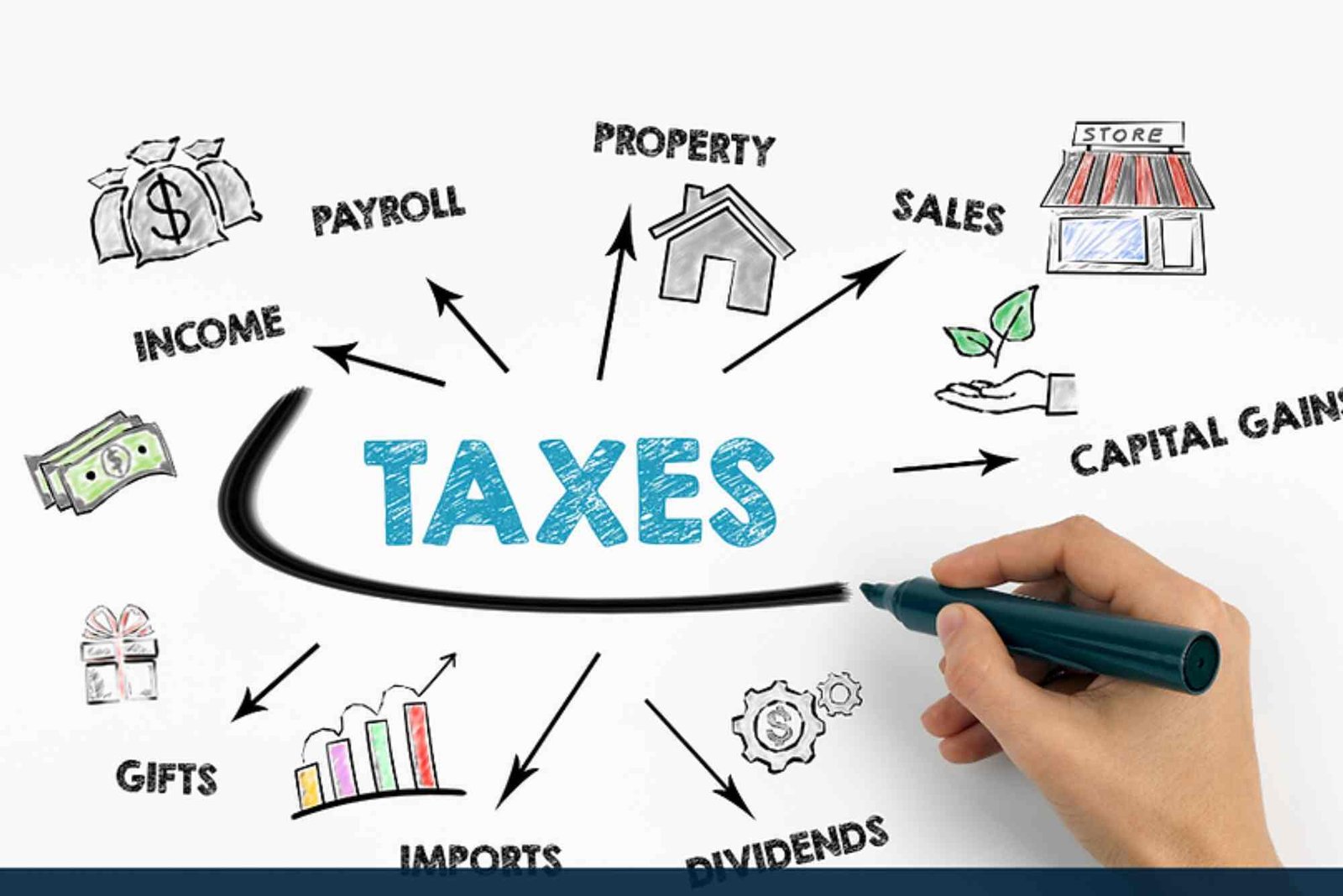


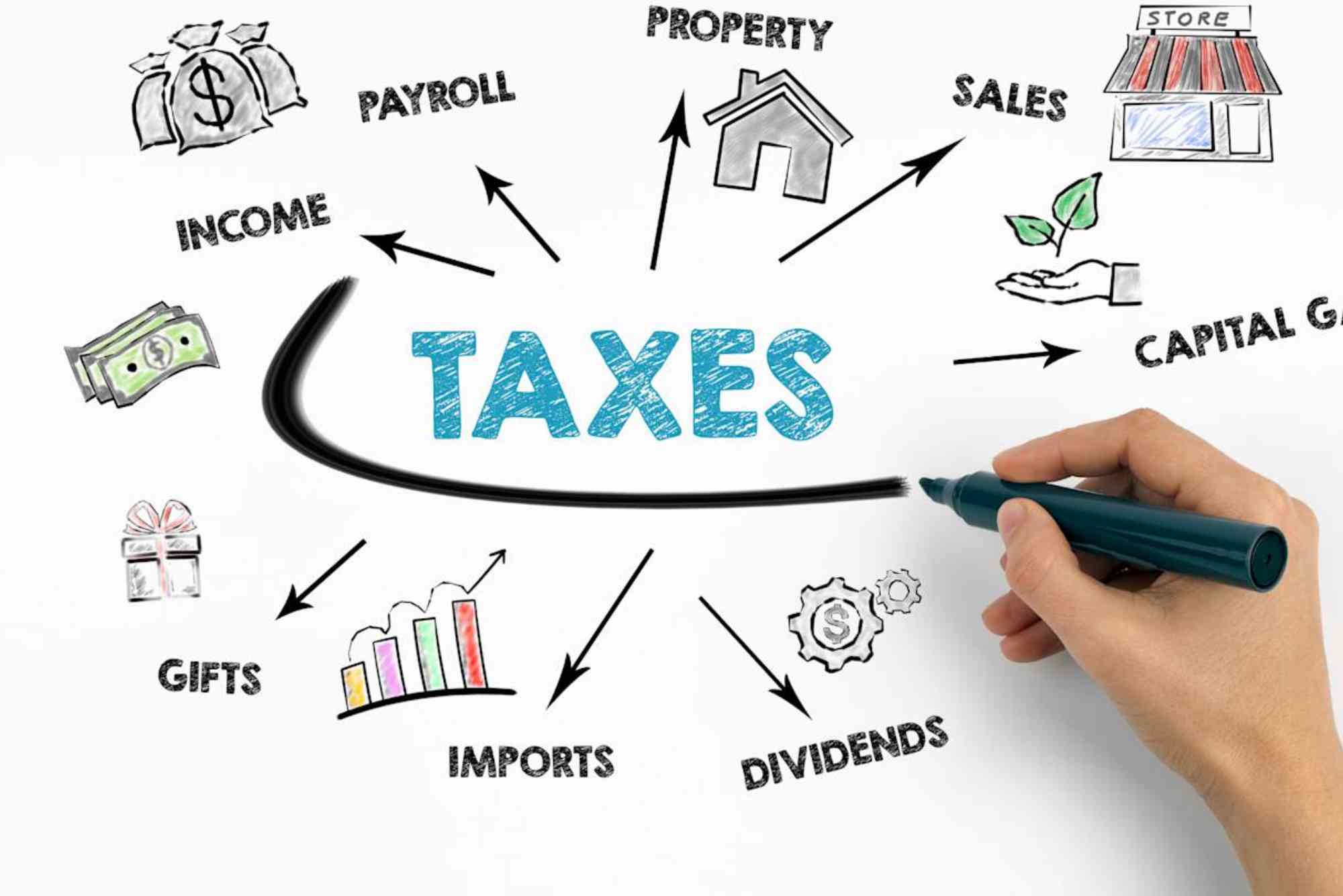
Taxes affect nearly every person, business, and community. Yet many people still ask the same question: what are taxes used for? Understanding how tax money works helps citizens see how governments fund essential services and maintain national stability.
Taxes are the primary way governments collect revenue to operate and provide public services. Without taxes, it would be difficult to build roads, run schools, maintain hospitals, or protect national security. In simple terms, taxes transform individual contributions into collective benefits that support society.
When people search for what are taxes used for, they are usually trying to understand where their money goes. Governments use tax revenue to support infrastructure, healthcare, education, defense, welfare programs, and economic development. These services affect daily life, even if people do not notice them immediately.
In this article, you will learn what taxes are used for, how governments allocate tax revenue, and why taxation is essential for modern economies.
Understanding the Purpose of Taxes
To fully understand what taxes are used for, it is important to understand why taxes exist in the first place. Taxes are mandatory financial contributions collected by governments from individuals and businesses. These funds support public goods and services that benefit society as a whole.
Governments at local, state, and national levels collect taxes. Each level uses tax money for different responsibilities. Local governments may fund schools and police departments, while national governments manage defense and international relations.


Taxes also help maintain economic balance. Through public spending, governments stimulate economic activity, create jobs, and invest in long-term development. Institutions such as the World Bank frequently highlight how tax systems support sustainable growth and social stability.
When people understand what taxes are used for, they often see how these contributions maintain infrastructure, public health systems, and essential government operations.
Taxes and Public Infrastructure
One of the most visible answers to the question what are taxes used for is infrastructure development. Infrastructure includes roads, bridges, public transportation systems, water supply networks, and power systems.
Well-maintained infrastructure allows businesses to operate efficiently and helps communities function smoothly. When governments collect tax revenue, a significant portion goes toward construction, maintenance, and modernization projects.
Road networks, for example, require constant repair and upgrades to remain safe and efficient. Bridges must meet safety standards, and transportation systems require regular funding to serve millions of commuters.
These investments improve economic productivity. Businesses can transport goods more quickly, employees can reach workplaces more easily, and cities become more attractive for investment.
Infrastructure spending also creates jobs. Engineers, construction workers, and project managers all benefit from government-funded projects. As a result, tax-funded infrastructure supports both economic growth and employment.
Understanding what taxes are used for often begins with recognizing the role taxes play in building the physical systems that keep a country moving.
Taxes Support Education Systems
Another critical answer to what are taxes used for lies in education funding. Schools, universities, libraries, and research institutions rely heavily on tax revenue.
Public education systems require funding for teachers’ salaries, school facilities, learning materials, and technology. Governments also invest in scholarships, grants, and student support programs.
Education spending improves long-term economic outcomes. A well-educated population tends to have higher productivity, stronger innovation, and better employment opportunities.
Many governments also use tax money to fund educational research and scientific development. Research universities and innovation programs often rely on public funding to develop new technologies and medical discoveries.
Organizations such as the UNESCO consistently emphasize the importance of public investment in education for global development.
Therefore, when people ask what taxes are used for, education is one of the most significant answers because it shapes future generations and strengthens national competitiveness.
Healthcare and Public Health Programs
Healthcare represents another major area where tax revenue is spent. When exploring what are taxes used for, it becomes clear that public health systems rely heavily on government funding.
Tax money often supports hospitals, medical research, vaccination programs, and emergency medical services. These systems help ensure that citizens receive essential healthcare regardless of income.
Public health programs also include disease prevention initiatives. Governments invest in awareness campaigns, health monitoring systems, and emergency preparedness plans.
During global health crises, tax-funded systems become even more critical. Public health agencies coordinate responses, distribute vaccines, and provide medical resources to affected populations.
Organizations like the World Health Organization frequently collaborate with governments that fund health initiatives through tax revenue.
Understanding what taxes are used for becomes easier when people recognize how tax-funded healthcare protects communities and improves life expectancy.
National Defense and Security
National security is another important answer to the question what are taxes used for. Governments allocate tax revenue to maintain armed forces, intelligence services, and national defense systems.
Defense spending includes military training, equipment development, cybersecurity systems, and border protection. These services help safeguard national sovereignty and protect citizens from external threats.
In many countries, defense budgets also support disaster response operations. Military forces often assist during floods, earthquakes, and other emergencies.
Funding national defense requires long-term planning and large investments. Advanced technology, training programs, and strategic infrastructure all rely on stable financial support.
The North Atlantic Treaty Organization highlights how strong defense systems contribute to international stability and security partnerships.
When considering what taxes are used for, national defense plays a crucial role in protecting both citizens and national interests.
Social Welfare and Public Assistance
Taxes also support social welfare programs designed to help vulnerable populations. When examining what are taxes used for, social safety nets represent an essential component.
Governments use tax revenue to fund unemployment benefits, food assistance programs, housing support, and disability services. These programs provide temporary financial stability for individuals facing economic hardship.
Social welfare systems reduce poverty and help maintain social stability. They ensure that basic needs such as food, shelter, and healthcare remain accessible to those who need support.
Public pension systems are another major tax-funded program in many countries. These programs provide retirement income for older citizens who contributed during their working years.
When people better understand what taxes are used for, they often recognize how social programs create stronger and more resilient communities.
Economic Development and Innovation
Another important aspect of what taxes are used for involves economic development initiatives. Governments frequently invest tax revenue into programs designed to stimulate economic growth.
These programs may include small business grants, innovation funds, infrastructure improvements, and workforce development projects. Governments also support research and technology sectors through public funding.
Economic development programs encourage entrepreneurship and attract investment. New businesses create jobs, generate additional tax revenue, and contribute to long-term economic expansion.
Public funding also supports emerging industries such as renewable energy, artificial intelligence, and biotechnology. These investments often lead to technological breakthroughs and competitive advantages.
Understanding what taxes are used for helps citizens see how government spending can drive innovation and strengthen national economies.
Local Services and Community Programs
Many everyday services that people rely on are funded by taxes. When discussing what are taxes used for, local services are among the most immediate examples.
Tax revenue supports police departments, fire services, sanitation systems, public parks, and community development programs. These services ensure safe neighborhoods and clean environments.
Local governments often allocate tax funds to maintain recreational facilities, libraries, and cultural centers. These institutions improve quality of life and support community engagement.
Public transportation systems also rely heavily on tax funding. Buses, trains, and urban transit networks allow millions of people to travel efficiently each day.
If you want to learn more about community development initiatives, you can explore helpful insights through the anchor text community fitness programs connected with internal resources. Additionally, understanding local economic growth strategies can offer further perspective on how cities invest tax revenue. Businesses like OrangeTheory Mountain View demonstrate how local economies benefit when communities invest in health and wellness environments.
These everyday services provide one of the clearest answers to what taxes are used for, because they affect daily life directly.
Why Understanding Taxes Matters
Many people pay taxes without fully understanding how those funds support society. Learning what taxes are used for can increase transparency and encourage informed civic participation.
When citizens understand government spending, they can make better decisions during elections and policy discussions. Public awareness also promotes accountability and responsible budgeting.
Tax systems vary between countries, but the fundamental principle remains the same. Individuals contribute a portion of their income so that governments can provide services that benefit everyone.
This collective funding model allows societies to maintain infrastructure, protect public health, and invest in future development.
By understanding what taxes are used for, citizens gain a clearer perspective on how their financial contributions shape communities and national progress.
Frequently Asked Questions
Why do governments collect taxes?
Governments collect taxes to fund essential public services and national operations. These services include infrastructure, healthcare, education, security, and social programs. Without taxes, governments would struggle to maintain these systems and provide benefits that support society.
What are the main things taxes pay for?
Taxes typically fund infrastructure projects, schools, healthcare systems, military defense, and welfare programs. They also support emergency services, environmental protection, and economic development initiatives that help communities grow.
Do all taxes go to the federal government?
No, taxes are collected at multiple levels. Local governments collect property taxes, state governments collect sales or income taxes, and national governments collect federal taxes. Each level uses these funds for different responsibilities and public services.
How do taxes benefit society?
Taxes help create stable societies by funding programs that support education, healthcare, transportation, and safety. These investments improve quality of life and enable economic growth over time.
What would happen if there were no taxes?
Without taxes, governments would lack the funding required to operate public services. Infrastructure, healthcare systems, emergency response programs, and national defense would all face severe limitations.
Why Taxes Matter More Than You Think
Understanding what taxes are used for provides valuable insight into how modern societies function. Taxes support the systems that make daily life possible, from roads and hospitals to schools and security services.
Although paying taxes may not always feel rewarding, the collective benefits are enormous. Tax revenue enables governments to build infrastructure, protect public health, support education, and invest in economic growth.
How to Calculate Corporate Income Tax Provision Corporate income tax provision is calculated by determining a company’s taxable income and applying the applicable corporate tax rate. Businesses start with accounting profit, adjust for permanent and temporary differences, and subtract allowable deductions or credits. The final amount represents the tax expense a company records in its financial statements for the reporting period.