




Introduction
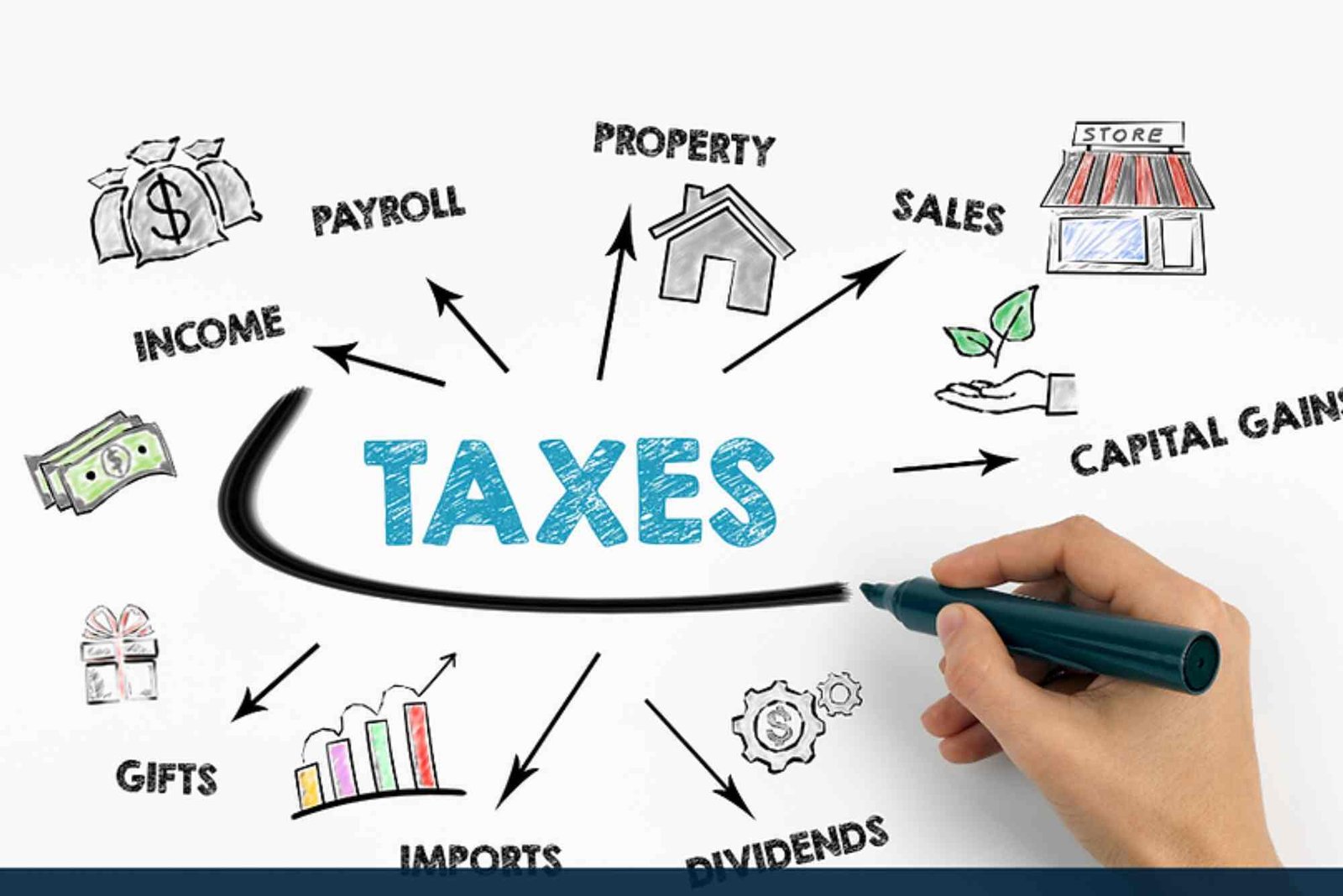
Understanding how does taxes work in USA can feel confusing, especially for new workers, immigrants, students, and business owners. The US tax system has several layers. These include federal income tax, state taxes, payroll taxes, and local taxes.
In simple terms, taxes are payments made to government authorities. The government uses this money to fund public services and programs. These include roads, schools, healthcare programs, national defense, and social security.
The amount you pay depends on several factors. Your income, filing status, location, deductions, credits, and other circumstances can affect your final tax bill.
This guide explains how does taxes work in USA in clear and practical terms. It also explains when taxes are paid, how tax brackets work, and why some people receive refunds.
How Does Taxes Work in USA?
The US tax system is based mainly on income. People generally pay taxes based on money they earn during the year.
However, the system is more complicated than simply applying one percentage to your total income. The federal government uses progressive tax rates. This means different portions of your taxable income can be taxed at different rates.


For example, moving into a higher tax bracket does not mean all your income is suddenly taxed at that higher rate. Only the portion within that bracket receives the higher rate.
Your employer may also withhold taxes from each paycheck. This helps you pay your tax liability throughout the year rather than making one large payment.
At the end of the tax year, you usually file a tax return. The return compares your actual tax liability with the amount already paid.
If you paid too much, you may receive a refund. If you paid too little, you may need to pay the remaining balance.
Federal Income Tax
Federal income tax is one of the most important parts of the US tax system. It is collected by the federal government and administered by the Internal Revenue Service.
Most people who earn taxable income may have a federal income tax obligation. This can include wages, salaries, self-employment income, investment income, and certain other earnings.
The amount of federal tax depends on your taxable income and filing situation.
Taxable income is not always the same as your total income. Certain deductions can reduce the amount of income subject to federal income tax.
This distinction is important when learning how does taxes work in USA.
Understanding Tax Brackets
Federal income tax brackets are progressive. Therefore, different portions of your taxable income can face different rates.
Suppose a taxpayer’s income reaches several tax brackets. The first portion is taxed at the lowest applicable rate. The next portion is taxed at a higher rate. This process continues as taxable income increases.
Therefore, having a higher marginal tax rate does not mean every dollar you earn is taxed at that rate.
Your marginal tax rate applies to your next dollar of taxable income. Your effective tax rate represents the overall percentage of taxable income paid in federal income tax.
This difference often causes confusion among taxpayers.
Standard Deduction and Itemized Deductions
Deductions can reduce taxable income. The two main approaches for individual taxpayers are the standard deduction and itemized deductions.
The standard deduction is a set amount that eligible taxpayers can subtract from income. Its value changes periodically and can depend on filing status.
Itemized deductions allow eligible taxpayers to claim specific qualifying expenses instead. These may include certain medical expenses, charitable contributions, and qualifying taxes or interest.
Taxpayers generally choose the approach that provides the greater tax benefit.
Because tax rules can change, taxpayers should check current IRS guidance before filing.
Tax Credits Are Different From Deductions
Tax credits and deductions both can reduce your tax burden. However, they work differently.
A deduction reduces taxable income. A tax credit directly reduces the amount of tax owed.
For example, if you qualify for a $1,000 tax credit, that credit can generally reduce your tax liability by $1,000.
Some tax credits are refundable. A refundable credit may provide a refund even when the credit exceeds certain remaining tax liability.
Common credits can relate to children, education, energy improvements, and other qualifying circumstances.
Understanding the difference between deductions and credits is essential when considering how does taxes work in USA.
Payroll Taxes
Income tax is not the only tax that may appear on your paycheck. Employees also commonly pay payroll taxes.
Payroll taxes primarily support Social Security and Medicare.
Employees generally have Social Security and Medicare taxes withheld from their wages. Employers also contribute their share of these taxes.
Self-employed individuals generally handle these obligations differently. They may be responsible for both the employee and employer portions through self-employment tax rules.
Your pay statement usually shows these deductions separately. Reviewing your paycheck can help you understand where your earnings are going.
State and Local Taxes
Federal taxes apply across the country. However, states can have their own tax systems.
Some states impose individual income taxes. Others do not have a broad individual state income tax.
State tax rules can vary significantly. The same income may result in different state tax obligations depending on where you live and work.
Some cities, counties, and other local governments may also impose taxes.
Therefore, how does taxes work in USA depends partly on your location. Federal rules provide a national framework, while state and local governments can add additional requirements.
How Employers Withhold Taxes
Most employees do not send their income tax payments directly to the government every payday. Instead, employers usually withhold certain amounts from their wages.
The amount withheld depends partly on information provided through tax forms and payroll settings.
Your employer generally sends withheld amounts to the appropriate government authorities.
At the end of the year, you receive documents showing your earnings and certain taxes withheld. Employees commonly receive Form W-2 for wages.
These documents are important when preparing a tax return.
If too much was withheld, you may receive a refund after filing. If too little was withheld, you may owe additional tax.
How Tax Filing Works
Most taxpayers who are required to file submit an annual tax return.
For individual federal income taxes, the tax year generally follows the calendar year. Tax returns are usually due in April, although the exact deadline can change because of weekends, holidays, or special circumstances.
When filing, you report income and relevant tax information. You then calculate your taxable income and tax liability.
After accounting for withholding, estimated payments, deductions, and credits, you determine whether you owe money or qualify for a refund.
Many taxpayers file electronically. Electronic filing can make submitting information faster and may reduce certain errors.
Why Do People Get Tax Refunds?
A tax refund usually means you paid more tax during the year than your final tax liability required.
For employees, this often happens because federal income tax was withheld from each paycheck.
Imagine your employer withheld $8,000 throughout the year. Your final federal income tax liability might be $7,000.
In that situation, the difference may be refunded after your return is processed.
A refund is not necessarily a government bonus. It generally represents money that was previously paid toward your taxes.
Some taxpayers intentionally adjust withholding to avoid owing a large balance. Others prefer smaller withholding so they can keep more money in each paycheck.
What Happens If You Owe Taxes?
Not every taxpayer receives a refund. Sometimes, the amount already paid is lower than the final tax liability.
In that situation, you generally need to pay the remaining balance by the applicable deadline.
Failing to pay taxes on time can result in interest and penalties. The consequences depend on the circumstances and applicable tax rules.
If you expect to owe taxes, planning ahead can make the payment easier.
Self-employed individuals and others without sufficient withholding may need to make estimated tax payments during the year.
Taxes for Self-Employed People
Self-employed workers often have additional tax responsibilities.
Instead of having an employer withhold taxes automatically, they generally need to track income and expenses themselves.
Business-related expenses may qualify as deductions when they meet applicable tax requirements. Accurate records are therefore extremely important.
Self-employed individuals may also need to account for self-employment tax and estimated payments.
Because business structures differ, the rules can become complicated. A qualified tax professional can help determine which rules apply to a particular situation.
Taxes on Investments
Taxation can also apply to investment income.
Interest, dividends, and profits from selling investments may receive different tax treatment.
For example, selling an investment for more than its adjusted cost can create a capital gain. The applicable tax treatment can depend on factors such as the type of asset and how long it was held.
Investment tax rules can be complicated. Keeping accurate records of purchases, sales, dividends, and other transactions is important.
Do All People Pay the Same Amount of Tax?
No. Two people earning the same salary can have different tax bills.
Their tax situations may differ because of filing status, deductions, credits, dependents, investment income, state of residence, and other factors.
For example, one taxpayer may qualify for credits that another taxpayer cannot claim.
Similarly, state and local taxes can differ based on location.
Therefore, income alone does not determine someone’s complete tax obligation.
Common Tax Filing Mistakes
Tax mistakes can create unnecessary problems. One common mistake is entering incorrect income information.
Another is claiming deductions or credits without meeting the eligibility requirements.
Taxpayers should also keep important records. These may include income statements, receipts, donation records, investment documents, and business expenses.
Using outdated tax information can also cause problems. Tax thresholds, deductions, credits, and other rules can change from year to year.
Understanding how the American tax system works can help individuals and businesses manage their finances more effectively. Taxes may apply to income, purchases, property, and investments, depending on circumstances. Learning about federal, state, and local taxes can make it easier to meet tax obligations and plan finances confidently.
Frequently Asked Questions
How much tax do I pay in the USA?
The amount varies based on taxable income, filing status, deductions, credits, state, and other factors. Federal income tax uses progressive rates.
What percentage of income is taxed in the USA?
There is no single tax percentage for everyone. Federal tax brackets apply different rates to different portions of taxable income.
How do tax brackets work in the USA?
Tax brackets divide taxable income into ranges. Each range can have a different tax rate. Only the income within a higher bracket receives that higher rate.
Do you have to pay taxes in America?
Most people with taxable income have some tax responsibilities. However, filing and payment requirements depend on income, circumstances, and applicable laws.
How does the US government collect taxes?
The government collects taxes through methods such as paycheck withholding, estimated payments, tax returns, and other required payments.
Why do Americans get tax refunds?
People generally receive refunds when their payments and withholding exceed their final tax liability. Certain refundable credits can also affect refunds.
When are US taxes due?
Individual federal tax returns are generally due in April. The exact deadline can vary, so taxpayers should check the current IRS deadline.
Conclusion
Learning how does taxes work in USA becomes easier when you understand the main components. Federal income tax, payroll taxes, state taxes, deductions, credits, and withholding all play important roles.
Your total tax obligation depends on your personal financial circumstances. Your income is important, but it is not the only factor.
Related Reading: How Does Credit Card Loan Work
Related Reading: How Do Taxes Work in Canada?
Related Reading: How Long Do Taxes Take to Come Back — full guide
Related Reading: How Much Are Airport Taxes and Fees?