




Introduction
Are there taxes in Canada? Yes, absolutely. If you live, work, or run a business in the country, you must pay taxes. The Canadian tax system is robust and multi-layered. It funds vital public services like universal healthcare, public education, and infrastructure. Understanding how this system works is essential for newcomers, workers, and foreign investors alike.
Overview of the Canadian Tax System
Canada relies on a self-assessment tax system. Residents must report their income and financial activities to the government annually. The Canada Revenue Agency, commonly known as the CRA, handles tax collection for the federal government and most provinces. Taxes are split into different levels. You pay federal taxes to Ottawa and provincial or territorial taxes where you live. This revenue ensures that communities have clean water, roads, police protection, and social safety nets.
Personal Income Tax in Canada
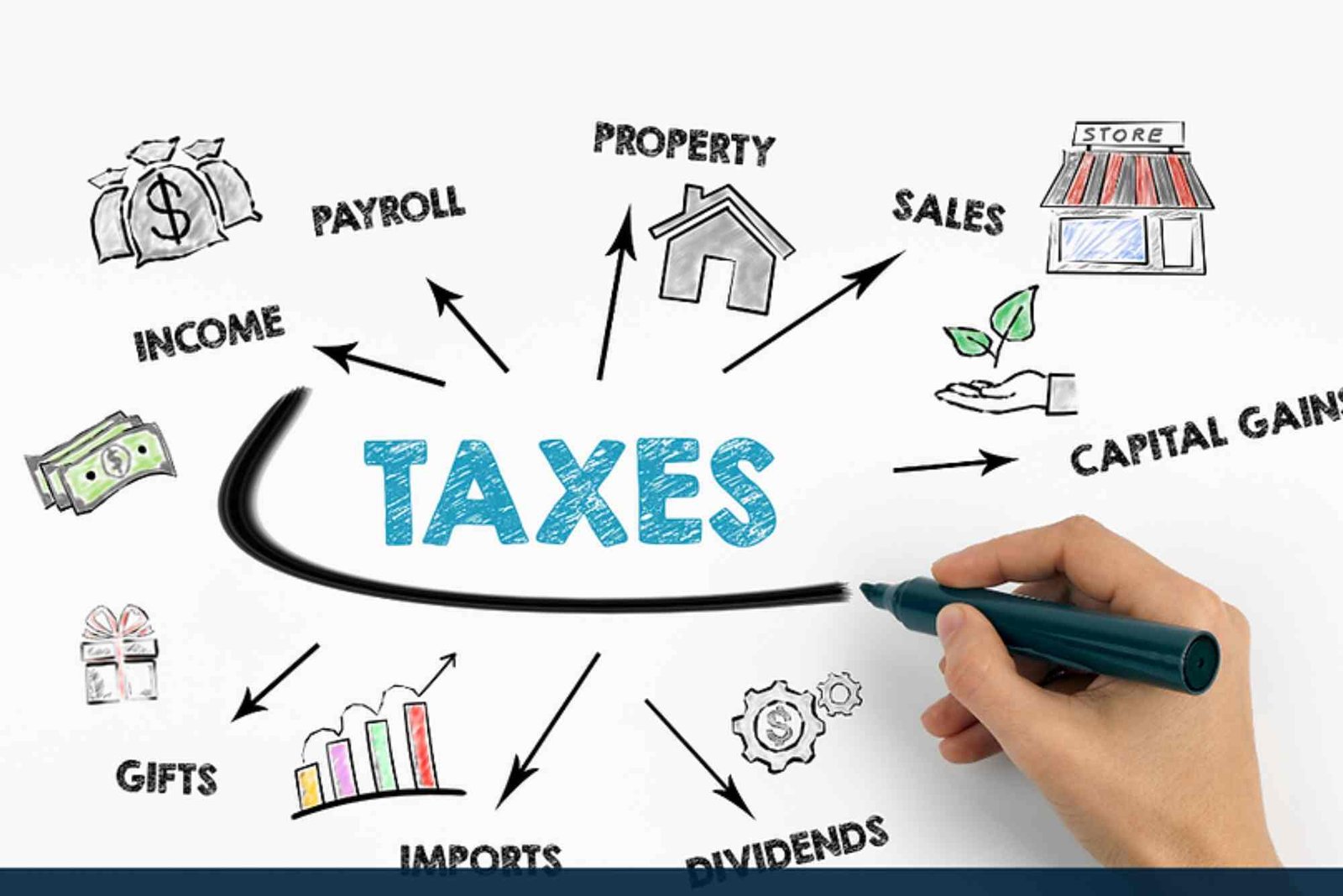
Personal income tax forms the largest share of government revenue. Anyone who qualifies as a tax resident of Canada must pay tax on their worldwide income. If you earn money from a job, freelance work, or investments, a portion goes to the government. Canada uses a progressive tax bracket system. This means higher earners pay a higher percentage. However, taxes do not apply to your entire income at the highest rate. Instead, income is taxed in slices.
Federal and Provincial Tax Brackets
Tax rates combine federal percentages with provincial rates. Federal tax brackets scale up depending on your total taxable income. On top of that, each province or territory adds its own provincial income tax calculation. For instance, living in Ontario means dealing with different provincial brackets than living in British Columbia or Alberta. Your total marginal tax rate depends entirely on your geographic location and your total earnings.
Consumption and Sales Taxes
Income is not the only thing the government taxes. Whenever you buy goods or services, you encounter consumption taxes. Canada uses a federal Goods and Services Tax, known as the GST. Provinces also levy their own Provincial Sales Tax, or PST. Some provinces combine these into a single Harmonized Sales Tax, or HST. For example, Ontario uses the HST, while Alberta only charges the federal GST. Essential items like basic groceries and prescription drugs are often exempt or zero-rated.
Property and Corporate Taxes
Property ownership triggers another layer of taxation. Municipal governments levy property taxes on real estate based on home values. These funds directly support local firefighting, libraries, and road maintenance. Meanwhile, businesses operating in Canada pay corporate taxes. Corporations enjoy competitive tax rates, especially small businesses, to encourage local economic growth and job creation.


Important Tax Deadlines and Compliance
Staying compliant requires keeping track of strict calendar dates. The standard tax year runs from January 1 to December 31. For most individuals, the deadline to file income tax returns and pay any owed balance is April 30 of the following year. Self-employed individuals usually have until June 15 to file, though any balance owing remains due by April 30. Filing late triggers immediate penalties and daily compounding interest charges from the CRA.
Frequently Asked Questions
Do I have to file a tax return if I made no money in Canada?
You are not legally forced to file if you earned zero income and owe nothing. However, filing is strongly recommended. Filing your tax return unlocks government benefits like the GST/HST credit and the Canada Child Benefit.
Are gifts and inheritances taxed in Canada?
Generally, cash gifts and inheritances received from an estate are not considered taxable income by the CRA. You do not have to pay income tax on money gifted to you by family or friends.
What happens if I forget to file my taxes on time?
If you owe money and miss the deadline, the CRA charges a late-filing penalty of 5% of your balance owing, plus an extra 1% for each full month you delay, up to a maximum of 12 months.
Conclusion
So, are there taxes in Canada? Yes, taxes touch almost every aspect of financial life, from employment earnings to retail purchases and real estate ownership. While navigating the CRA system, federal brackets, and provincial sales taxes can feel overwhelming at first, proper planning makes it manageable. Always keep accurate records, respect filing deadlines, and leverage tax credits to optimize your return. Ready to file your Canadian taxes with confidence? Gather your documents, check your provincial guidelines today, and ensure your return is submitted before the April 30 deadline.
Managing your finances becomes much easier when you have access to trusted information and practical tools. Whether you’re looking for personal finance tips, loan guidance, investment insights, or the latest financial updates, reliable resources can help you make informed decisions. Explore expert advice and useful solutions by visiting Financer.ae for smarter financial planning.
Related Reading: What Happens if I Don T File My Taxes
Related Reading: When is Tax Season Canada?
Related Reading: When is Tax Season Canada?
Related Reading: Am Ia Tax Resident in the UK?
Related Reading: How to Manage Investments?
Related Reading: Do Students Have to Pay Council Tax?
Related Reading: Do Influencers Pay Taxes? — full guide
Related Reading: What's the Tax in Canada — full guide