




Introduction
For centuries, investors have turned to precious metals as a way to preserve wealth and protect themselves against economic uncertainty. While gold often receives the most attention, silver has quietly become a popular choice for investors looking for affordability, long-term value, and portfolio diversification. But the question remains: Is Physical Silver a Good Investment?
The answer depends on your financial goals, investment timeline, and risk tolerance. Physical silver offers unique advantages that differ from stocks, bonds, and digital assets. Unlike paper investments, it is a tangible asset that you can hold in your hands, making it attractive during periods of inflation, market volatility, and currency fluctuations.
Whether you are building your first investment portfolio or looking to diversify existing assets, understanding the benefits and challenges of owning physical silver can help you make an informed decision. This guide explores everything you need to know before investing in physical silver.
Understanding Physical Silver as an Investment
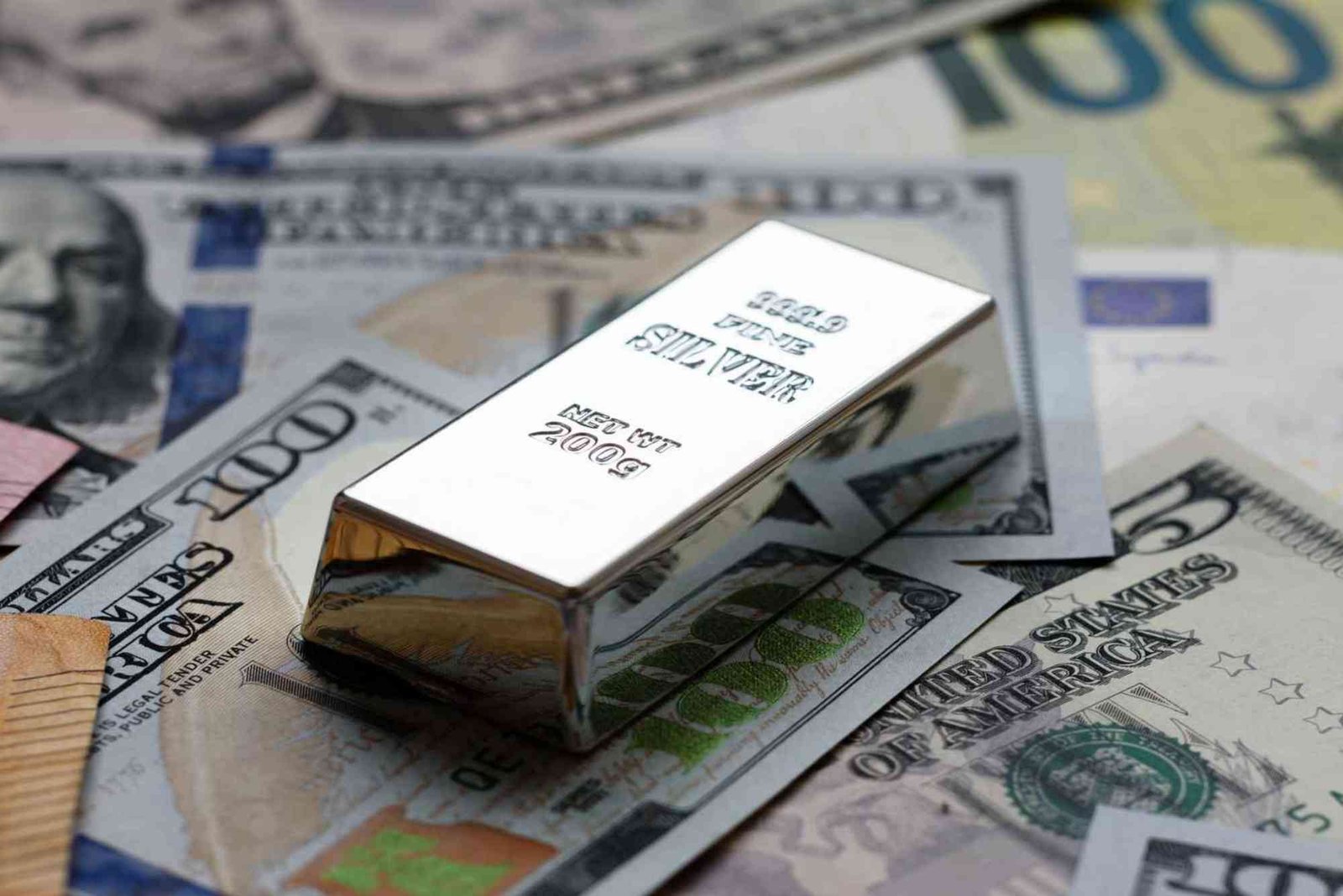
Physical silver refers to actual silver products that investors own directly rather than through financial instruments. These include silver bullion bars, government-issued bullion coins, and privately minted rounds.
Unlike silver exchange-traded funds (ETFs) or mining company stocks, physical silver gives investors direct ownership of the metal itself. There is no dependence on financial institutions or third parties, which appeals to many investors seeking greater control over their wealth.
Because silver has both industrial and investment demand, its market behaves differently from many other precious metals. Industries such as electronics, renewable energy, electric vehicles, and medical technology rely heavily on silver, creating ongoing demand beyond investment purposes.


Why Investors Choose Physical Silver
One of the main reasons people ask, Is Physical Silver a Good Investment?, is because silver combines affordability with long-term value.
Compared to gold, silver has a much lower purchase price, making it accessible for beginners who want exposure to precious metals without making a large financial commitment.
Silver has historically served as a store of value during uncertain economic periods. While prices may fluctuate in the short term, many investors consider physical silver an effective hedge against inflation and declining purchasing power.
Another advantage is diversification. Financial advisors often recommend spreading investments across different asset classes to reduce overall portfolio risk. Physical silver provides an alternative asset that often behaves differently from stocks and bonds.
When planning international finances or major expenses, understanding broader financial topics can also be helpful. For example, if you’re travelling abroad, learning about Is Travel Insurance Mandatory for USA? can help you prepare financially while protecting your trip.
How Silver Performs During Inflation
Inflation reduces the purchasing power of money over time. As everyday goods become more expensive, investors often look for assets capable of preserving wealth.
Historically, precious metals have attracted increased interest during inflationary periods. Although silver prices may experience short-term volatility, the metal has often appreciated when inflation remains elevated for extended periods.
Unlike cash, which loses value when inflation rises, physical silver remains a tangible asset with intrinsic worth.
Many investors purchase silver specifically as insurance against economic instability rather than expecting rapid short-term profits.
The Industrial Demand Supporting Silver Prices
One unique characteristic that separates silver from gold is its extensive industrial use.
Silver possesses excellent electrical conductivity, thermal conductivity, and antibacterial properties, making it essential in numerous industries.
Electronics Industry
Modern electronics use silver in smartphones, computers, circuit boards, and countless electronic components. As technology advances, industrial demand continues to grow.
Renewable Energy
Solar panel manufacturers require significant amounts of silver for photovoltaic cells. As countries invest heavily in renewable energy, silver demand is expected to remain strong.
Electric Vehicles
Electric vehicles contain more silver than conventional cars because of their advanced electrical systems and battery technologies.
Medical Applications
Silver’s antimicrobial properties make it valuable in medical equipment, wound dressings, and healthcare products.
These industrial uses provide an additional source of demand that supports long-term investment interest.
Benefits of Investing in Physical Silver
Physical silver offers several advantages that continue attracting investors worldwide.
Ownership is one of its biggest strengths. Unlike digital investments, physical silver cannot disappear because of a brokerage failure or technical issue.
Privacy is another benefit. In many jurisdictions, purchasing small quantities of silver may involve fewer reporting requirements than certain financial investments.
Silver also provides liquidity. Bullion coins and bars are widely recognized and can generally be sold through dealers or precious metal exchanges.
Many investors appreciate the psychological comfort of holding a tangible asset that exists outside the traditional banking system.
Potential Risks of Physical Silver
Every investment carries risk, and physical silver is no exception.
Silver prices can be volatile. Daily market movements are often larger than those experienced by gold.
Storage is another consideration. Investors must safely store their bullion at home, in secure safes, or through professional vaulting services.
Insurance costs may also apply if large quantities are stored.
Unlike dividend-paying stocks or interest-bearing bonds, physical silver does not generate regular income. Returns depend entirely on future price appreciation.
Investors should also understand dealer premiums, which are the additional costs above the spot price when purchasing physical silver.
Physical Silver vs Paper Silver
Many investors compare physical silver with financial alternatives such as ETFs.
Physical silver provides direct ownership, while ETFs simply track silver prices.
With physical silver, there is no counterparty risk because you own the actual metal.
Paper silver generally offers greater convenience and lower storage costs, but investors rely on financial institutions to manage those investments.
Those seeking long-term wealth preservation often prefer physical ownership despite the added responsibility of storage.
When Is Physical Silver a Good Investment?
The answer depends on your objectives.
Physical silver may be appropriate if you want portfolio diversification, inflation protection, long-term wealth preservation, or a tangible asset independent of financial markets.
It may not be ideal for investors seeking quick profits or regular passive income.
Silver should generally represent one part of a balanced investment strategy rather than an entire portfolio.
Long-term investors who understand market cycles often view silver as a strategic holding instead of a speculative trade.
How Much Physical Silver Should You Own?
There is no universal answer.
Many financial professionals suggest allocating a modest percentage of an investment portfolio to precious metals as part of diversification.
The appropriate allocation depends on age, financial goals, income stability, and overall investment strategy.
Rather than attempting to time the market perfectly, many investors purchase silver gradually through regular investments over time.
This approach helps reduce the impact of short-term price fluctuations.
Choosing the Right Type of Physical Silver
Investment-grade silver comes in several forms.
Government-issued bullion coins often provide strong recognition and liquidity.
Silver bars may offer lower premiums for investors purchasing larger amounts.
Privately minted rounds can also be cost-effective while containing the same silver purity.
Regardless of the product, buyers should always purchase from reputable dealers that provide authentication and transparent pricing.
Storage and Security Considerations
Protecting physical silver is essential.
Some investors use high-quality home safes for smaller holdings.
Others choose professional vault storage with insurance coverage for larger investments.
Keeping purchase records and verifying authenticity helps maintain resale value in the future.
Proper storage also protects silver from environmental damage and theft.
Is Physical Silver Better Than Gold?
This common question has no single answer.
Gold generally experiences lower price volatility and serves as a traditional safe-haven asset.
Silver offers greater affordability and stronger industrial demand, which may create higher growth potential during certain economic conditions.
Many experienced investors own both metals because each serves a different role within a diversified portfolio.
So, Is Physical Silver a Good Investment? For many investors, the answer is yes—provided it aligns with their financial objectives and overall investment strategy.
Physical silver offers tangible ownership, portfolio diversification, inflation protection, and exposure to growing industrial demand. Although prices can fluctuate and storage requires planning, silver continues to play an important role in long-term wealth preservation.
FAQs
Is physical silver a good investment during inflation?
Yes. Many investors purchase physical silver because it has historically helped preserve purchasing power during periods of rising inflation, although prices can still fluctuate.
Can physical silver increase in value?
Yes. Silver prices rise and fall based on market demand, industrial usage, economic conditions, and investor sentiment. Long-term appreciation is possible but not guaranteed.
Is buying silver better than buying gold?
It depends on your goals. Silver is more affordable and has significant industrial demand, while gold is generally less volatile and widely viewed as a traditional safe-haven investment.
How should beginners invest in physical silver?
Many beginners start by purchasing investment-grade bullion coins or bars from trusted dealers and gradually build their holdings over time.
Where is the safest place to store physical silver?
Small amounts can be stored in a secure home safe, while larger investments are often kept in insured professional vault storage for additional protection.
Related Reading: Are Gold ETFs a Good Investment?
Related Reading: Are Gold ETFs a Good Investment?