




Introduction
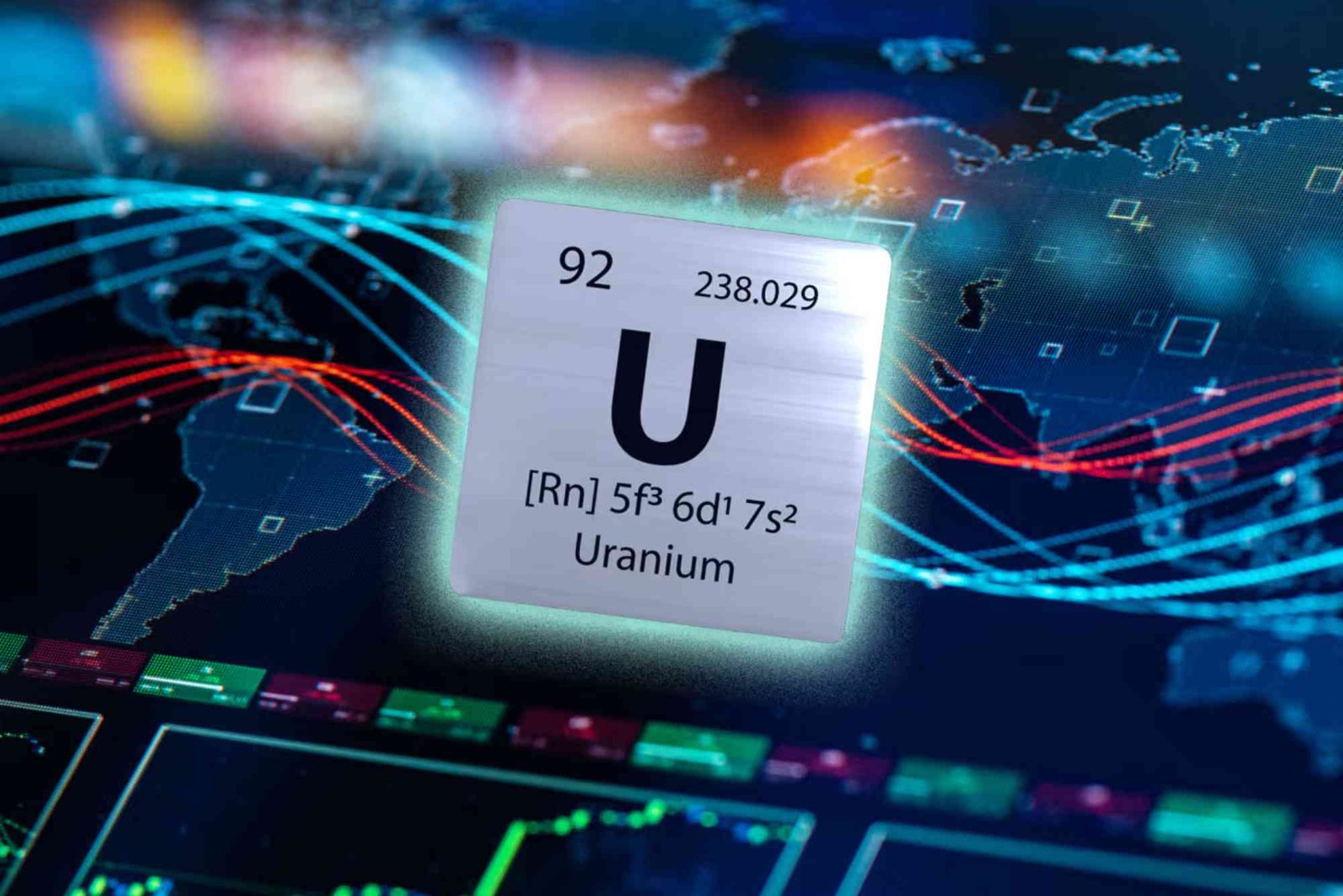
Investing in uranium has become one of the most discussed opportunities in the energy sector. As countries focus on reducing carbon emissions while meeting growing electricity demand, nuclear power is regaining attention. Since uranium is the essential fuel used in nuclear reactors, many investors are exploring how to invest in uranium as part of a diversified portfolio.
Unlike traditional commodities such as gold or oil, uranium has a unique market driven by long-term supply contracts, government policies, and global energy demand. Understanding the different ways to invest, the associated risks, and the industry’s future outlook can help you make informed financial decisions. This guide explains everything you need to know before entering the uranium market.
Why Uranium Is Becoming an Attractive Investment
The uranium market has experienced renewed interest due to increasing global support for nuclear energy. Governments around the world are extending the lifespan of existing reactors while approving the construction of new ones. Nuclear power offers reliable, low-carbon electricity, making it an important part of many countries’ clean energy strategies.
At the same time, uranium supply has remained relatively limited. Years of underinvestment in mining projects and production cuts have created tighter market conditions. When demand increases faster than supply, uranium prices often respond positively, creating potential opportunities for investors.
Growing geopolitical concerns about energy security have also encouraged nations to diversify energy sources, further strengthening the long-term outlook for uranium.
Understanding the Uranium Market
Before learning how to invest in uranium, it is important to understand how this market operates.


Unlike many commodities that trade heavily on public exchanges, most uranium is bought and sold through private contracts between mining companies and utility providers. Utilities often secure fuel supplies years in advance to ensure stable reactor operations. Because of this structure, uranium prices can remain stable for extended periods before moving significantly when market conditions change.
The uranium market is also influenced by government regulations, nuclear safety policies, mining production levels, and international trade agreements.
Investing in Uranium Mining Companies
One of the most common ways to gain exposure to uranium is by purchasing shares of uranium mining companies.
Mining companies explore, develop, and produce uranium that is later sold to utilities and industrial buyers. When uranium prices increase, profitable mining companies often benefit from higher revenues and improved earnings potential.
However, mining investments also carry company-specific risks. Production delays, environmental regulations, operational costs, and political factors in mining regions can all affect profitability. Investors should evaluate each company’s reserves, production costs, financial strength, and growth strategy before investing.
Established producers may offer greater stability, while smaller exploration companies can provide higher growth potential but with significantly higher risk.
Investing Through Uranium ETFs
Exchange-Traded Funds, commonly known as ETFs, provide one of the easiest ways to invest in uranium without selecting individual companies.
Uranium-focused ETFs typically hold shares of multiple mining companies, royalty businesses, and other firms involved in the nuclear fuel supply chain. This diversification helps reduce the impact of poor performance from any single company.
ETFs also offer liquidity, transparency, and lower management costs compared to actively managed funds, making them attractive for beginner investors.
Physical Uranium Investment Funds
Some investment funds purchase and store physical uranium rather than investing directly in mining companies.
These funds benefit when uranium prices rise because the value of their uranium inventory increases. Since they are not exposed to mining operations, investors avoid many of the operational risks associated with extraction companies.
Physical uranium funds can also influence market prices by reducing available supply, especially when they accumulate large quantities during periods of lower production.
Investing in Nuclear Energy Companies
Investors looking for broader exposure may choose companies involved in nuclear power generation, reactor technology, engineering, or nuclear fuel services.
These businesses benefit from expanding nuclear infrastructure without relying solely on uranium prices. Some companies design advanced reactors, while others provide fuel enrichment, maintenance, or waste management services.
This approach offers indirect exposure to the long-term growth of the nuclear industry.
Key Factors That Affect Uranium Prices
Understanding price drivers is essential for anyone learning how to invest in uranium.
Government energy policies play a major role because political decisions can accelerate or slow nuclear development. New reactor approvals generally increase uranium demand, while reactor shutdowns may reduce consumption.
Mining supply is another important factor. Unexpected mine closures, labor disruptions, or declining ore quality can tighten supply and support higher prices.
Global economic conditions also influence uranium markets. During periods of strong industrial growth, electricity demand rises, encouraging countries to expand energy production. Since nuclear energy provides reliable baseload electricity, increased power demand often supports uranium consumption.
Technological advances, including small modular reactors, could further increase future uranium demand if widely adopted.
Benefits of Investing in Uranium
Uranium offers several unique advantages for long-term investors.
Its growing role in clean energy transitions provides strong structural demand as countries seek reliable low-carbon electricity generation.
The relatively limited number of uranium producers creates supply constraints that can amplify price increases during demand growth.
Uranium also offers portfolio diversification because its price movements often differ from traditional stock market sectors.
Many analysts believe long-term nuclear expansion could support sustained uranium demand for decades.
Risks of Uranium Investing
Every investment carries risks, and uranium is no exception.
Commodity prices can be volatile, leading to significant swings in mining company valuations.
Political decisions regarding nuclear energy can rapidly change investor sentiment. Regulatory changes, safety concerns, or public opposition following major nuclear incidents may negatively affect the industry.
Mining companies face operational risks such as production delays, cost inflation, environmental regulations, and permitting challenges.
Because uranium is a specialized commodity, market liquidity can also be lower than more widely traded assets.
Investors should carefully assess their risk tolerance before adding uranium investments to their portfolios.
Should Beginners Invest in Uranium?
For beginners, uranium can be an interesting addition to a diversified investment strategy, but it should generally represent only a portion of an overall portfolio.
Many new investors prefer uranium ETFs because they offer exposure to multiple companies while reducing individual business risk.
Those willing to conduct deeper research may consider high-quality mining companies with established production, strong balance sheets, and experienced management teams.
Long-term investors should remember that uranium markets often move in cycles, requiring patience and a long investment horizon.
How Much of Your Portfolio Should Be in Uranium?
There is no universal allocation that suits every investor.
Because uranium is considered a specialized commodity sector, many financial professionals suggest limiting exposure to a modest percentage of a diversified portfolio.
Your ideal allocation depends on your investment goals, risk tolerance, existing holdings, and time horizon. Investors seeking aggressive growth may allocate slightly more, while conservative investors may prefer limited exposure through diversified funds.
Regular portfolio reviews help maintain appropriate risk levels as market conditions change.
Long-Term Outlook for Uranium
The long-term outlook for uranium remains closely tied to the future of nuclear energy.
Many countries are investing heavily in clean electricity generation while recognizing that renewable energy alone may not provide sufficient baseload power. Nuclear energy offers stable electricity production with minimal carbon emissions, making it an attractive complement to wind and solar.
As aging reactors receive life extensions and new reactors enter operation, uranium demand is expected to remain supported over the coming decades. At the same time, limited mining investment could keep supply relatively constrained, creating favorable conditions for the market.
How to Get Cheap Car Insurance Tips in the UAE: Finding affordable car insurance in the UAE is easier when you compare quotes, maintain a clean driving record, and choose coverage that matches your needs. Taking advantage of discounts, increasing your deductible, and renewing your policy on time can also help lower premiums while keeping you financially protected.
Understanding how to invest in uranium begins with recognizing both the opportunities and the risks. Investors can gain exposure through uranium mining companies, diversified ETFs, physical uranium funds, or businesses involved in the broader nuclear energy industry. Each investment approach offers different levels of risk, potential return, and market exposure.
FAQs
Is uranium a good investment for beginners?
Yes, uranium can be suitable for beginners, especially through diversified ETFs that reduce company-specific risks while providing exposure to the sector.
Can individuals buy physical uranium?
Most individual investors cannot easily purchase and store physical uranium. Instead, they typically invest through funds that hold physical uranium on behalf of shareholders.
What is the safest way to invest in uranium?
Many investors consider uranium ETFs to be one of the safer options because they provide diversified exposure across multiple companies.
Why is uranium demand increasing?
Demand is growing due to expanding nuclear energy programs, efforts to reduce carbon emissions, rising electricity consumption, and increased focus on energy security.
Does uranium pay dividends?
Uranium itself does not generate income. Some uranium-related companies may pay dividends, but many mining companies reinvest profits into exploration and production.
Can uranium prices be volatile?
Yes. Uranium prices can experience significant fluctuations depending on supply, demand, government policies, mining production, and global energy trends.
Related Reading: Which Is Best to Invest Money
Related Reading: Can I Invest Lumpsum in Mutual Funds?
