



Introduction
Understanding what’s the tax rate in Canada is important for workers, students, and new immigrants. Canada follows a progressive tax system, which means the tax rate increases as income increases. There is no single fixed tax rate because both federal and provincial governments collect taxes.
When people search what’s the tax rate in Canada, they often want a simple percentage. However, the real system is layered and depends on income level, location, and type of earnings. In this article, you will learn how the tax system works in a clear and simple way.
What’s the Tax Rate in Canada and How It Works
The tax system in Canada is based on income brackets. This means your income is divided into parts, and each part is taxed at a different rate. When asking what’s the tax rate in Canada, it is important to know that there are two main layers:
Federal tax
Provincial or territorial tax
Both are added together to form your total tax rate. Because of this structure, two people earning the same salary may still pay different taxes depending on where they live.
What’s the Tax Rate in Canada for Federal Income Tax
Federal income tax is the first major part of the system. It applies to everyone in Canada regardless of province. The federal tax system uses progressive brackets. Lower income is taxed at lower rates, while higher income is taxed at higher rates.


When people ask what’s the tax rate in Canada, federal tax usually starts around a lower percentage for basic income and increases gradually for higher earnings.
For example:
Low income earners pay a smaller percentage
Middle income earners pay moderate tax
High income earners pay higher marginal rates
This system ensures fairness across different income groups.
What’s the Tax Rate in Canada by Province
Provincial tax is the second part of your total tax rate. Each province has its own rates, which means what’s the tax rate in Canada depends heavily on location. Some provinces have lower tax rates, while others are higher. For example, Alberta generally has lower taxes compared to provinces like Ontario or Quebec.
Each province uses its own tax brackets. This means your total tax is a combination of federal plus provincial tax. Because of this difference, what’s the tax rate in Canada is not the same across the country.
What’s the Tax Rate in Canada for Combined Income
To understand the real picture, we need to combine federal and provincial taxes. When both are added together, the total tax rate becomes:
Low income earners: around 20% to 25%
Middle income earners: around 30% to 40%
High income earners: can exceed 45% or more
So when someone asks what’s the tax rate in Canada, the answer always depends on total combined income and province. It is important to remember that these are marginal rates, not flat rates.
What’s the Tax Rate in Canada Including Other Taxes
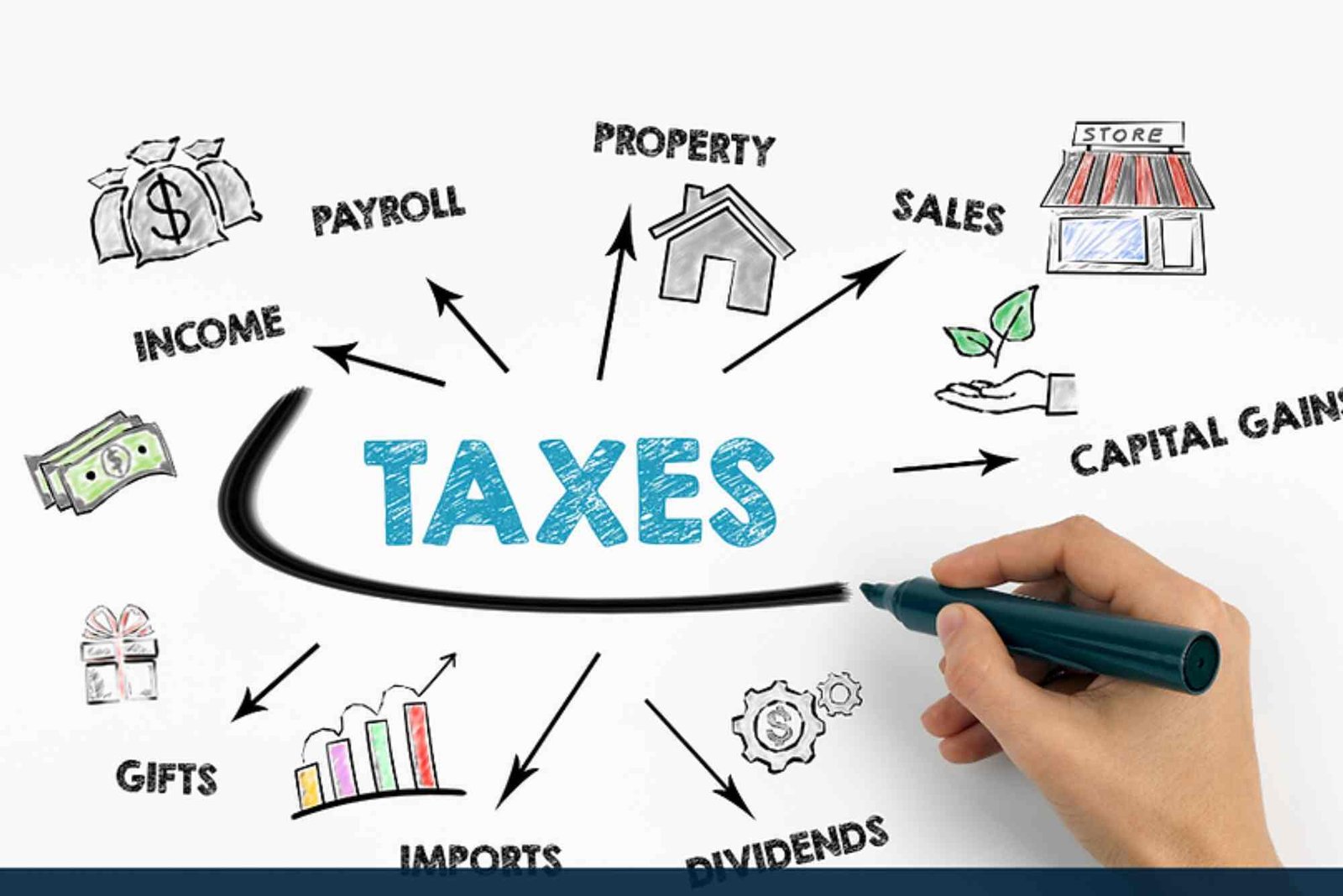
Income tax is not the only tax in Canada. There are other taxes that affect your overall financial situation. Sales tax includes GST and HST depending on the province. GST is usually around 5%, while HST can be higher.
There are also property taxes for homeowners. These vary by city and province. So when understanding what’s the tax rate in Canada, you must consider all types of taxes, not just income tax.
What’s the Tax Rate in Canada for New Immigrants
New immigrants often ask what’s the tax rate in Canada before moving. Once you become a tax resident, you are taxed on your worldwide income. However, you may also qualify for credits and benefits.
Canada also provides refunds in many cases if too much tax is deducted from salary. This makes the system more balanced for newcomers.
What’s the Tax Rate in Canada and Tax Deductions
The actual tax you pay is often lower due to deductions and credits.
Some common deductions include:
Retirement savings contributions
Medical expenses
Education credits
Child benefits
These help reduce your taxable income. So the effective tax rate is often lower than the official rate. This is why understanding what’s the tax rate in Canada requires looking at net income, not just gross income.
What’s the Tax Rate in Canada and Why It Varies
There is no single answer to what’s the tax rate in Canada because several factors affect it.
These include:
Income level
Province of residence
Type of income
Tax credits and deductions
Because of these factors, two individuals may have completely different tax rates even with similar salaries.
Conclusion
In summary, what’s the tax rate in Canada depends on many factors and cannot be explained with one fixed number. It includes federal tax, provincial tax, and additional consumption taxes. Most people pay between 20% and 50% depending on income level and location. However, deductions and credits can reduce this amount significantly. If you are planning to work or move to Canada, understanding the tax system is very important for financial planning.
What Is Smart Investment? refers to making financial decisions that maximize returns while minimizing risk through careful planning, research, and diversification. It focuses on long-term growth, stable assets, and informed strategies rather than emotional choices, helping investors build wealth efficiently and securely over time across different market conditions for better financial security and steady wealth creation .
FAQs
What is the average tax rate in Canada?
The average combined tax rate is usually between 25% and 35%, depending on income and province.
Is tax higher in Canada compared to other countries?
Canada has moderate to high taxes compared to some countries, but it also offers strong public services.
Do all Canadians pay the same tax rate?
No, tax rates vary based on income level and province.
How is tax calculated in Canada?
Tax is calculated using progressive brackets at both federal and provincial levels.
Can I reduce my tax in Canada legally?
Yes, through deductions like RRSP contributions, credits, and eligible expenses.
Related Reading: How to Tax Car UK — full guide
Related Reading: Can I Have Two Mortgages on One Property?