



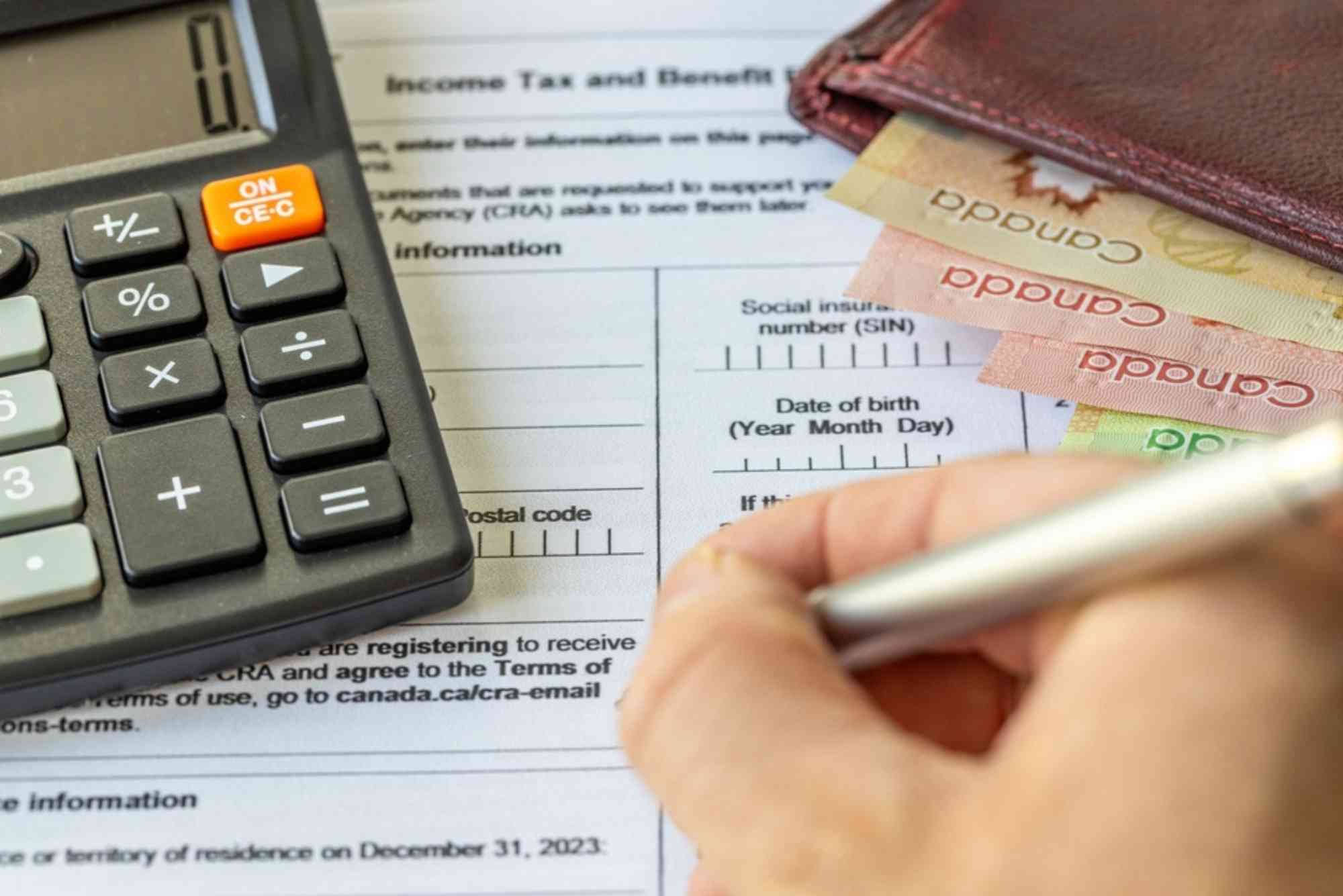
If you live, work, or plan to move to Canada, one of the first practical questions you will ask is: what’s the income tax in Canada? The short answer is that Canada uses a progressive tax system, meaning the more you earn, the higher the rate applied to your additional income. Tax is collected at both the federal and provincial levels, so your total bill depends on how much you earn and where in Canada you live.
Unlike some countries with a single flat rate, Canada divides income into brackets, each taxed at a different percentage. This structure is designed so that lower earners pay a smaller share of their income, while higher earners contribute more. Understanding how these brackets work is the key to knowing roughly what you will owe and how to plan your finances sensibly.
In this guide, we will break down the federal income tax structure, explain how provincial taxes add to it, show how the progressive system actually works with a clear example, and answer common questions newcomers and residents have. By the end, you will have a solid grasp of what income tax in Canada really means for your pay packet.
How the Canadian Income Tax System Works?
A Progressive Tax System Explained
Canada’s income tax is progressive, which is a concept many people misunderstand at first. A common myth is that earning more can push your entire income into a higher tax rate, leaving you worse off. This is simply not true. Only the portion of your income that falls within each bracket is taxed at that bracket’s rate.
This means your income is effectively sliced into layers. The first layer is taxed at the lowest rate, the next layer at a slightly higher rate, and so on. So even if part of your income reaches the highest bracket, the rest of your earnings are still taxed at the lower rates that apply to them. Your overall, or effective, tax rate is therefore lower than your top bracket suggests.
Understanding this is reassuring, because it confirms that a raise always leaves you with more money in your pocket, never less. The progressive design ensures fairness, asking those with greater means to contribute a larger share while protecting lower earners from a heavy burden. Learning how to calculate your marginal tax rate helps you see exactly how your next dollar of income is treated.


The system also rewards careful planning. Because different slices of income are taxed differently, decisions about deductions, contributions, and timing can meaningfully affect your bill. Grasping the basics of income tax in Canada early gives you the foundation to make smarter financial choices throughout the year.
Federal Income Tax Rates in Canada
The federal government sets income tax brackets that apply to everyone across the country, regardless of province. These brackets are updated periodically to account for inflation, so the income thresholds shift slightly over time, but the general structure of five rising rates remains consistent year after year.
The table below shows the federal tax brackets commonly used in Canada. Each bracket applies only to the portion of income that falls within it, in line with the progressive system explained above. This is the federal portion only; your province adds its own rates on top, which we cover in the next section.
| Taxable Income | Federal Tax Rate |
|---|---|
| First income bracket | 15% |
| Second income bracket | 20.5% |
| Third income bracket | 26% |
| Fourth income bracket | 29% |
| Highest income bracket | 33% |
As you can see, the federal rate climbs from 15% on the lowest band of income up to 33% on the highest. Remember that the dollar thresholds defining each bracket are adjusted regularly for inflation, so always check the latest figures from official sources before filing. The percentages, however, tend to stay stable over long periods.
It is also worth noting that Canada offers a basic personal amount, a portion of income on which you pay no federal tax at all. This further softens the burden on lower earners. Understanding what income tax is used for, from healthcare to infrastructure, helps put these rates into context as contributions to public services everyone relies on.
Provincial Taxes and Your Total Bill
How Provincial Tax Adds On
Federal tax is only half the story. Every province and territory in Canada levies its own income tax on top of the federal rates, and these vary considerably from one region to another. This is why two people earning identical salaries can pay quite different total amounts depending on whether they live in, say, Alberta or Quebec.
Like the federal system, provincial taxes are usually progressive, with their own brackets and rates. When you file your taxes, both the federal and provincial portions are calculated and combined into your total income tax owed. Your effective combined rate is therefore the sum of both layers applied to your income.
Because provincial rates differ, where you choose to live can have a real impact on your take-home pay. Some provinces have higher rates but offer different credits or services, so the comparison is rarely as simple as picking the lowest rate. Many newcomers researching what the income tax in Canada is are surprised by how much the provincial element matters.
For anyone budgeting carefully, it is essential to factor in both layers. Looking only at the federal rate gives an incomplete and overly optimistic picture of your tax bill. Combining federal and provincial figures gives you a realistic estimate of what will actually be deducted from your earnings each year.
Calculating What You Actually Pay
To understand your real tax burden, you need to think in terms of your effective rate rather than your top bracket. Imagine your income is divided into slices, with each slice taxed at its corresponding federal and provincial rates. Adding these together gives the total tax, which, divided by your income, reveals your true effective rate.
Most people find their effective rate is noticeably lower than the headline rate of their highest bracket. This is the progressive system working as intended. A useful habit is to estimate your tax before the year ends so there are no surprises, and so you can take advantage of any deductions or credits available to you.
Tax calculators and official tools make this easier, but understanding the underlying maths gives you confidence. Knowing how to work out your federal tax step by step demystifies the process and helps you check that your deductions look correct on your payslip and tax return.
Many residents also want to know how much they might receive back. If too much tax was withheld through the year, you may be due a refund. Exploring how much tax you might get back helps you understand why refunds happen and how to plan around them rather than treating them as unexpected windfalls.
Filing, Refunds and Smart Tax Planning
Who Has to File and When
Most residents of Canada who earn income are required to file an annual tax return, even if tax has already been deducted from their pay. Filing ensures your tax is calculated correctly, that you claim any credits you are entitled to, and that you receive any refund you are owed. Missing the deadline can lead to penalties and interest.
The tax year in Canada follows the calendar year, and returns are typically due in the spring of the following year. Self-employed individuals often have a slightly different deadline. Staying organised with your income documents and receipts throughout the year makes filing far less stressful when the time comes.
Newcomers sometimes assume they do not need to file in their first year, but this is often a mistake. Filing can unlock benefits and credits, and it establishes your record with the tax authority. Understanding the broader idea of what filing taxes means helps you approach the process with clarity rather than anxiety.
If you have lived or earned income abroad, your situation may be more complex. Residency status determines how your worldwide income is treated. Those with international ties should look carefully at the rules, as questions like whether Canada taxes worldwide income can significantly affect what you owe and what you must report.
Reducing Your Tax Legally
There are many legitimate ways to reduce your income tax in Canada, and using them is simply smart financial management. Contributing to registered savings accounts, claiming eligible deductions, and timing certain income or expenses can all lower your taxable income and therefore your bill.
Deductions reduce the income on which you are taxed, while credits reduce the tax itself. Knowing the difference, and which ones apply to you, can make a real difference to your refund or amount owing. Common areas include retirement contributions, childcare costs, and certain work-related expenses, depending on your circumstances.
Planning ahead is far more effective than scrambling at filing time. By understanding your bracket and effective rate during the year, you can make decisions that legally minimise your tax. Learning how to save income tax through available allowances ensures you keep more of what you earn without crossing any lines.
Finally, consider whether professional help is worthwhile. For straightforward situations, filing yourself with reliable software is usually fine. For more complex affairs, such as self-employment, investments, or foreign income, professional advice can pay for itself. Either way, a basic understanding of the system, including how to check your tax return status online, keeps you in control of your finances.
Frequently Asked Questions
Does earning more push my whole income into a higher tax rate?
No, and this is one of the most common misunderstandings about the Canadian tax system. Only the portion of your income that falls within a higher bracket is taxed at that higher rate. The rest of your income continues to be taxed at the lower rates that apply to it, so earning more always leaves you with more after tax.
This is the essence of a progressive system. Your effective tax rate, the actual percentage of your total income paid in tax, is always lower than your top marginal rate. Understanding how to calculate your marginal tax rate makes this much clearer and removes the fear that a raise could leave you worse off.
How much income is tax-free in Canada?
Canada provides a basic personal amount, which is a portion of income on which you pay no federal income tax. This threshold is adjusted over time and means low earners may owe little or no federal tax at all. Most provinces offer a similar basic amount for provincial tax, further reducing the burden on lower incomes.
The exact figures change periodically, so always confirm the current amount before filing. Knowing that a baseline of income is protected from tax helps newcomers and low earners plan with confidence, and it is a key reason why effective tax rates in Canada are often gentler than the headline brackets suggest.
Do I have to file taxes if tax was already deducted from my pay?
In most cases, yes. Even when tax is withheld from your salary throughout the year, filing an annual return ensures the amount was correct and lets you claim credits or a refund. Many people receive money back precisely because too much was deducted, and you can only access that refund by filing.
Filing also keeps your record current with the tax authority and may be required to receive certain benefits. Understanding what filing taxes means and doing it on time protects you from penalties and ensures you never leave money you are owed sitting unclaimed.
Final Thoughts
So, what’s the income tax in Canada? It is a progressive system combining federal and provincial rates, where income is taxed in layered brackets rather than at one flat rate. The federal rates rise from 15% on the lowest band to 33% on the highest, with your province adding its own tax on top, and a basic personal amount keeping the first slice of income tax-free.
The most important takeaway is that earning more never reduces your take-home pay, because only the income within each bracket is taxed at that bracket’s rate. Your effective rate is almost always lower than your top bracket, and smart, legal planning can reduce it further through deductions and credits.
Whether you are a long-term resident or a newcomer settling in, understanding how income tax works puts you in control. Keep your records organised, check the latest brackets and thresholds before filing, and take advantage of the allowances available to you. With a clear grasp of the system, Canadian income tax becomes far less daunting and much easier to manage.