



Introduction
Does the US President Pay Taxes? This is a question many people ask when discussing government transparency and public accountability. The idea of a world leader managing national policies while also dealing with personal tax obligations naturally raises curiosity. In the United States, even the highest office in the country is not exempt from tax laws.
The topic “Does the US President Pay Taxes?” is important because it helps citizens understand how equality under the law works. While the president holds significant authority, tax obligations are still governed by federal law. However, the way taxes are handled for a president is slightly more complex than for an average citizen due to income structure, security rules, and ethical considerations.
In this article, we will explore in detail whether the US President pays taxes, how those taxes are calculated, what income is taxable, and why this topic continues to attract public interest. We will also answer common questions people search for regarding presidential taxation.
Does the US President Pay Taxes in the United States?
Does the US President Pay Taxes? The simple answer is yes. The President of the United States is required to pay federal income taxes just like any other citizen. The US tax system applies to all individuals who earn taxable income, including government officials.
However, the president’s tax situation is not identical to an average worker. The president receives a fixed annual salary, which is fully taxable under federal law. This salary is set by Congress and is subject to the same tax brackets and deductions as other forms of earned income.
When people ask, “Does the US President Pay Taxes?”, they are often surprised to learn that no special exemption exists for the presidency. The Internal Revenue Service (IRS) treats the president like any other taxpayer in terms of obligations.


Still, while the answer to Does the US President Pay Taxes is yes, the process involves additional layers such as disclosure rules, financial reporting, and public scrutiny.
Presidential Salary and Taxable Income
To fully understand Does the US President Pay Taxes, we must look at the sources of income.
Presidential Salary
The president earns a fixed annual salary set by law. This salary is fully taxable. It is reported as ordinary income on federal tax returns.
Additional Allowances
Apart from salary, the president may receive allowances for official duties. Some of these allowances are not considered personal income, while others may have tax implications depending on their use.
External Income Sources
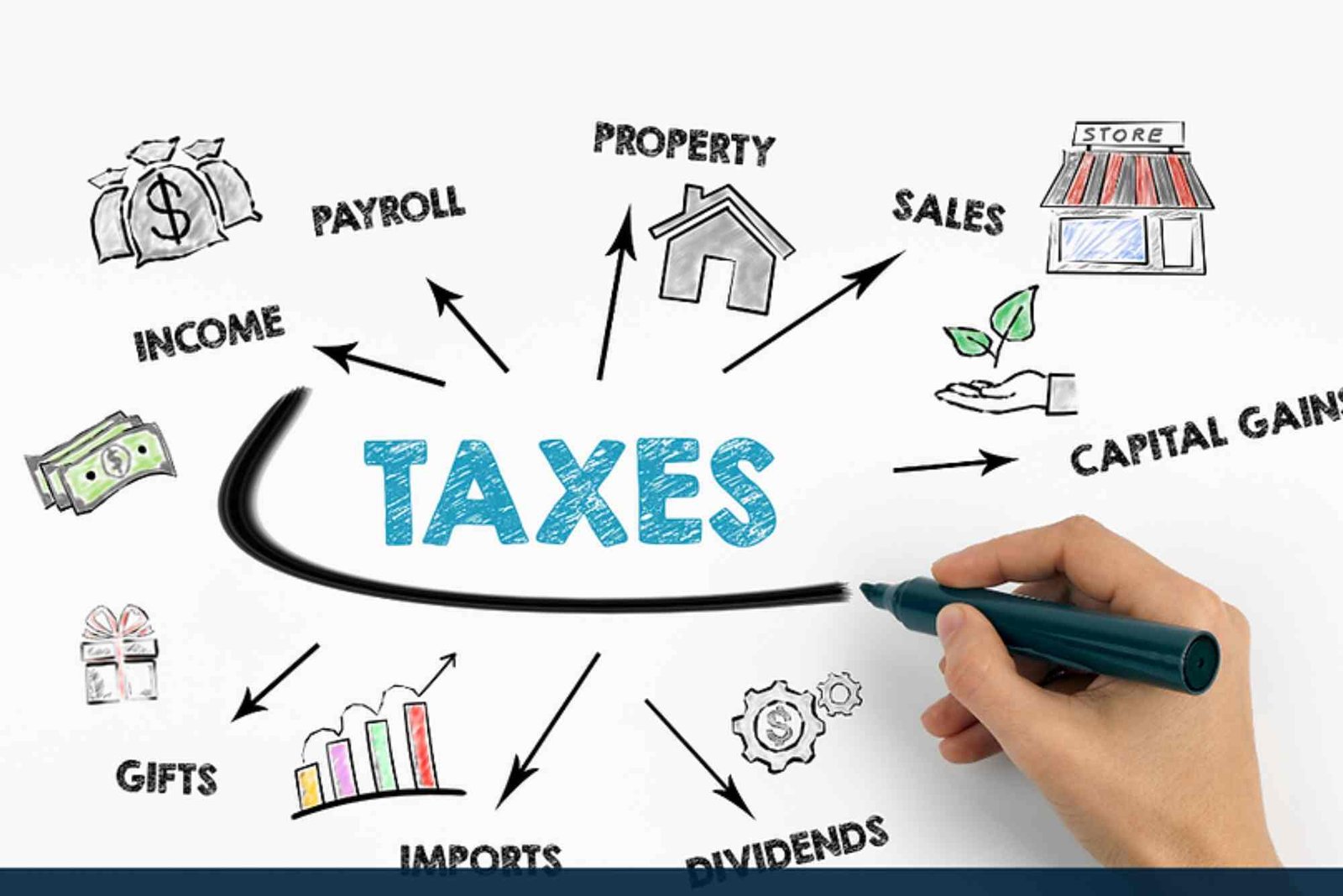
In modern times, many presidents may have income from investments, book deals, or previous business interests. These income sources are also subject to taxation.
So, when analyzing Does the US President Pay Taxes, it is clear that all personal income streams fall under standard tax laws.
How Presidential Taxes Are Filed
Another important aspect of Does the US President Pay Taxes is how tax filing actually works during the presidency.
The president is required to file annual tax returns with the IRS. These returns include income, deductions, credits, and tax liabilities. However, the process is often handled with additional security measures due to the sensitive nature of the president’s identity and financial information.
Tax filings are typically reviewed with extreme care, and in most cases, financial advisors and legal teams assist in preparing accurate returns. Even though the president is the head of the executive branch, tax filing rules still apply under federal law.
Therefore, Does the US President Pay Taxes is not just a theoretical question; it is a practical legal obligation that continues every year in office.
Tax Transparency and Public Expectations
The question Does the US President Pay Taxes is not only legal but also political. Tax transparency has become a major topic in modern elections.
Public Disclosure
Many presidents voluntarily release their tax returns to demonstrate transparency. This helps the public understand their financial situation and ensures trust in leadership.
Ethical Standards
While not legally required in every case, tax disclosure is often expected by voters. It helps answer concerns related to conflicts of interest or financial influence.
Media Scrutiny
Journalists and watchdog organizations frequently analyze presidential taxes. This makes the question Does the US President Pay Taxes a recurring topic in political discussions.
Transparency around taxes strengthens public trust and reinforces accountability in leadership.
Are There Any Tax Exemptions for the US President?
A key part of understanding Does the US President Pay Taxes is knowing whether exemptions exist.
Legally, there are no special tax exemptions granted simply because someone is president. The president must comply with the same Internal Revenue Code that applies to all citizens.
However, certain reimbursements or official expense allowances may not be taxable. These are not personal income but government-related expenditures.
So while Does the US President Pay Taxes has a clear yes answer, the structure of taxable and non-taxable income can vary depending on the nature of payments.
Historical Perspective on Presidential Taxes
Looking at history helps clarify Does the US President Pay Taxes in context.
Earlier presidents also paid taxes on their income, although financial disclosure standards were less strict in the past. Over time, tax laws have evolved, and public expectations for transparency have increased.
In modern politics, tax returns have become a major part of public accountability. This evolution shows that the question Does the US President Pay Taxes is not new, but its importance has grown significantly in recent decades.
Why the Question “Does the US President Pay Taxes?” Matters
The reason people frequently ask Does the US President Pay Taxes is rooted in trust and fairness. Citizens want assurance that leaders follow the same rules they do.
Equality Before the Law
Tax obligations for the president reinforce the principle that no one is above the law.
Political Accountability
Tax records can reveal financial ties that may influence policy decisions.
Public Confidence
When people understand Does the US President Pay Taxes, it strengthens confidence in democratic institutions.
This topic continues to be relevant because taxes are closely tied to governance and responsibility.
Common Misconceptions About Presidential Taxes
There are several misunderstandings surrounding Does the US President Pay Taxes.
Some people believe the president does not pay taxes due to their position. This is incorrect. Others assume the president is completely tax-exempt, which is also false.
Another misconception is that all presidential income is tax-free. In reality, only certain reimbursements are exempt, not personal income.
Clarifying these misconceptions is important for a proper understanding of Does the US President Pay Taxes.
How Presidential Taxes Compare to Ordinary Citizens
To better understand Does the US President Pay Taxes, it helps to compare it with regular taxpayers.
Both the president and citizens file tax returns, report income, and pay based on tax brackets. The difference lies mainly in complexity and scrutiny.
The president’s financial situation is often more public and may involve multiple income streams. However, the tax rules themselves remain consistent.
Conclusion
So, does the US President Pay Taxes? The answer is yes. The president is legally required to pay taxes on salary and personal income, just like any other citizen. While the process may involve additional scrutiny and security, the core tax obligations remain the same.
Understanding Does the US President Pay Taxes helps clarify how equality under law works in the United States. It also highlights the importance of transparency and accountability in leadership.
Understanding financial statements is essential for business owners and investors. Many people ask, Does Net Profit Include Tax. Net profit is generally calculated after all expenses, including taxes, interest, and operating costs, are deducted from total revenue. This means taxes are included in the final net profit figure, showing the actual earnings of a company after obligations are paid. It helps readers understand real profitability after government taxation for clear analysis.
Frequently Asked Questions
Does the US President Pay Taxes on Salary?
Yes, the president pays taxes on their official salary just like any other federal employee. The salary is fully taxable under US law.
Does the US President Pay Taxes on All Income?
Yes, the president pays taxes on all personal income sources, including investments and outside earnings, unless specifically exempted by law.
Is the US President Required to File Tax Returns?
Yes, the president is required to file annual tax returns with the IRS. These filings are part of standard legal obligations.
Can the Public See the President’s Taxes?
In many cases, presidents voluntarily release their tax returns. However, this is not always a legal requirement.
Why Do People Ask “Does the US President Pay Taxes?”
People ask this because they want to understand fairness, transparency, and accountability in leadership.