




Introduction
Missing teeth can affect more than just your appearance. They can make eating difficult, impact speech, and even lead to long-term oral health problems. For many people, a dental bridge is a practical solution to restore their smile and improve functionality. However, one of the most common questions patients ask is: How much does a dental bridge cost without insurance?
The answer depends on several factors, including the type of bridge, materials used, the number of teeth being replaced, and your location. Understanding these costs can help you plan your budget and make an informed decision about your dental care.
Understanding Dental Bridges
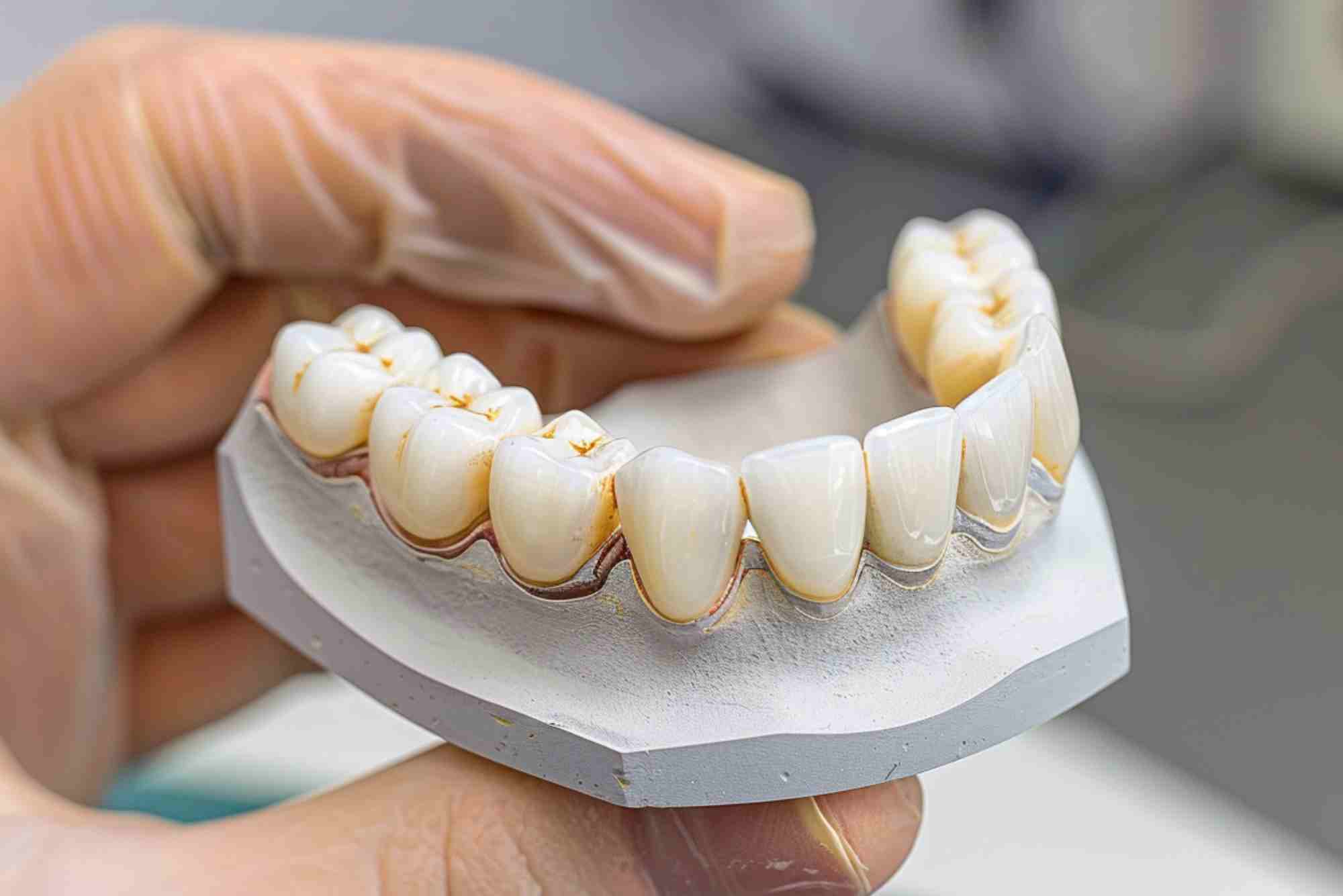
A dental bridge is a restorative dental treatment designed to replace one or more missing teeth. It literally “bridges” the gap created by missing teeth using artificial teeth anchored by surrounding natural teeth or dental implants.
Dental bridges are a popular option because they provide a natural appearance, restore chewing ability, and help maintain the alignment of surrounding teeth. Many patients choose this treatment because it is often more affordable than dental implants while still delivering excellent results.
How Much Does a Dental Bridge Cost Without Insurance?
When asking how much does a dental bridge cost without insurance, the average cost typically ranges between $1,500 and $5,000 or more.
The final price depends on the complexity of the procedure and the materials chosen. A simple bridge replacing one tooth may cost less, while a larger bridge involving multiple teeth or implants can significantly increase expenses.


Traditional bridges generally cost between $2,000 and $5,000 for a single pontic and two crowns. Cantilever bridges may fall within a similar range, while Maryland bridges are often slightly less expensive. Implant-supported bridges tend to be the most costly option, often exceeding $5,000.
Factors That Affect Dental Bridge Costs
Type of Dental Bridge
The type of bridge selected plays a major role in determining the overall cost.
Traditional bridges are the most commonly used and often provide the best balance between durability and affordability. Maryland bridges use a metal or porcelain framework attached to adjacent teeth, making them less invasive but not always suitable for every case.
Cantilever bridges are used when only one supporting tooth is available. Implant-supported bridges require surgical placement of implants, increasing both the complexity and cost of treatment.
Number of Missing Teeth
The more teeth that need replacement, the higher the total treatment cost. Additional artificial teeth, crowns, and laboratory work contribute to increased expenses.
A bridge replacing a single tooth will typically cost less than one designed to replace several consecutive missing teeth.
Material Used
Dental bridges can be made from various materials, including porcelain, ceramic, metal alloys, zirconia, or combinations of these materials.
Porcelain and ceramic bridges are popular because they closely resemble natural teeth. Zirconia bridges offer exceptional durability and aesthetics but often come at a higher price point.
Metal-based bridges may be more affordable but are generally less desirable for visible front teeth.
Geographic Location
Dental treatment costs vary significantly depending on where you live. Urban areas with higher operating expenses often have higher dental fees compared to smaller towns or rural communities.
Dentists in major metropolitan areas may charge considerably more for the same procedure than practitioners in less populated regions.
Dentist’s Experience
Highly experienced dentists and specialists may charge higher fees due to their expertise and advanced training. While this can increase the upfront cost, many patients view it as an investment in quality care and long-term results.
Additional Costs to Consider
When calculating how much does a dental bridge cost without insurance, it’s important to account for expenses beyond the bridge itself.
Initial consultations may range from $50 to $300. Dental X-rays can cost between $25 and $250 depending on the imaging required. Tooth extractions, root canals, or periodontal treatments may also be necessary before bridge placement.
Temporary restorations, laboratory fees, and follow-up visits can add to the overall treatment expense. In some cases, patients are surprised to discover that preparation procedures contribute significantly to the final bill.
Comparing Dental Bridges to Other Tooth Replacement Options
Dental bridges are not the only solution for missing teeth. Understanding alternative treatments can help determine whether a bridge offers the best value.
Dental implants are often considered the gold standard for tooth replacement. While implants can cost between $3,000 and $6,000 per tooth, they typically last longer and do not require support from neighboring teeth.
Partial dentures are generally the least expensive option, ranging from a few hundred to a few thousand dollars. However, they may not provide the same comfort, stability, or natural appearance as a bridge.
For many patients seeking a balance between cost and functionality, dental bridges remain a highly attractive option.
Are Dental Bridges Worth the Cost?
Many patients wonder whether spending thousands of dollars on a dental bridge is worthwhile. In most cases, the answer is yes.
Replacing missing teeth helps prevent shifting of surrounding teeth, maintains facial structure, improves chewing efficiency, and enhances confidence. Delaying treatment can lead to additional dental problems that may ultimately cost more to address.
A properly maintained dental bridge can last 10 to 15 years or even longer, making it a valuable long-term investment in oral health.
Ways to Save Money on a Dental Bridge Without Insurance
Paying for dental care without insurance can be challenging, but several strategies may help reduce costs.
Many dental offices offer payment plans that allow patients to spread treatment expenses over several months. Dental schools often provide reduced-cost treatment performed by supervised students.
Some patients travel to nearby cities or regions where dental costs are lower. Membership discount plans offered by dental practices can also provide significant savings.
Comparing treatment estimates from multiple providers may help identify more affordable options without compromising quality.
What Happens If You Don’t Replace Missing Teeth?
Ignoring missing teeth can create a variety of oral health complications over time.
Adjacent teeth may begin shifting into the empty space, leading to alignment issues. Bone loss can occur in the jaw, potentially affecting facial appearance. Chewing difficulties may limit food choices and impact nutrition.
Speech problems and reduced self-confidence are also common concerns. Replacing missing teeth with a dental bridge can help prevent many of these issues and preserve long-term oral health.
How Long Does a Dental Bridge Last?
The lifespan of a dental bridge depends on oral hygiene, lifestyle habits, and the quality of the restoration.
Most bridges last between 10 and 15 years, although some can remain functional for over two decades with proper care. Regular dental checkups, daily brushing, flossing, and avoiding habits such as chewing ice can help maximize longevity.
Investing in routine maintenance is often far less expensive than replacing a damaged bridge prematurely.
Choosing the Right Dental Bridge
Selecting the right bridge requires careful evaluation by a dental professional. Every patient’s situation is unique, and factors such as oral health, budget, aesthetics, and long-term goals should be considered.
A thorough consultation can help determine the most suitable option while providing a clearer understanding of treatment costs and expected outcomes.
If you’re wondering how much does a dental bridge cost without insurance, the typical price ranges from $1,500 to $5,000 or more depending on the type of bridge, materials used, and complexity of treatment. While the cost may seem significant, a dental bridge can restore function, improve appearance, and protect your long-term oral health.
Will Life Insurance Cover Cancer in the UAE? Life insurance coverage for cancer in the UAE depends on the policy terms and the insured person’s medical history. Some life insurance plans may provide benefits if cancer is diagnosed after the policy begins, while pre-existing conditions may be excluded. Reviewing policy details carefully helps individuals understand coverage limits, claim requirements, and available financial protection for serious illnesses.
FAQs
How much does a dental bridge cost without insurance for one tooth?
A dental bridge replacing one tooth typically costs between $1,500 and $3,500 without insurance, depending on the materials and location.
Is a dental bridge cheaper than an implant?
Yes. In most cases, a dental bridge costs less upfront than a dental implant. However, implants may last longer and require less maintenance over time.
Can I get a dental bridge with no insurance?
Absolutely. Many patients pay for dental bridges out of pocket. Dentists often offer financing plans and payment options to make treatment more affordable.
How long does a dental bridge last?
Most dental bridges last between 10 and 15 years, though proper care can extend their lifespan considerably.
What is the least expensive type of dental bridge?
Maryland bridges are often among the least expensive options because they require less preparation of adjacent teeth.
Does Medicare cover dental bridges?
Traditional Medicare generally does not cover routine dental procedures, including dental bridges. Some Medicare Advantage plans may provide limited dental benefits.
Can a dental bridge replace multiple teeth?
Yes. Dental bridges can replace one tooth or several missing teeth in a row, depending on the treatment plan and supporting structures available.
Are dental bridges permanent?
Dental bridges are considered fixed restorations and are not removable by the patient. However, they may eventually need replacement after many years of use.