



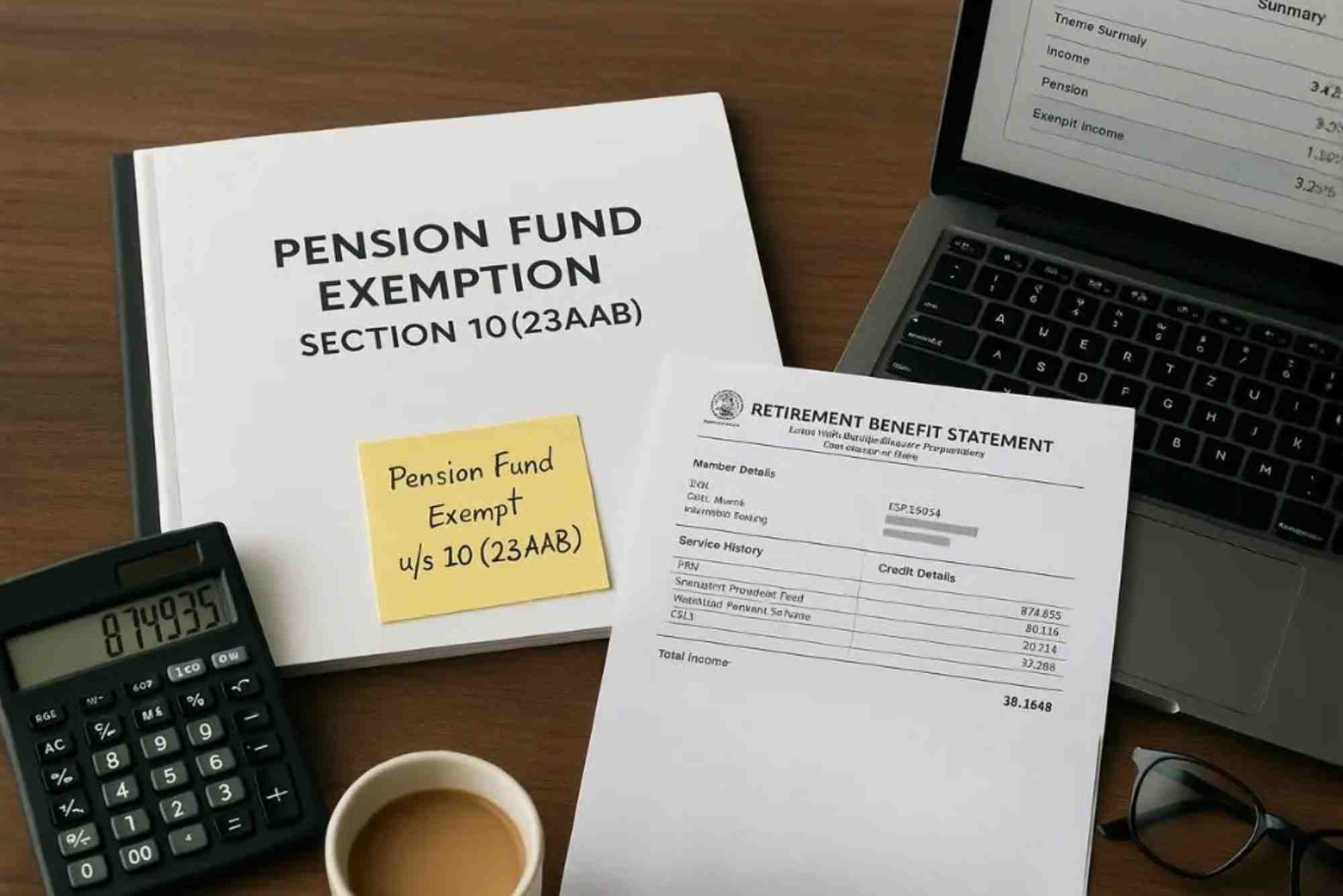
Retirement brings financial freedom for many people, but it also raises an important question: Do you pay income tax on pension payments? The answer depends on several factors, including the type of pension, where you live, your age, and how the pension contributions were made. Understanding pension taxation is essential because it helps retirees avoid surprises during tax season and plan their income more effectively.
Many retirees assume pension income is tax-free because they contributed to the plan during their working years. However, pension payments are often considered taxable income by federal and state tax authorities. While some portions may be exempt, most pension distributions are at least partially taxed. Therefore, knowing how pension taxes work can help you manage your retirement finances with confidence.
In this detailed guide, you will learn how pension payments are taxed, which pensions are taxable, how to reduce your tax burden, and what retirees should consider before withdrawing retirement funds. This article also answers common questions people search online about pension taxes.
Understanding Pension Payments and Taxes
Pension payments are retirement benefits paid regularly to retired workers. Employers or government agencies usually provide these benefits after employees reach retirement age. Since pensions replace employment income, tax authorities often treat them similarly to wages.
The question “Do you pay income tax on pension payments?” becomes important because pension income can affect your overall tax bracket. In many cases, pension payments are fully taxable at the federal level. Nevertheless, certain exceptions and deductions may reduce the amount owed.
Retirees receiving pension payments should understand how taxation applies to their unique situation. Different pension structures have different tax rules. Therefore, one retiree may pay substantial taxes while another pays very little.


Why Pension Payments Are Usually Taxable
Governments generally tax pension income because contributions to pension plans are often made before taxes are deducted from a paycheck. Since workers received a tax benefit earlier, taxes are collected when retirement payments begin.
For example, traditional employer-sponsored pensions usually grow tax-deferred. The employee does not pay taxes on contributions or earnings during working years. Instead, taxes are delayed until retirement distributions occur.
As a result, pension payments are often included in taxable income. This deferred taxation system encourages retirement savings while ensuring governments eventually collect revenue.
Types of Pension Plans and Their Tax Treatment
Traditional Defined Benefit Pension Plans
A defined benefit pension guarantees retirees a fixed monthly payment based on salary and years of service. These pensions are common among government employees, teachers, and union workers.
Most payments from traditional pensions are taxable because the contributions were made with pre-tax income. Retirees must report the pension income on annual tax returns.
However, if an employee contributed after-tax money to the pension plan, a portion of the pension may be tax-free. The non-taxable amount usually reflects the employee’s previously taxed contributions.
Defined Contribution Plans
Defined contribution plans include retirement accounts such as 401(k) plans. Although technically different from pensions, many retirees receive periodic payments from these accounts.
Withdrawals from traditional defined contribution plans are generally taxable as ordinary income. On the other hand, qualified withdrawals from Roth accounts may be tax-free because taxes were already paid before contributions were made.
Government and Public Sector Pensions
Federal, military, and state government pensions often follow special tax rules. Federal taxes usually apply, but state taxation varies significantly.
Some states exempt public pensions completely. Others tax them partially or fully. Therefore, retirees should review both federal and state laws when evaluating pension taxation.
Do You Pay Income Tax on Pension Payments From Social Security?
Many retirees confuse pensions with Social Security benefits. While both provide retirement income, they follow different tax rules.
Social Security benefits may be partially taxable depending on combined income. Pension income can increase total income, causing a larger portion of Social Security benefits to become taxable.
For example, retirees with high pension income may pay taxes on up to 85% of Social Security benefits. Consequently, understanding the relationship between pensions and Social Security is extremely important for retirement planning.
Federal Tax Rules for Pension Payments
The Internal Revenue Service treats pension income as ordinary taxable income in most situations. Pension providers typically send retirees a Form 1099-R showing total distributions and withheld taxes.
Federal tax rates depend on total annual income. Pension payments may push retirees into higher tax brackets if they also receive Social Security, investment income, or part-time employment income.
Retirees can choose voluntary tax withholding from monthly pension checks. This approach prevents large tax bills at the end of the year.
State Taxes on Pension Income
State tax rules vary widely across the United States. Some states fully exempt pension income, while others tax it similarly to wages.
Several states do not impose state income taxes at all. Meanwhile, other states provide partial exemptions based on age or income levels.
Understanding state pension taxation is important for retirees considering relocation. A retiree moving to a tax-friendly state may significantly reduce overall retirement taxes.
States That Commonly Exempt Pension Income
Some states offer favorable tax treatment for retirees. These states may exclude public pensions, military pensions, or all retirement income from taxation.
Retirees often choose retirement destinations partly because of pension tax advantages. Lower taxes can increase disposable retirement income and improve financial security.
Although federal taxes may still apply, avoiding state taxes can create substantial savings over time.
How Lump-Sum Pension Payments Are Taxed
Some retirees choose a lump-sum pension payout instead of monthly payments. While this option provides immediate access to funds, it may create major tax consequences.
A large lump-sum payment can push retirees into higher tax brackets for that year. Consequently, taxes owed may increase significantly.
Rolling the lump sum into an Individual Retirement Account often allows retirees to defer taxes. This strategy helps preserve retirement savings while avoiding immediate taxation.
Taxation of Early Pension Withdrawals
Retiring early or withdrawing pension funds before the eligible age may trigger additional penalties. Many retirement plans impose a 10% early withdrawal penalty if distributions occur before age 59½.
Besides the penalty, ordinary income taxes still apply. Therefore, early withdrawals can become expensive.
However, certain exceptions may waive penalties in cases such as disability, substantially equal periodic payments, or qualified public safety retirements.
How After-Tax Contributions Affect Pension Taxes
Some employees contribute after-tax money to pension plans. Since taxes were already paid on these contributions, retirees should not be taxed again on the same amount.
The IRS uses formulas to determine the tax-free portion of pension payments. Part of each payment may be excluded from taxable income until the employee’s contributions are fully recovered.
This rule prevents double taxation and provides financial relief for retirees who made after-tax contributions.
Comparing Taxable and Non-Taxable Pension Income
| Type of Pension Income | Taxable Status |
|---|---|
| Traditional employer pension | Usually fully taxable |
| Roth retirement withdrawals | Often tax-free |
| Military disability pension | May be partially or fully tax-free |
| After-tax employee contributions | Partially non-taxable |
| Early pension withdrawals | Taxable plus possible penalties |
| Lump-sum pension distribution | Usually taxable unless rolled over |
Strategies to Reduce Taxes on Pension Payments
Manage Retirement Withdrawals Carefully
Retirees can reduce taxes by controlling how much money they withdraw annually. Lower withdrawals may help keep taxable income within a lower tax bracket.
This strategy becomes especially important when retirees have multiple income sources.
Use Roth Accounts Strategically
Roth retirement accounts provide tax-free qualified withdrawals. Combining Roth income with taxable pension income can improve tax efficiency during retirement.
Many retirees gradually convert traditional retirement accounts into Roth accounts before retirement to reduce future taxes.
Consider Relocating to a Tax-Friendly State
State taxes can dramatically affect retirement income. Moving to a state with lower pension taxes may help retirees preserve more money.
However, retirees should also evaluate healthcare costs, housing expenses, and lifestyle factors before relocating.
How Pension Taxes Affect Retirement Planning
Tax planning plays a major role in successful retirement preparation. Retirees who ignore taxes may underestimate future expenses and withdraw money too quickly.
Understanding pension taxation allows retirees to create realistic budgets and maintain long-term financial stability.
Financial advisors often recommend projecting retirement taxes several years in advance. This proactive approach helps retirees minimize unnecessary tax burdens.
Common Mistakes Retirees Make With Pension Taxes
Many retirees assume pension providers automatically withhold the correct amount of taxes. Unfortunately, withholding may not fully cover annual tax obligations.
Another common mistake involves taking large lump-sum distributions without understanding tax consequences. This decision can increase tax bills dramatically.
Some retirees also overlook state tax laws when relocating. Researching retirement tax policies beforehand can prevent costly surprises.
Do You Pay Income Tax on Pension Payments if You Live Abroad?
Retirees living overseas may still owe taxes on pension income. United States citizens generally remain subject to federal taxation regardless of residence.
However, tax treaties between countries may affect how pensions are taxed internationally. Some treaties prevent double taxation, while others allocate taxing rights differently.
Retirees considering international living should consult a tax professional familiar with expatriate retirement taxation.
The Importance of Professional Tax Advice
Pension taxation rules can become complicated, especially when retirees receive income from multiple sources. Tax professionals can help retirees understand deductions, exemptions, and reporting requirements.
Professional guidance is particularly useful for retirees with large pensions, international income, or complex retirement portfolios.
Although hiring a tax expert involves a cost, accurate planning may save significant money over time.
How Inflation and Cost-of-Living Adjustments Affect Pension Taxes
Many pension plans include cost-of-living adjustments that increase payments over time. While these increases help retirees maintain purchasing power, they may also increase taxable income.
Higher pension payments can push retirees into higher tax brackets. Therefore, retirees should regularly review their tax strategies as retirement income changes.
Inflation also affects deductions, exemptions, and federal tax brackets. Staying informed about annual tax updates remains important throughout retirement.
Planning for Future Pension Tax Changes
Tax laws evolve frequently. Governments may adjust retirement taxation policies to address economic conditions and budget needs.
Retirees should stay informed about legislative updates that could impact pension taxes. Long-term retirement planning works best when individuals remain flexible and prepared for policy changes.
Reviewing retirement income annually helps retirees adapt to changing tax environments.
Frequently Asked Questions About Pension Taxes
Are pension payments considered earned income?
No, pension payments are generally classified as unearned income. However, they are usually taxable as ordinary income for federal tax purposes.
Can pension income affect Social Security taxes?
Yes, pension income can increase combined income levels. This may cause a larger percentage of Social Security benefits to become taxable.
Do all states tax pension income?
No, some states fully exempt pension income, while others partially tax it or impose no state income tax at all.
Is military pension income taxable?
Military retirement pay is generally taxable at the federal level. However, some states exempt military pensions from state taxation.
Can you avoid taxes on a lump-sum pension payout?
Taxes may be deferred by rolling the lump-sum distribution into a qualified retirement account such as an IRA.
Are Roth pension withdrawals taxable?
Qualified Roth withdrawals are usually tax-free because contributions were made with after-tax income.
So, do you pay income tax on pension payments? In most cases, yes. Pension income is commonly taxed at the federal level and sometimes at the state level as well. However, the exact amount depends on factors such as pension type, state laws, after-tax contributions, and overall retirement income.
Understanding how pension taxation works can help retirees protect their savings and make informed financial decisions. Proper planning also reduces the risk of unexpected tax bills during retirement.
Are REIT ETFs a Good Investment? REIT ETFs offer investors exposure to real estate markets without directly owning property. They provide diversification, regular dividend income, and potential inflation protection. However, they are sensitive to interest rate changes and market volatility. For long-term investors, they can be a stable income-generating option when used well in a balanced portfolio