

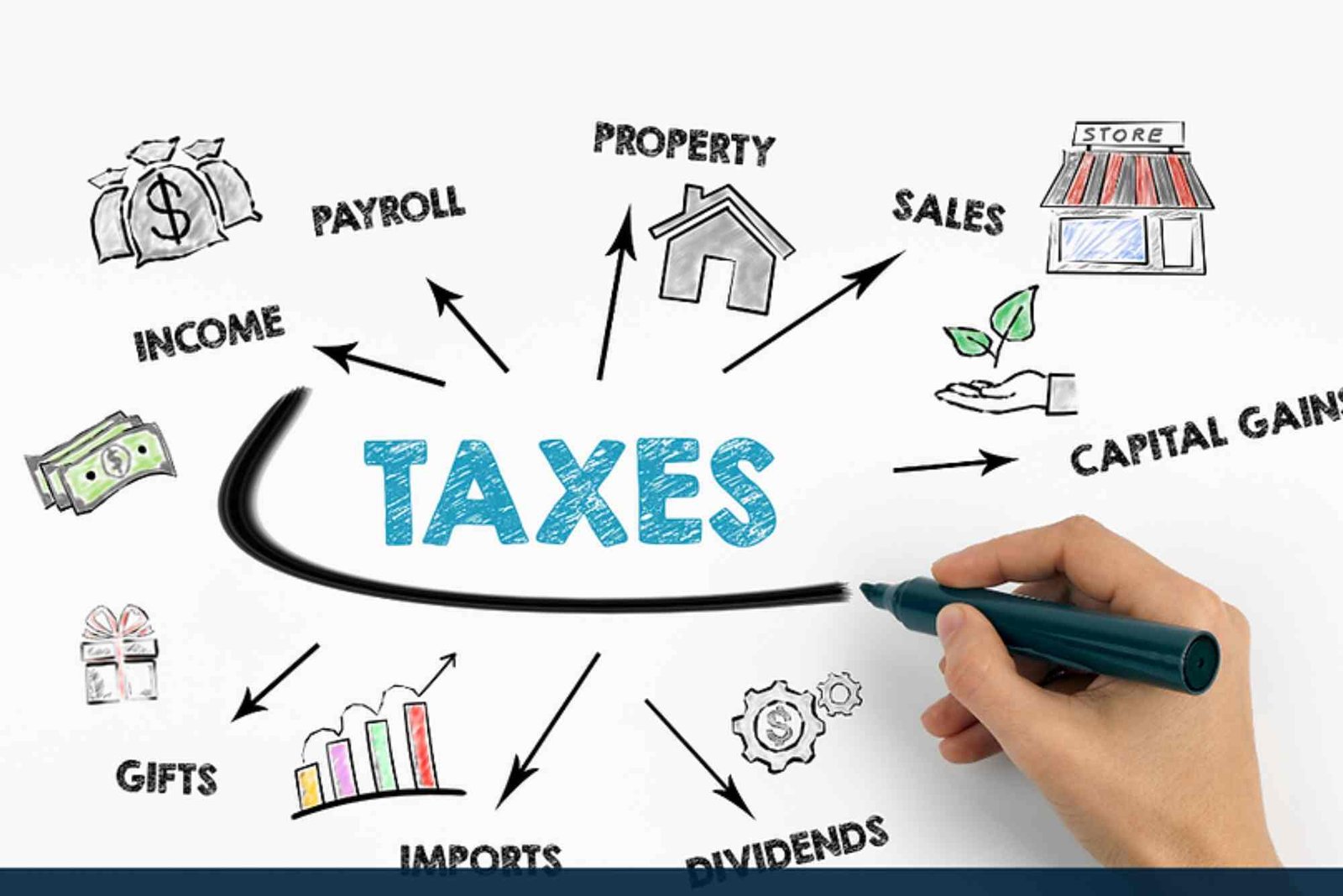



Understanding Do OFWs Pay Taxes? is one of the most important financial concerns for millions of overseas Filipino workers who support families back home. The question is often misunderstood, leading to confusion about whether income earned abroad is taxable in the Philippines or not. In reality, the answer depends on residency status, source of income, and tax laws both in the Philippines and the host country.
In this comprehensive guide, we will clearly explain Do OFWs Pay Taxes?, how taxation rules apply, what exemptions exist, and what OFWs should know to stay compliant and financially safe. This article is designed to give clarity using simple explanations, real-world examples, and structured insights based on Philippine tax principles.
The keyword Do OFWs Pay Taxes? will be explained in detail throughout this guide so you can fully understand your rights and responsibilities as an overseas worker.
Understanding the Basics of OFW Taxation
To answer Do OFWs Pay Taxes?, we must first understand how taxation works for Filipino citizens working abroad. The Philippines follows a territorial taxation system for most overseas income, meaning income earned outside the country is generally not taxed by the Philippine government if the individual qualifies as a non-resident citizen.
However, not all OFWs fall into the same category. The classification matters because it determines whether or not taxes apply.
Many people mistakenly believe that all OFWs are automatically tax-exempt. The truth is more nuanced, and it depends on residency status, employment type, and income source.


So when we ask Do OFWs Pay Taxes?, we are really asking how the Bureau of Internal Revenue (BIR) defines their tax obligations.
Who Are Considered OFWs for Tax Purposes?
For tax purposes, OFWs are generally classified as non-resident Filipino citizens who are working abroad under valid employment contracts. This classification plays a key role in answering Do OFWs Pay Taxes? correctly.
A worker is usually considered a non-resident citizen if they physically stay outside the Philippines for more than 183 days in a taxable year and earn income abroad.
However, there are different categories that affect taxation:
Land-Based OFWs
These are workers employed in foreign countries under contracts approved by Philippine authorities. Most land-based OFWs are treated as non-resident citizens, which impacts whether they pay Philippine income tax.
Sea-Based OFWs
Seafarers working on international vessels are also generally treated as non-resident citizens, depending on contract conditions and vessel registration.
Dual Income Earners
Some OFWs also earn income in the Philippines, such as rental properties or business income. This affects Do OFWs Pay Taxes? because Philippine-sourced income is taxable.
Do OFWs Pay Taxes in the Philippines?
The most direct answer to Do OFWs Pay Taxes? is: generally, no income tax is imposed on foreign-sourced income of qualified OFWs.
This means if you are a properly documented OFW earning income abroad, your salary is typically not taxed by the Philippine government.
However, the situation changes if:
Income is earned within the Philippines
The OFW is considered a resident citizen for tax purposes
The income is not classified as foreign-sourced
So while many assume Do OFWs Pay Taxes? has a simple yes-or-no answer, it actually depends on the type of income and residency classification.
Tax Exemption Rules for OFWs
A major part of understanding Do OFWs Pay Taxes? is knowing the exemptions provided under Philippine law.
OFWs are generally exempt from paying Philippine income tax on salaries earned abroad. This exemption is based on the principle that income is taxed where it is earned.
However, exemptions do not cover all financial situations.
Foreign income is exempt, but Philippine-based earnings are still taxable. This is a critical distinction when answering Do OFWs Pay Taxes? accurately.
Common Misconceptions About OFW Taxes
There are several myths surrounding Do OFWs Pay Taxes?, which often confuse workers and their families.
One common misconception is that OFWs do not need to file anything at all. In reality, while they may not pay income tax on foreign earnings, they may still need to comply with documentation requirements in certain cases.
Another misconception is that all OFWs are completely exempt from all taxes. This is not true, especially if they own property or businesses in the Philippines.
Understanding these misconceptions helps clarify Do OFWs Pay Taxes? in a more realistic and practical way.
Types of Income and Their Tax Implications
To fully understand Do OFWs Pay Taxes?, it is important to break down different types of income and how they are treated.
Foreign salary income is usually exempt for qualified OFWs. However, Philippine-sourced income such as business profits, rental income, or investments is taxable.
This distinction is essential because many OFWs diversify their income sources while working abroad.
Even if you are an OFW, you may still have tax obligations depending on your financial activities in the Philippines, which directly impacts the answer to Do OFWs Pay Taxes?
Comparison of Tax Obligations for OFWs
Below is a simplified table that explains how different income types affect Do OFWs Pay Taxes? outcomes.
| Income Type | Tax Status in Philippines | Explanation |
|---|---|---|
| Foreign salary earned abroad | Exempt | Not taxed if OFW is non-resident citizen |
| Rental income in Philippines | Taxable | Considered Philippine-sourced income |
| Business income in Philippines | Taxable | Subject to local tax laws |
| Interest from Philippine banks | Taxable | Passive income earned locally |
| Overseas remittances | Not taxable | Remittances are not income |
This table helps simplify Do OFWs Pay Taxes? by showing real-life examples of taxable and non-taxable income.
Tax Responsibilities Beyond Income Tax
While Do OFWs Pay Taxes? often focuses on income tax, OFWs may still encounter other types of taxes and fees.
These may include documentary stamp taxes, property taxes in the Philippines, or business-related taxes if they invest locally.
Even though foreign income is exempt, financial activities in the Philippines still carry obligations. This makes the question Do OFWs Pay Taxes? more complex than it appears.
Why OFWs Are Given Tax Exemptions
The reason behind tax exemptions is to encourage overseas employment and recognize the contribution of OFWs to the Philippine economy.
Remittances from OFWs significantly support national economic growth. Because of this, the government avoids double taxation on foreign-earned income.
This policy is central to understanding Do OFWs Pay Taxes?, as it reflects the government’s approach to supporting migrant workers.
How OFWs Can Stay Tax Compliant
Even though Do OFWs Pay Taxes? often results in “no tax on foreign income,” compliance is still important.
OFWs should keep proper documentation of contracts, income sources, and residency status. This ensures smooth financial transactions and avoids complications in case of audits or legal requirements.
Proper compliance does not mean paying unnecessary taxes; it means understanding when taxes apply and when they do not.
Real-Life Scenarios of OFW Taxation
To further clarify Do OFWs Pay Taxes?, let’s look at practical situations.
If an OFW works in Dubai and sends money to the Philippines, that income is generally not taxed in the Philippines.
If the same OFW runs a small business in Manila, that business income is taxable.
If the OFW invests in a rental property in Cebu, rental income is also taxable.
These examples show that Do OFWs Pay Taxes? depends on where and how the income is generated.
Internal Understanding of Tax Systems for OFWs
Learning about taxation helps OFWs make better financial decisions. Many OFWs consult internal guides on taxation systems, including internal resource on taxation for overseas workers to better understand their responsibilities.
Financial literacy plays a key role in ensuring OFWs maximize earnings while staying compliant with laws.
Another helpful internal resource on overseas income rules can also guide workers in managing global earnings.
Additionally, internal resource on Philippine tax residency classification helps clarify residency-based tax obligations.
These internal learning points strengthen the understanding of Do OFWs Pay Taxes? in practical terms.
Importance of Financial Awareness for OFWs
Understanding Do OFWs Pay Taxes? is not just about avoiding confusion. It is about financial empowerment.
When OFWs understand tax rules, they can better plan savings, investments, and long-term financial goals.
Many OFWs unknowingly overpay or misinterpret tax rules due to lack of awareness. Proper knowledge helps avoid these mistakes.
So, Do OFWs Pay Taxes? The answer is both simple and complex. Generally, OFWs do not pay Philippine income tax on foreign-earned income if they qualify as non-resident citizens. However, any income earned within the Philippines is still subject to taxation.
Understanding Do OFWs Pay Taxes? helps OFWs make smarter financial decisions, avoid unnecessary tax payments, and remain compliant with the law. It is always best to understand your residency status and income classification clearly.
If you are an OFW or planning to work abroad, take time to understand your tax obligations properly. Knowledge about Do OFWs Pay Taxes? can protect your income and help you build a stronger financial future. Stay informed, consult professionals when needed, and make confident financial decisions today.
FAQs About Do OFWs Pay Taxes?
Do OFWs pay income tax in the Philippines?
Generally, OFWs do not pay income tax on salaries earned abroad if they qualify as non-resident citizens. This is a key part of understanding Do OFWs Pay Taxes?
Are OFW remittances taxable?
No, remittances sent by OFWs are not considered taxable income. This is an important clarification in Do OFWs Pay Taxes?
Do OFWs need to file tax returns?
In most cases, OFWs do not need to file income tax returns for foreign income, but they may need to file if they have Philippine-based income.
Are OFWs completely tax-free?
Not entirely. While foreign income is exempt, Philippine-sourced income is still taxable. This distinction is central to Do OFWs Pay Taxes?
What happens if an OFW has business in the Philippines?
If an OFW operates a business in the Philippines, that income is taxable under Philippine law, even if they work abroad.
How to Apply Loan in Hdfc Bank To apply for a loan in HDFC Bank, visit the official website or nearest branch. Choose the loan type such as personal, home, or car loan. Fill out the application form with required details, upload documents like ID proof, income proof, and address proof. After verification, the bank approves and disburses the loan based on eligibility and credit score. Ensure credit score for faster approval.