




Introduction: Understanding “Do I Have to Make Estimated Tax Payments?”
The question “Do I Have to Make Estimated Tax Payments?” is one of the most common concerns for freelancers, self-employed individuals, investors, and small business owners. Many taxpayers are surprised when they realize taxes are not only due at the end of the year but may also need to be paid throughout the year.
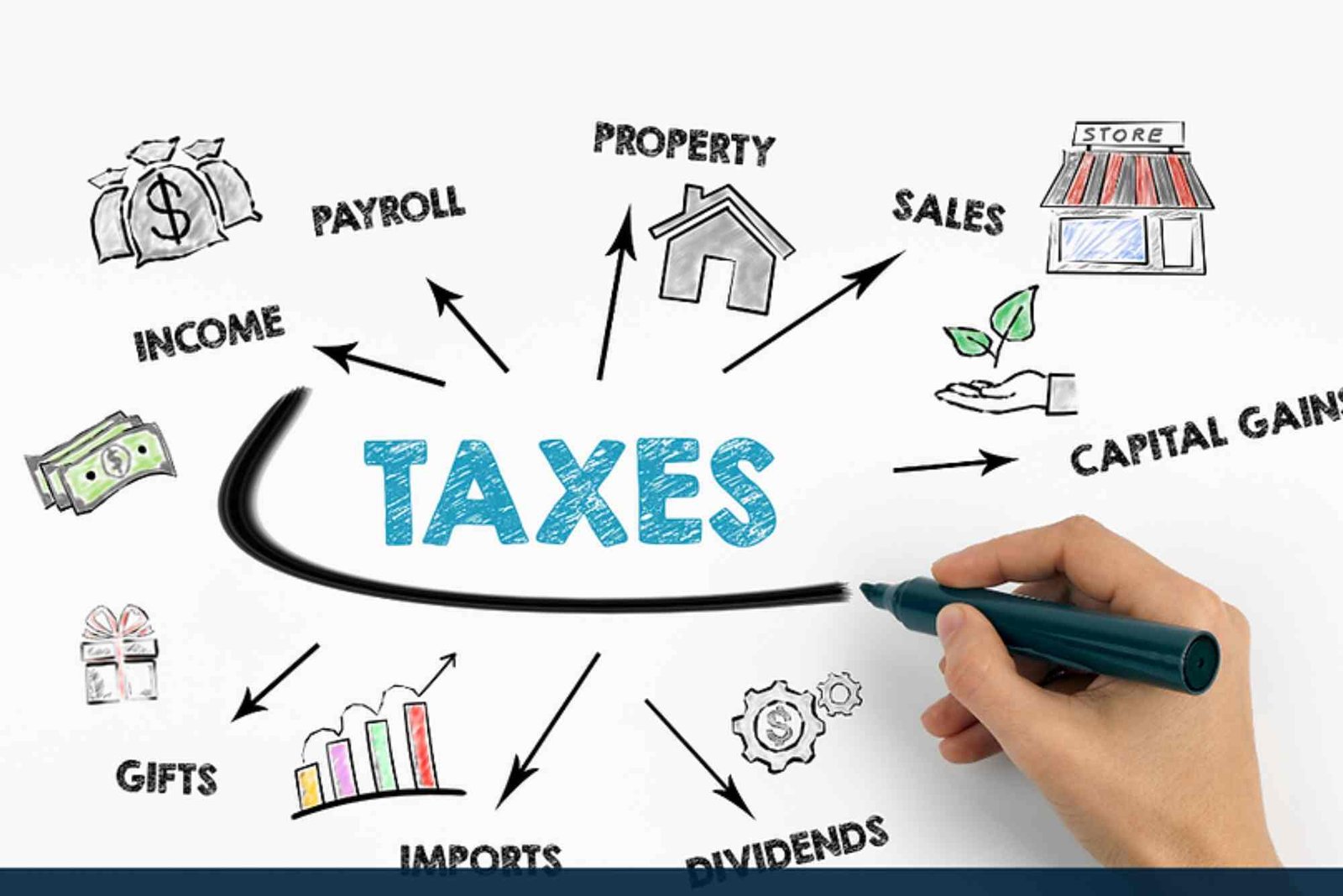
In simple terms, estimated tax payments are periodic payments made to the government on income that is not subject to automatic withholding. If you earn income from freelancing, rental properties, dividends, or self-employment, you may need to ask yourself repeatedly: Do I Have to Make Estimated Tax Payments?
Understanding this requirement helps you avoid penalties, manage cash flow, and stay compliant with tax laws. This article explains everything in a clear, practical, and expert-backed way.
What Are Estimated Tax Payments and Why Do They Exist?
Estimated tax payments are advance payments made on income that is not automatically taxed. The tax system is designed this way to ensure the government receives tax revenue throughout the year instead of waiting until filing season.
If you are still wondering Do I Have to Make Estimated Tax Payments?, the answer depends on how your income is earned. Employees typically have taxes withheld from their paycheck, but independent earners must handle it themselves.
Why Governments Require Estimated Taxes
The system ensures consistent tax collection and prevents taxpayers from facing large unpaid tax bills at year-end. When you evaluate Do I Have to Make Estimated Tax Payments?, think of it as a self-managed withholding system.


Who Needs to Ask: Do I Have to Make Estimated Tax Payments?
Not everyone is required to make estimated payments. However, certain groups are more likely to fall into this category.
Self-Employed Individuals
Freelancers, consultants, and gig workers often need to consider Do I Have to Make Estimated Tax Payments? because their income has no automatic withholding.
Small Business Owners
If you own a business, you likely need to calculate and submit quarterly tax payments based on profits.
Investors and Property Owners
People earning dividends, capital gains, or rental income also frequently ask Do I Have to Make Estimated Tax Payments?
High-Income Employees with Side Income
Even if you are employed, additional income sources can trigger the requirement.
Income Threshold Rules You Must Understand
Tax authorities generally set thresholds to determine whether you must make estimated payments. The most common rule is based on owing a certain amount after withholding.
The question Do I Have to Make Estimated Tax Payments? usually becomes relevant if:
You expect to owe a significant amount in taxes
Your withholding does not cover your total tax liability
You have multiple income sources
Understanding these thresholds helps you stay ahead of penalties and surprises.
How Estimated Tax Payments Are Calculated
To properly answer Do I Have to Make Estimated Tax Payments?, you must understand how the calculation works.
Estimated taxes are typically based on:
Your expected annual income
Applicable tax rate
Deductions and credits
Previous year tax liability
Example Calculation Table
Below is a simple illustration of how estimated tax might be calculated:
| Income Component | Estimated Amount | Tax Rate | Estimated Tax |
|---|---|---|---|
| Freelance Income | 20,000 | 15% | 3,000 |
| Rental Income | 10,000 | 12% | 1,200 |
| Investment Income | 5,000 | 10% | 500 |
| Total | 35,000 | — | 4,700 |
This table helps clarify why many people ask Do I Have to Make Estimated Tax Payments? when multiple income streams are involved.
When Are Estimated Tax Payments Due?
One of the most important parts of understanding Do I Have to Make Estimated Tax Payments? is knowing the deadlines.
Estimated taxes are usually paid quarterly:
Income earned in the first quarter is due in April
Income from the second quarter is due in June
Income from the third quarter is due in September
Income from the fourth quarter is due in January of the following year
Missing these deadlines can lead to penalties, which makes planning essential.
Penalties for Not Making Estimated Tax Payments
Failing to address Do I Have to Make Estimated Tax Payments? properly can result in penalties. These penalties are usually based on how much you underpay and how long the payment is overdue.
Common Penalty Triggers
Underpayment of taxes
Late payments
Failure to file estimated tax forms
The penalties may accumulate over time, increasing your total tax burden.
How to Avoid Estimated Tax Penalties
If you’re still unsure about Do I Have to Make Estimated Tax Payments?, the safest approach is to follow best practices that reduce risk.
The most effective method is to estimate your annual income accurately and divide your expected tax into four equal payments.
You can also adjust your withholding if you have a traditional job.
Safe Harbor Rule Explained in Simple Terms
The safe harbor rule helps taxpayers avoid penalties even if their estimate is slightly off. Many people asking Do I Have to Make Estimated Tax Payments? rely on this rule.
Common Mistakes People Make with Estimated Taxes
Many taxpayers misunderstand Do I Have to Make Estimated Tax Payments?, leading to errors such as underestimating income or missing deadlines.
Another common mistake is ignoring side income. Even small freelance work can trigger obligations.
Accurate recordkeeping is essential for avoiding confusion and penalties.
How Self-Employed Individuals Should Plan Taxes
Self-employed workers often struggle with the question Do I Have to Make Estimated Tax Payments? because income is irregular.
The best approach is to set aside a percentage of every payment received. Many experts recommend separating tax savings immediately after income is earned.
This method ensures smooth cash flow management throughout the year.
Do I Have to Make Estimated Tax Payments If My Income Changes?
Yes, you may still need to adjust your payments if your income increases or decreases.
If your income drops, you can reduce your estimated payments. If it increases, you should recalculate to avoid penalties.
This flexibility is why many taxpayers repeatedly ask Do I Have to Make Estimated Tax Payments? during the year.
Impact of Not Paying Estimated Taxes on Future Filings
Ignoring Do I Have to Make Estimated Tax Payments? can affect future filings by creating accumulated tax debt.
This may result in interest charges and reduced refunds. Long-term non-compliance can also trigger audits.
Expert Insights on Estimated Tax Planning
Financial experts recommend treating estimated taxes as a monthly budgeting item rather than a surprise expense.
If you consistently review your income and adjust payments, you reduce stress and improve financial control.
Professionals emphasize that understanding Do I Have to Make Estimated Tax Payments? is essential for financial stability.
Frequently Asked Questions (FAQ)
Do I Have to Make Estimated Tax Payments if I am employed?
If your employer withholds enough taxes from your salary, you may not need to make additional estimated payments. However, if you have extra income, the requirement may still apply.
What happens if I don’t make estimated tax payments?
If you fail to comply with Do I Have to Make Estimated Tax Payments?, you may face penalties and interest charges based on underpaid taxes.
Can I pay estimated taxes all at once?
Yes, but it is generally better to pay quarterly. Paying all at once may still be allowed but does not always avoid penalties.
How do I know exactly how much to pay?
You can estimate using prior-year taxes or projected income. Many taxpayers use professional tools or accountants to answer Do I Have to Make Estimated Tax Payments? accurately.
Is estimated tax payment mandatory for freelancers?
Yes, most freelancers must evaluate Do I Have to Make Estimated Tax Payments? because their income is not taxed automatically.
Do I Have to Make Estimated Tax Payments?
The answer to Do I Have to Make Estimated Tax Payments? depends entirely on your income type, tax withholding, and financial situation. If you earn income outside traditional employment, chances are you need to make these payments.
Why Invest in Mutual Funds? Mutual funds offer a simple way to grow wealth by pooling money into diversified assets managed by experts. They reduce risk, provide steady returns, and suit all investors. With low entry costs and flexibility, they help achieve long-term financial goals efficiently. They are ideal for beginners seeking diversification. They help build wealth over time with discipline smart investing