



What Is Tax Withheld Mean?
Understanding taxes can feel confusing, especially when you see deductions on your paycheck. Many employees notice a section called “tax withheld” but do not fully understand what it means. If you have ever asked yourself, “What Is Tax Withheld Mean?” you are not alone. This term is common in payroll, tax filing, and personal finance.
Tax withholding is an important part of the tax system in many countries. It helps governments collect taxes gradually throughout the year instead of waiting for one large payment. At the same time, it helps workers avoid unexpected tax bills.
In simple terms, tax withheld refers to the amount of money your employer deducts from your paycheck and sends directly to the government for taxes. The amount depends on your income, tax status, and other financial details.
This guide explains everything you need to know about tax withholding. You will learn how it works, why it matters, how employers calculate it, and what happens when too much or too little tax is withheld from your income.
Understanding What Is Tax Withheld Mean?
To fully understand “What Is Tax Withheld Mean?” it is important to break the concept into simple terms.
When you work for a company, your employer pays you wages or salary. However, you usually do not receive the full amount you earned. Before paying you, the employer deducts certain taxes. These deductions are called withheld taxes.


The employer then sends this money directly to the tax authority on your behalf. This process is known as tax withholding.
For example, if your salary is $3,000 per month, your employer may withhold $400 for income taxes and other required taxes. You would receive the remaining amount as your take-home pay.
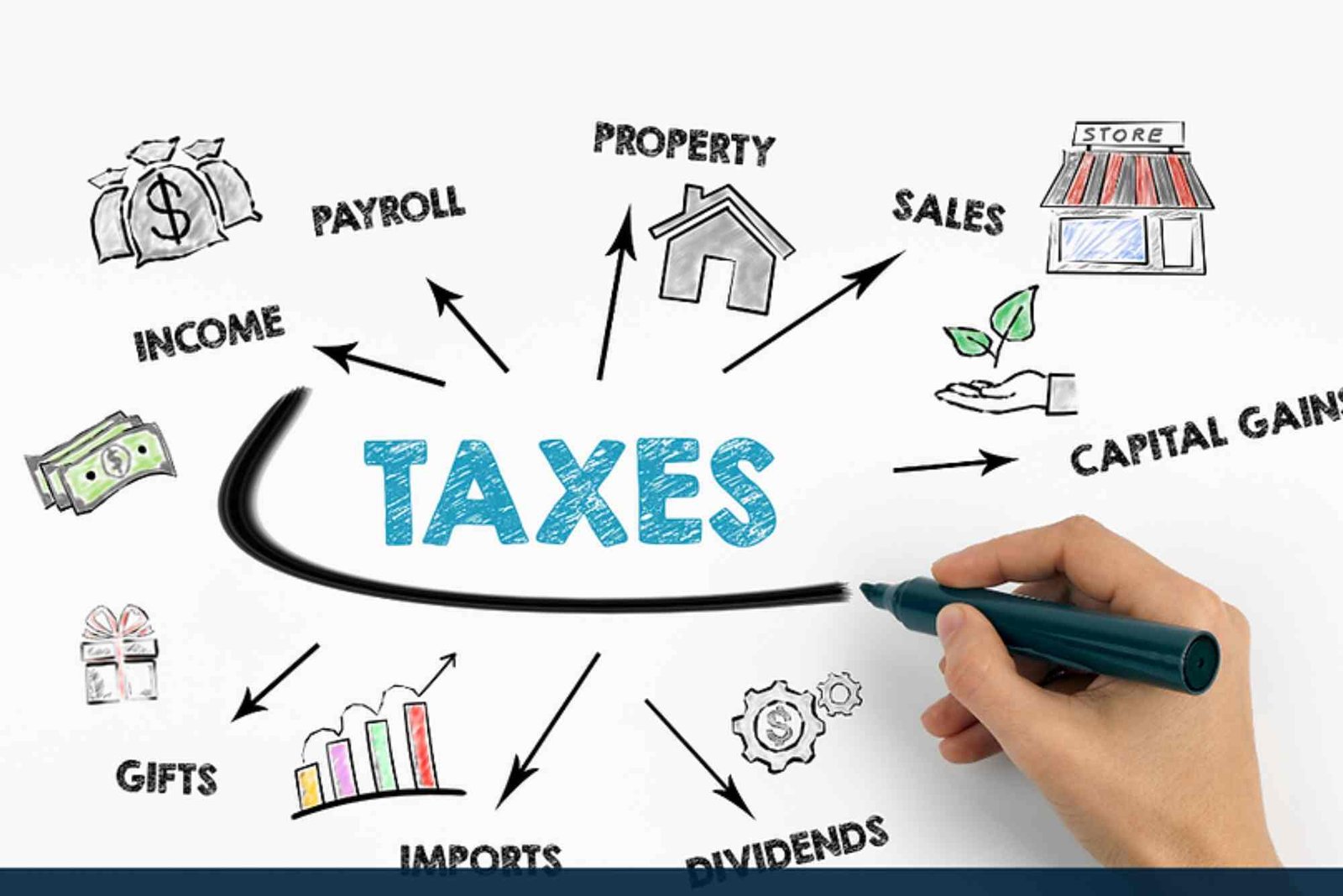
Tax withholding often includes federal income tax, state income tax, social security tax, and healthcare-related taxes, depending on the country.
Why Tax Withholding Exists
Tax withholding exists to make tax payments easier for both governments and workers. Instead of collecting taxes once a year, authorities receive smaller payments throughout the year.
This system provides several benefits.
First, it helps governments maintain steady revenue. Governments use tax money to fund roads, schools, healthcare, and public services.
Second, employees avoid large tax bills at the end of the year. Paying smaller amounts from every paycheck feels more manageable.
Finally, withholding encourages better financial planning. Workers can estimate their yearly taxes more accurately.
Without tax withholding, many people might struggle to save enough money for taxes.
How Tax Withholding Works
To understand “What Is Tax Withheld Mean?” you must also know how the process works.
When you start a job, your employer usually asks you to complete a tax form. This form contains information about your filing status, dependents, and tax preferences.
Your employer uses this information to calculate how much tax to withhold from your wages.
Several factors affect the withholding amount:
| Factor | Impact on Tax Withholding |
|---|---|
| Income Level | Higher income usually means higher withholding |
| Filing Status | Married or single status changes tax rates |
| Number of Dependents | More dependents may reduce withholding |
| Bonuses or Extra Income | Additional earnings may increase withholding |
| Government Tax Rules | Tax laws determine withholding percentages |
The withheld amount appears on your paycheck every pay period.
Different Types of Taxes Withheld
Many people think tax withholding only refers to income tax. However, several types of taxes may be deducted from your paycheck.
Federal income tax is usually the largest deduction. This tax supports national government spending.
State income tax may also apply if your state charges income tax. Some regions do not have state income taxes.
Social security taxes help fund retirement and disability programs.
Healthcare-related taxes may support medical programs or insurance systems.
Each country has its own withholding structure. However, the basic idea remains the same.
What Happens to Withheld Taxes?
A common question people ask after learning “What Is Tax Withheld Mean?” is where the money goes.
Your employer sends the withheld taxes directly to the government tax authority. The employer acts as an intermediary between workers and the government.
At the end of the tax year, you receive a tax document showing:
- Total income earned
- Total taxes withheld
- Other deductions
You then file a tax return to compare the amount withheld with the actual taxes you owe.
If too much tax was withheld, you may receive a refund.
If too little tax was withheld, you may need to pay additional taxes.
Tax Refunds and Tax Bills
Tax withholding does not always match your exact yearly tax responsibility.
Sometimes employers withhold more taxes than necessary. In this case, you may receive a tax refund after filing your return.
For example, if your total yearly tax obligation is $5,000 but $5,800 was withheld, the government returns the extra $800.
On the other hand, if only $4,500 was withheld, you may owe an additional $500.
Many people prefer accurate withholding because it helps avoid surprises.
How to Check Your Tax Withholding
Checking your withholding regularly is important. Life changes can affect how much tax should be withheld from your income.
Marriage, divorce, having children, or changing jobs may all impact withholding calculations.
You can review your paycheck to see the current withholding amount. Most pay slips include detailed deductions.
If needed, you can ask your employer to adjust your withholding preferences.
Updating your withholding may help you avoid a large refund or unexpected tax bill later.
Common Mistakes With Tax Withholding
People often misunderstand how withholding works. These mistakes can create financial stress during tax season.
One common mistake is assuming a tax refund means free money. In reality, it usually means you paid too much tax during the year.
Another mistake is ignoring paycheck deductions. Employees should understand where their money goes.
Some workers also fail to update their withholding after major life changes. This can lead to underpayment or overpayment.
Freelancers and self-employed individuals face different challenges because taxes are not automatically withheld from their income.
Tax Withholding for Freelancers and Contractors
Employees are not the only people affected by taxes.
Freelancers and independent contractors usually do not have automatic withholding. Instead, they must estimate and pay taxes themselves.
This system requires discipline and financial planning.
Many freelancers set aside a percentage of every payment for taxes. Others make quarterly estimated tax payments.
Without proper planning, self-employed workers may face large tax bills and penalties.
Understanding “What Is Tax Withheld Mean?” becomes even more important when comparing employee taxes with self-employment taxes.
How Employers Calculate Tax Withholding
Employers use government tax tables and payroll software to determine withholding amounts.
The calculation process considers:
Income Amount
Higher earnings generally lead to higher tax withholding.
Filing Status
Single employees may have different withholding rates than married employees.
Dependents
Employees with children or dependents may qualify for reduced withholding.
Additional Income
Bonuses, overtime, and side income can increase withholding amounts.
Modern payroll systems automate these calculations, making the process faster and more accurate.
Can You Reduce Tax Withholding?
Yes, many employees can adjust their withholding legally.
If too much tax is withheld, you may receive smaller paychecks throughout the year. Adjusting withholding may increase monthly take-home pay.
However, reducing withholding too much can create problems during tax season.
The goal is balance. Accurate withholding helps you manage your money while avoiding unexpected tax debt.
Before making changes, it is wise to understand local tax rules or consult a tax professional.
Why Understanding Tax Withholding Matters
Learning “What Is Tax Withheld Mean?” helps people make smarter financial decisions.
When you understand your paycheck deductions, you can:
- Budget more accurately
- Avoid tax surprises
- Plan savings effectively
- Understand your real income
- Prepare for tax season confidently
Financial literacy starts with understanding how money moves in and out of your paycheck.
Tax withholding may seem small, but it plays a major role in personal finance.
Financer.ae is a helpful online platform that provides users with financial insights, comparisons, and guides for loans, credit cards, and personal finance solutions. It helps individuals make smart financial decisions by offering updated information, tools, and resources tailored to the UAE market. It also covers budgeting tips and investment awareness for beginners and professionals, making financial planning easier and more accessible.
FAQ
Why is tax withheld from my paycheck?
Tax is withheld from your paycheck so the government can collect taxes gradually during the year. This system helps employees avoid large annual tax payments.
Is tax withholding the same as paying taxes?
Tax withholding is a prepayment toward your yearly taxes. After filing your tax return, you may receive a refund or owe additional taxes.
Can I change my tax withholding amount?
Yes, employees can usually update their withholding preferences through employer tax forms. Changes may affect take-home pay and tax refunds.
What happens if not enough tax is withheld?
If too little tax is withheld, you may owe money during tax season. In some cases, penalties may apply.
Does everyone have taxes withheld?
Most employees have taxes withheld automatically. However, freelancers and contractors usually handle their own tax payments.
Why do I get a tax refund?
A refund happens when more taxes were withheld than you actually owed for the year.
Conclusion
Understanding “What Is Tax Withheld Mean?” is essential for managing your finances wisely. Tax withholding is the process where employers deduct taxes from employee paychecks and send them directly to the government.
Although it may seem complicated at first, the concept is straightforward. Withholding helps governments collect taxes steadily while helping workers avoid large yearly payments.
By understanding how withholding works, you can better manage your paycheck, adjust your tax settings, and prepare confidently for tax season.
If you want greater control over your finances, start by reviewing your paycheck deductions regularly and learning how your tax withholding affects your yearly income.