



Introduction
Understanding where do you send federal tax returns is one of the most important steps when filing taxes in the United States. Many taxpayers feel confused about whether they should mail their documents, use electronic filing, or send their forms to a specific IRS processing center. The truth is that where do you send federal tax returns depends on several factors, including the type of return, your state of residence, and whether you are including a payment.
In this guide, we will clearly explain where do you send federal tax returns, how to identify the correct IRS mailing address, and when electronic filing may be a better option. If you are preparing your taxes for 2026, this information will help you avoid delays, penalties, and processing issues.
Understanding Where do You Send Federal Tax Returns
When taxpayers ask where do you send federal tax returns, they are usually referring to the physical mailing address assigned by the Internal Revenue Service. The IRS does not use a single universal address for all tax submissions. Instead, the address changes based on the form you are filing and whether you are including a payment.
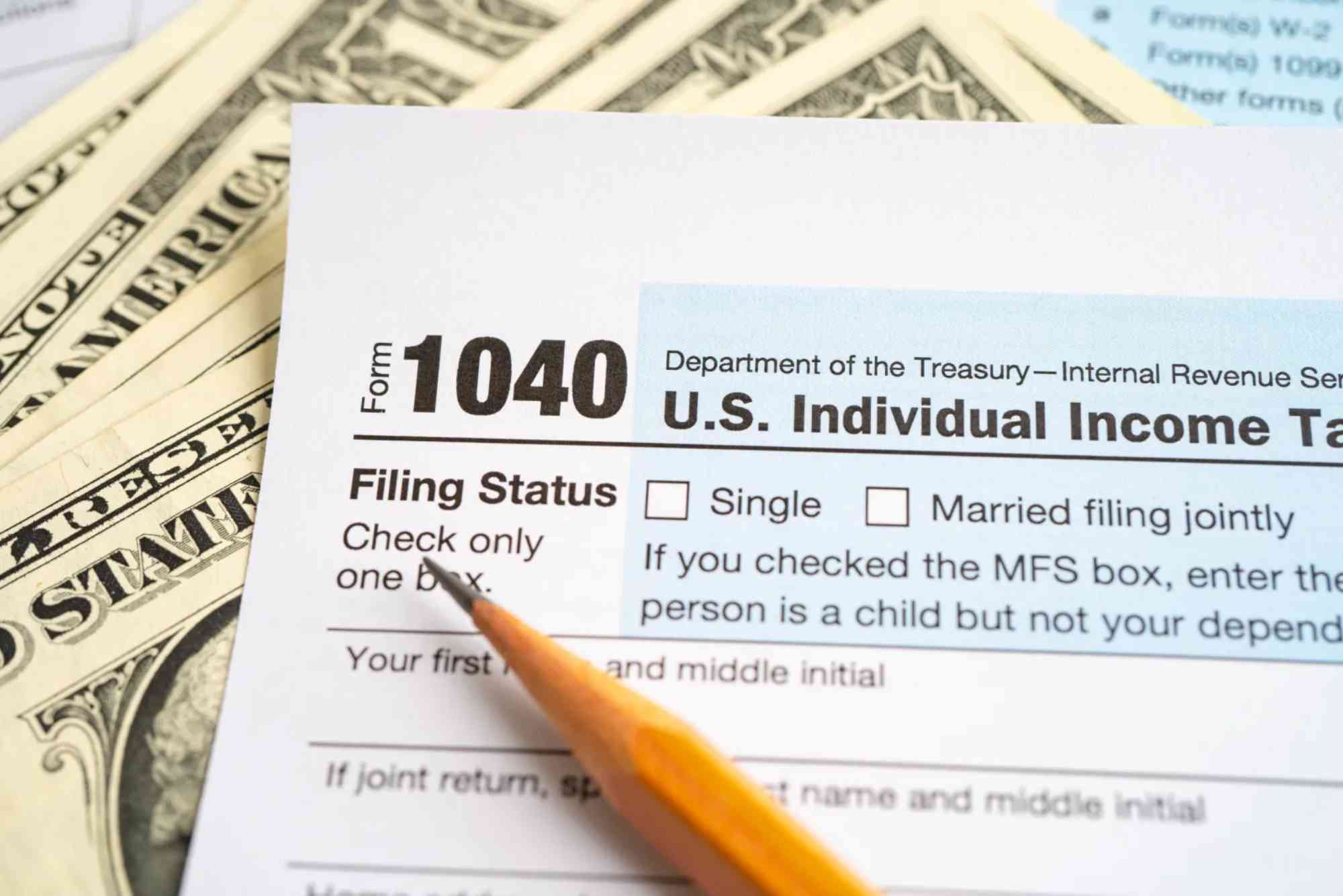
For example, if you are filing a standard Form 1040 without a payment, the IRS directs you to one processing center. However, if you are sending a payment along with your return, where do you send federal tax returns changes because different departments handle payments separately for faster processing.
This is why it is essential to double-check instructions before mailing anything. The IRS updates mailing addresses periodically, so using outdated information can delay your refund or cause your return to be misrouted.
Where do You Send Federal Tax Returns Based on Filing Method
One of the most common sources of confusion is that where do you send federal tax returns depends on how you file and what you include with your return. Taxpayers generally fall into three categories: those filing without payment, those filing with payment, and those filing special forms such as amendments or business returns.


If you are filing without a payment, your tax return typically goes to an IRS processing center assigned to your region. These centers are designed to handle returns that only require verification and refund processing.
If you are filing with a payment, the IRS instructs you to send your return to a different address. This ensures that your payment is processed quickly and applied correctly to your tax account.
For amended returns, known as Form 1040-X, where do you send federal tax returns becomes even more specific, as these are handled by dedicated amendment processing centers.
Understanding these differences is essential because sending your return to the wrong location can significantly delay your refund or processing time.
Why E-Filing Changes Where do You Send Federal Tax Returns
In modern tax systems, many people no longer need to worry about where do you send federal tax returns because electronic filing has become the standard method. When you e-file your return through IRS-approved software or a tax professional, your return is transmitted digitally to the IRS.
This eliminates the need for mailing entirely and reduces the chances of errors, lost documents, or delayed processing. In fact, the IRS strongly encourages taxpayers to use e-filing because it is faster, more secure, and often results in quicker refunds.
However, not everyone qualifies or chooses to e-file. In such cases, understanding where do you send federal tax returns by mail remains important.
Common IRS Mailing Address Factors
When determining where do you send federal tax returns, several factors influence the correct mailing address. These include your residential state, whether you are enclosing a check or money order, and the specific form you are submitting.
For example, taxpayers in different states are assigned to different IRS service centers to balance workload and improve efficiency. Similarly, if you are sending a payment, the IRS uses specialized lockbox addresses that are separate from standard processing centers.
Another important factor is whether you are filing a paper return for personal income tax or a business-related return. Business filings often go to entirely different departments, which is why it is important to carefully read IRS instructions before mailing.
Mistakes to Avoid When Deciding Where do You Send Federal Tax Returns
Many taxpayers make avoidable mistakes when figuring out where do you send federal tax returns. One of the most common errors is using an outdated address. The IRS occasionally changes mailing locations, and using old instructions can result in delayed processing.
Another mistake is sending your return to the wrong department. For example, mailing a payment return to a non-payment address can slow down the processing of your tax account.
Some taxpayers also forget to include necessary forms or signatures, which leads to rejection or resubmission requests. These errors can be avoided by carefully reviewing IRS instructions and ensuring that your return is complete before mailing.
Processing Time After You Send Federal Tax Returns
Once you understand where do you send federal tax returns and successfully mail your documents, the next concern is processing time. Paper returns generally take longer to process compared to electronic filings.
On average, paper returns may take several weeks to a few months depending on the IRS workload and whether your return is complete and accurate. If there are any errors, the processing time can increase further.
This is another reason why many taxpayers prefer electronic filing, as it significantly reduces waiting time and provides faster confirmation of receipt.
Why Knowing Where do You Send Federal Tax Returns Matters
Knowing where do you send federal tax returns is not just about mailing an envelope correctly. It directly impacts how quickly your refund is processed and whether your return is handled without delays.
Incorrect mailing can lead to lost documents, delayed refunds, or even penalties in some cases. That is why taxpayers should always verify IRS instructions before submitting their returns.
Understanding this process also helps you stay organized and confident during tax season, especially if you are filing independently without professional assistance.
Which Patek Philippe to Invest: Investing in a Patek Philippe watch is a symbol of luxury and long-term value. Models like Nautilus, Aquanaut, and Calatrava are highly sought after for their craftsmanship, rarity, and strong resale demand. These timepieces not only hold value but often appreciate over time, making them a smart choice for collectors and investors seeking prestige and profit.today
FAQs
Where do you send federal tax returns if you are filing for the first time
If you are filing for the first time, where do you send federal tax returns depends on your state of residence and whether you are including payment. The IRS assigns different mailing addresses based on these factors, so you must follow the instructions on your tax form carefully.
Can you send federal tax returns electronically instead of mailing them
Yes, most taxpayers can avoid worrying about where do you send federal tax returns by using IRS e-filing systems. Electronic filing is faster, more secure, and reduces errors compared to mailing paper returns.
What happens if you send federal tax returns to the wrong address
If you send your return to the wrong location, processing will be delayed. In some cases, your return may be forwarded to the correct center, but this can significantly slow down refunds or account updates.
How long does it take after sending federal tax returns by mail
After mailing your return, processing can take several weeks to months. The exact time depends on accuracy, workload, and whether you included payment, which is why where do you send federal tax returns is so important for proper routing.
Do all states have different addresses for federal tax returns
Yes, different states may have different IRS mailing centers. This is why taxpayers must always check the official instructions when deciding where do you send federal tax returns to ensure correct delivery.