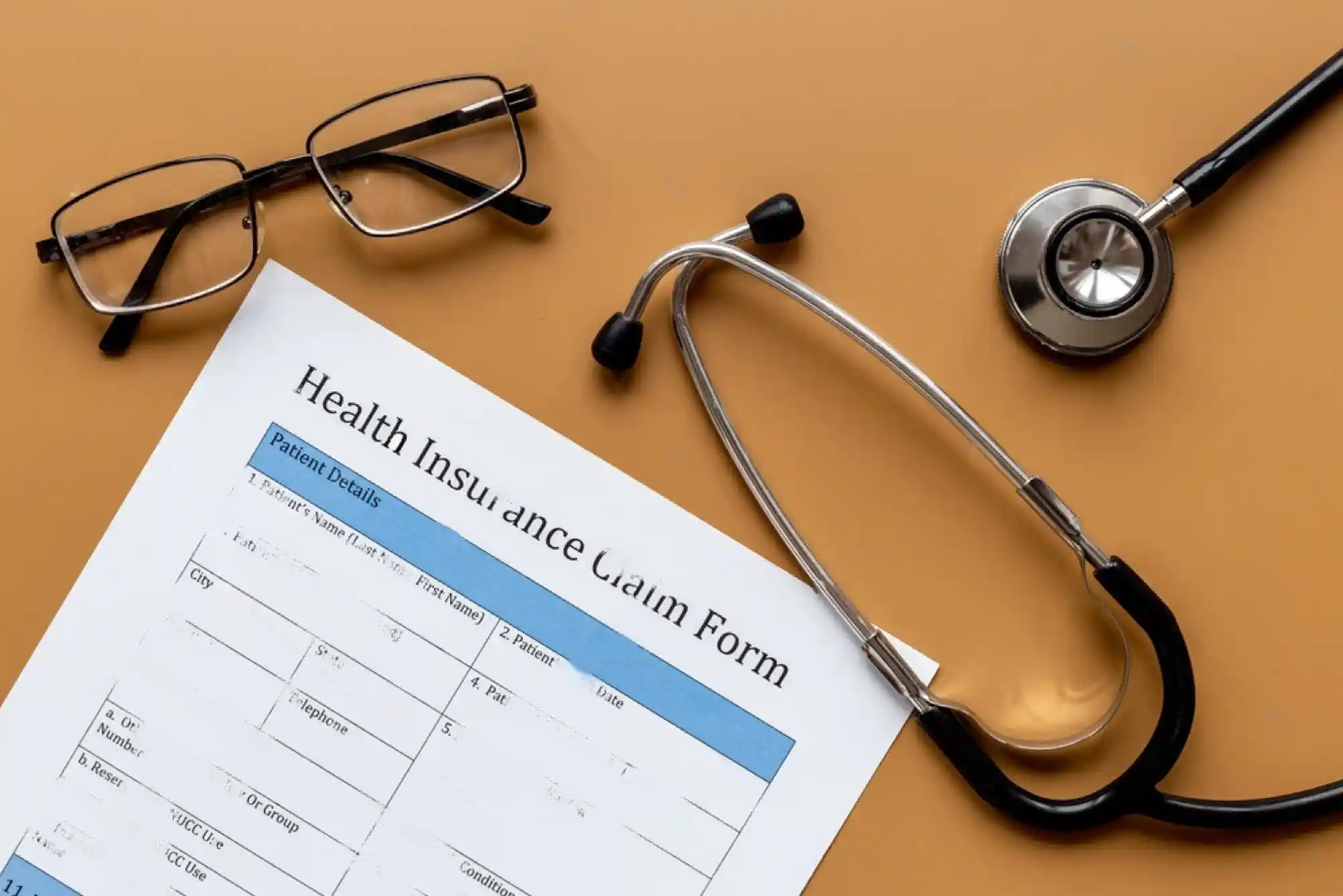




What Happens If You Default on Business Loan
Running a business often requires financial support. Many companies rely on loans to manage operations, buy inventory, expand services, or cover emergencies. However, financial difficulties can sometimes make repayment impossible. This leads many business owners to ask: what happens if you default on business loan?
Defaulting on a business loan can create serious financial and legal consequences. It may affect your company’s reputation, reduce access to future funding, and even impact personal finances. Understanding the risks and knowing how lenders respond can help business owners make informed decisions before the situation worsens.
This guide explains what happens if you default on business loan, how lenders react, and what steps can help reduce the damage.
Understanding Business Loan Default
A business loan default occurs when a borrower fails to meet the agreed repayment terms. Most lenders consider a loan in default after several missed payments. The exact timeline depends on the loan agreement.
Some lenders first classify the account as delinquent. If payments remain unpaid, the account officially enters default status. At that stage, lenders may begin collection efforts or legal action.
Business loan defaults can happen for several reasons. Declining revenue, poor cash flow, unexpected expenses, and economic downturns are common causes. In some cases, businesses overborrow without fully evaluating repayment ability.


Difference Between Late Payment and Default
A late payment does not always mean default. Many lenders provide a short grace period. However, repeated missed payments usually trigger default conditions.
Once the loan enters default, the lender gains additional rights under the contract. These rights often include demanding full repayment immediately.
What Happens If You Default on Business Loan
When borrowers ask what happens if you default on business loan, the answer depends on the type of financing, the lender, and the loan agreement. Still, most defaults follow a similar process.
Damage to Business Credit Score
One of the first consequences is damage to the business credit profile. Lenders report missed payments to commercial credit agencies. This lowers the company’s credit rating.
A lower credit score makes future financing more difficult. Suppliers may also hesitate to offer trade credit. In severe cases, landlords and vendors may view the business as high risk.
Collection Calls and Notices
After missed payments, lenders usually contact the borrower through calls, emails, and formal notices. Their goal is to recover the debt quickly.
Many lenders try negotiation before escalating the matter. They may offer revised payment plans or temporary relief if the borrower communicates honestly.
Ignoring lender communication often makes the situation worse. Open discussion usually increases the chances of finding a workable solution.
Increased Interest and Penalties
Loan agreements often include default penalties. These may involve higher interest rates, late fees, or legal costs.
As a result, the total debt grows rapidly after default. This makes repayment more difficult over time.
Legal Action Against the Business
Another important part of understanding what happens if you default on business loan is the possibility of lawsuits. If negotiations fail, lenders may file legal claims.
Courts can issue judgments requiring repayment. In some situations, lenders may freeze business bank accounts or seize funds.
Legal action also creates public records, which can damage the company’s reputation.
Can Lenders Seize Business Assets?
Many business loans are secured loans. This means the borrower pledged assets as collateral.
Collateral may include equipment, inventory, vehicles, property, or accounts receivable. If the borrower defaults, the lender can take possession of those assets.
The lender may sell the collateral to recover losses. Unfortunately, the sale value is often lower than the original asset value.
The table below explains common collateral types and lender actions after default.
| Loan Collateral | Possible Lender Action |
|---|---|
| Equipment | Repossession and resale |
| Commercial property | Foreclosure |
| Inventory | Seizure and liquidation |
| Vehicles | Repossession |
| Accounts receivable | Collection from customers |
Secured lenders generally recover debts faster because collateral reduces their financial risk.
Personal Guarantees and Personal Liability
Many small business loans require a personal guarantee. This means the business owner agrees to repay the debt personally if the business cannot pay.
This is one of the most serious answers to the question what happens if you default on business loan.
If a personal guarantee exists, lenders may pursue personal assets. This can include personal savings, vehicles, or even property.
Some lenders also review personal credit reports before approving financing. Therefore, a business loan default may damage both business and personal credit scores.
Unlimited vs Limited Guarantees
An unlimited guarantee makes the borrower fully responsible for the entire debt amount.
A limited guarantee restricts liability to a specific amount or percentage.
Business owners should always understand guarantee terms before signing loan agreements.
Impact on Future Borrowing
Loan default creates long-term financing challenges. Traditional banks become cautious when reviewing businesses with previous defaults.
Alternative lenders may still provide funding, but interest rates are often higher. Businesses may also face stricter repayment terms.
Investors and partners may lose confidence in the company’s financial management. Therefore, rebuilding trust becomes essential after default.
Tax Consequences of Default
Some borrowers overlook the tax effects of unpaid debt. In certain cases, forgiven debt may count as taxable income.
For example, if a lender settles a smaller amount and cancels the remaining balance, tax authorities may consider the forgiven portion taxable.
Business owners should consult financial professionals to understand local tax regulations after loan settlements.
How to Avoid Defaulting on a Business Loan
Although default has serious consequences, many businesses can avoid it through early action.
Communicate with the Lender Early
Lenders often prefer cooperation over legal action. If financial difficulties appear, contact the lender immediately.
Early communication may result in modified payment terms or temporary relief.
Review Cash Flow Regularly
Cash flow problems are a major reason businesses default. Monitoring income and expenses helps identify risks before they become unmanageable.
Accurate forecasting also improves decision-making during slow periods.
Refinance Existing Debt
Some businesses refinance high-interest loans into more manageable repayment structures.
Refinancing may reduce monthly payments and improve cash flow stability.
Reduce Unnecessary Expenses
Cutting nonessential costs can free funds for loan payments. Even small savings help during financial pressure.
Business owners should prioritize critical operations and debt obligations.
What to Do After Defaulting
Understanding what happens if you default on business loan also includes learning recovery strategies.
Negotiate a Settlement
Some lenders accept partial settlements rather than pursuing expensive legal action.
Settlement agreements should always be documented clearly to avoid future disputes.
Consider Debt Restructuring
Debt restructuring changes repayment terms to make the debt manageable.
This may include extended repayment periods or reduced interest rates.
Seek Professional Advice
Accountants, financial advisors, and business attorneys can help evaluate available options.
Professional guidance becomes especially important if legal action has started.
Focus on Rebuilding Credit
Recovering from default takes time, but improvement is possible.
Businesses should make future payments on time, reduce outstanding debt, and monitor credit reports regularly.
Consistent financial discipline gradually rebuilds lender confidence.
Industries Most Vulnerable to Loan Default
Some industries face greater default risk because of market fluctuations and seasonal income.
Restaurants often struggle with rising operating costs and changing customer demand. Retail businesses face strong online competition. Construction companies may experience payment delays from projects.
Service-based businesses can also suffer during economic downturns when customers reduce spending.
Businesses in high-risk industries should maintain emergency reserves and avoid excessive borrowing.
How Long Does a Business Loan Default Stay on Record?
Default records may remain on business credit reports for several years. The exact period depends on the credit bureau and local regulations.
During that time, lenders continue reviewing the negative history during loan applications.
However, the impact decreases gradually if the business demonstrates responsible financial behavior afterward.
Can Bankruptcy Stop Collection Efforts?
Some business owners consider bankruptcy after default. Bankruptcy may temporarily stop collection activities through legal protection.
However, bankruptcy also has serious long-term consequences. It affects creditworthiness and may involve asset liquidation.
Different bankruptcy types apply to different business structures. Legal advice is essential before choosing this option.
Conclusion
Understanding what happens if you default on business loan is essential for every entrepreneur. Default can damage credit, trigger legal action, increase debt costs, and threaten both business and personal assets.
Still, early communication and financial planning can reduce the risks significantly. Many lenders prefer negotiation over aggressive collection methods when borrowers remain cooperative.
Business owners should monitor cash flow carefully, seek professional advice when needed, and address financial problems before they become severe. Responsible financial management remains the best protection against loan default.
If your business faces repayment challenges, act quickly. Taking proactive steps today can help protect your company’s future and financial stability.
Financer.ae is a helpful online platform that provides users with financial insights, comparisons, and guides for loans, credit cards, and personal finance solutions. It helps individuals make smart financial decisions by offering updated information, tools, and resources tailored to the UAE market. It also covers budgeting tips and investment awareness for beginners and professionals, making financial planning easier and more accessible.
FAQs
Can you go to jail for defaulting on a business loan?
No, defaulting on a business loan is generally a civil matter, not a criminal offense. However, fraud or intentional deception could lead to legal consequences.
How many missed payments before a business loan defaults?
Most lenders consider a loan in default after several missed payments. The exact timeline depends on the loan agreement.
Does business loan default affect personal credit?
Yes, personal credit may suffer if the loan includes a personal guarantee or if the lender reports the default to personal credit bureaus.
Can lenders take personal property after business loan default?
Lenders may pursue personal assets if the borrower signed a personal guarantee agreement.
Is it possible to recover after defaulting on a business loan?
Yes, businesses can recover through settlements, restructuring, better cash flow management, and consistent repayment behavior over time.
Can a lender forgive business loan debt?
Some lenders may agree to partial forgiveness during settlement negotiations. However, forgiven debt may create tax obligations.