




Introduction to What Is Withholding Tax?
Understanding what is withholding tax is essential for employees, businesses, freelancers, and international earners. Withholding tax is a system where a portion of income is deducted at the source before the payment is made to the recipient. Instead of receiving full payment and later paying tax, the government collects tax in advance through the payer.
When people first hear what is withholding tax, it often sounds complicated. However, it is simply a method of tax collection designed to improve compliance and reduce tax evasion. Employers, banks, and financial institutions usually act as intermediaries, deducting tax before transferring income.
In many countries, including developing and developed economies, withholding tax is a key part of the taxation system. It applies to salaries, dividends, interest, royalties, and cross-border payments. This system ensures governments receive revenue consistently while reducing the burden of lump-sum tax payments on individuals.
Understanding the Core Meaning of What Is Withholding Tax
To fully understand what is withholding tax, it is important to break it down into simple terms. The word “withholding” means to hold back or deduct. So, withholding tax refers to the tax that is held back from income before it reaches the taxpayer.
For example, when an employee earns a salary, the employer deducts income tax and sends it directly to the tax authority. The employee receives the net salary after deduction.
This process ensures that tax obligations are partially or fully settled in real-time rather than at the end of the financial year.


How Withholding Tax Works in Practice
When exploring what is withholding tax, the practical mechanism becomes very important. The process typically involves three parties: the payer, the payee, and the tax authority.
The payer (such as an employer or company) deducts a specific percentage from the payment. This deducted amount is then sent directly to the government. The remaining amount is paid to the individual or business receiving the income.
This system ensures transparency and reduces the chances of tax evasion. It also simplifies tax collection for governments.
In many countries, withholding tax rates vary depending on income type, residency status, and international tax treaties.
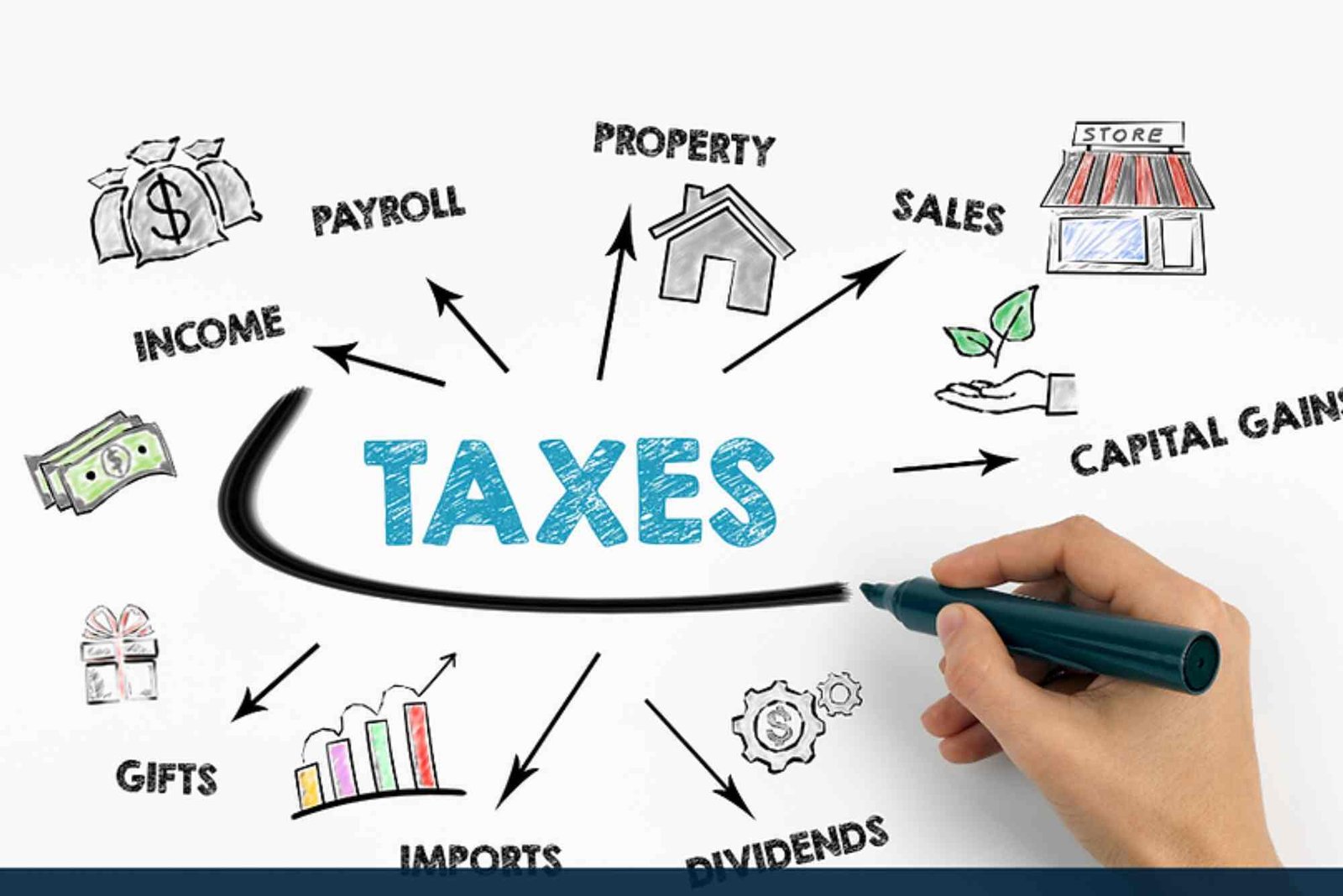
Types of Withholding Tax Explained
Employment Withholding Tax
Employment tax is the most common form when discussing what is withholding tax. Employers deduct tax from salaries based on income brackets. This ensures employees contribute to income tax gradually throughout the year.
Dividend Withholding Tax
When companies distribute profits to shareholders, a portion is withheld as tax. This is especially common in stock investments and corporate earnings.
Interest Withholding Tax
Banks and financial institutions often deduct tax from interest earned on savings accounts, bonds, or fixed deposits.
Cross-Border Withholding Tax
International transactions also fall under what is withholding tax rules. When money is paid to foreign companies or individuals, tax is often deducted before transfer, depending on tax treaties between countries.
Why Governments Use Withholding Tax Systems
A key reason for implementing what is withholding tax systems is efficiency. Governments need a stable revenue stream to fund public services such as healthcare, education, and infrastructure.
Withholding tax ensures:
- Steady tax collection throughout the year
- Reduced tax evasion
- Easier compliance for taxpayers
- Better monitoring of financial flows
This system also reduces the burden on taxpayers, as they do not need to pay large sums at once during tax season.
Withholding Tax vs Income Tax
Many people confuse withholding tax with income tax, so understanding the difference is essential when learning what is withholding tax.
Income tax is the total tax liability calculated annually based on total income. Withholding tax, on the other hand, is an advance payment of that tax.
In simple terms, withholding tax is part of income tax collected early. If too much is deducted, taxpayers may receive a refund. If too little is deducted, additional payment may be required.
Examples of Withholding Tax in Real Life
To better understand what is withholding tax, consider a salary example. If an employee earns $3,000 monthly and the withholding tax rate is 10%, the employer deducts $300 before paying the employee. The employee receives $2,700.
Another example is dividends. If a company declares $1,000 in dividends and the withholding tax rate is 15%, $150 is deducted and sent to the tax authority. The shareholder receives $850.
These examples show how the system works in everyday financial transactions.
Importance of Withholding Tax in Global Economy
The concept of what is withholding tax plays a crucial role in international finance. It ensures that cross-border income is taxed fairly and consistently.
Countries use tax treaties to avoid double taxation. This means individuals or companies are not taxed twice on the same income in two different countries.
With globalization, withholding tax has become even more important for regulating international trade and investment.
Common Challenges in Withholding Tax Systems
Although what is withholding tax systems are effective, they come with challenges.
One major issue is incorrect deduction rates. Employers or financial institutions may deduct too much or too little tax, leading to compliance issues.
Another challenge is complexity in cross-border taxation. Different countries have different rules, making compliance difficult for multinational companies.
Tax authorities continuously update regulations to improve accuracy and fairness.
How Individuals Can Manage Withholding Tax
Understanding what is withholding tax helps individuals manage their finances better. Employees should review payslips regularly to ensure correct deductions.
Investors should also understand tax implications on dividends and interest income. In some cases, tax credits or refunds may be available.
Proper financial planning can help reduce unnecessary tax burdens and improve overall income management.
Withholding Tax in the Digital Age
Modern financial systems have made what is withholding tax more automated. Payroll software, banking systems, and online tax platforms now handle deductions automatically.
This reduces human error and increases efficiency. Digital taxation systems also improve transparency and real-time reporting.
Governments are increasingly adopting AI-based systems to track and manage tax compliance.
Why Understanding Withholding Tax Matters
Understanding what is withholding tax is essential for anyone earning income, whether locally or internationally. It simplifies tax collection, ensures compliance, and supports government revenue systems.
While it may seem complex at first, withholding tax is simply an advance deduction of income tax. Once you understand its structure, it becomes much easier to manage personal and business finances effectively.
If you are a taxpayer, employee, or investor, staying informed about withholding tax rules can help you avoid penalties and optimize your financial planning.
Frequently Asked Questions (FAQ)
What is withholding tax in simple words?
Withholding tax is the amount of tax deducted from income before it is paid to the receiver. It is sent directly to the government by the payer.
Why is withholding tax deducted?
It is deducted to ensure tax compliance and to help governments collect revenue efficiently throughout the year.
Is withholding tax refundable?
Yes, in some cases. If too much tax is deducted, taxpayers may receive a refund after filing their annual tax return.
Who pays withholding tax?
The payer (employer, bank, or company) deducts and submits it, but the tax is ultimately paid by the income recipient.
Does withholding tax apply to international payments?
Yes, cross-border payments such as royalties, dividends, and service fees often include withholding tax depending on tax treaties.
Who Needs Life Insurance in the UAE? P in UAE, life insurance is essential for expatriates, families, and working professionals who want financial protection and security for dependents in case of unexpected death or disability. It is especially important for those with loans, mortgages, or business obligations, as it ensures financial stability and peace of mind for loved ones.