

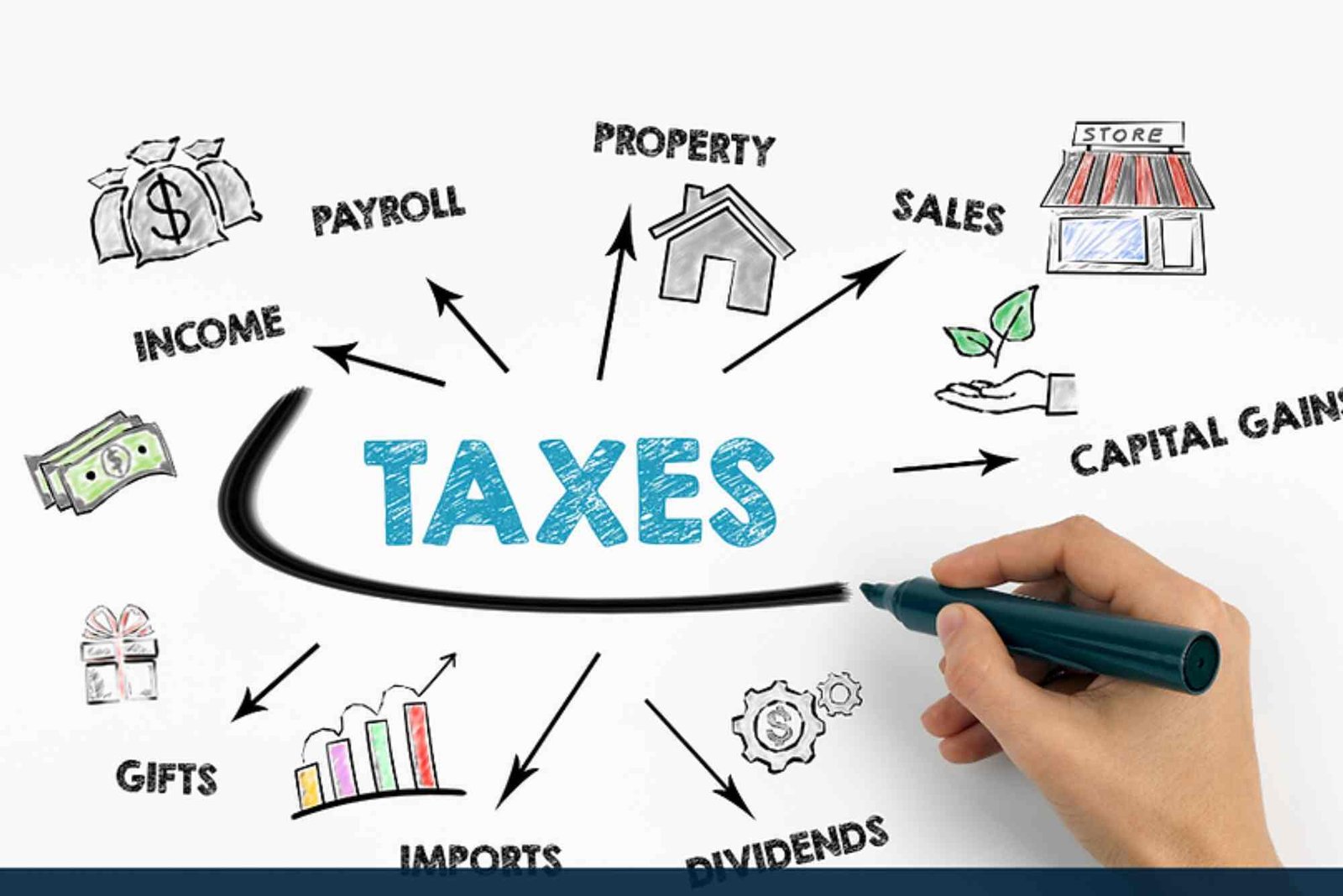


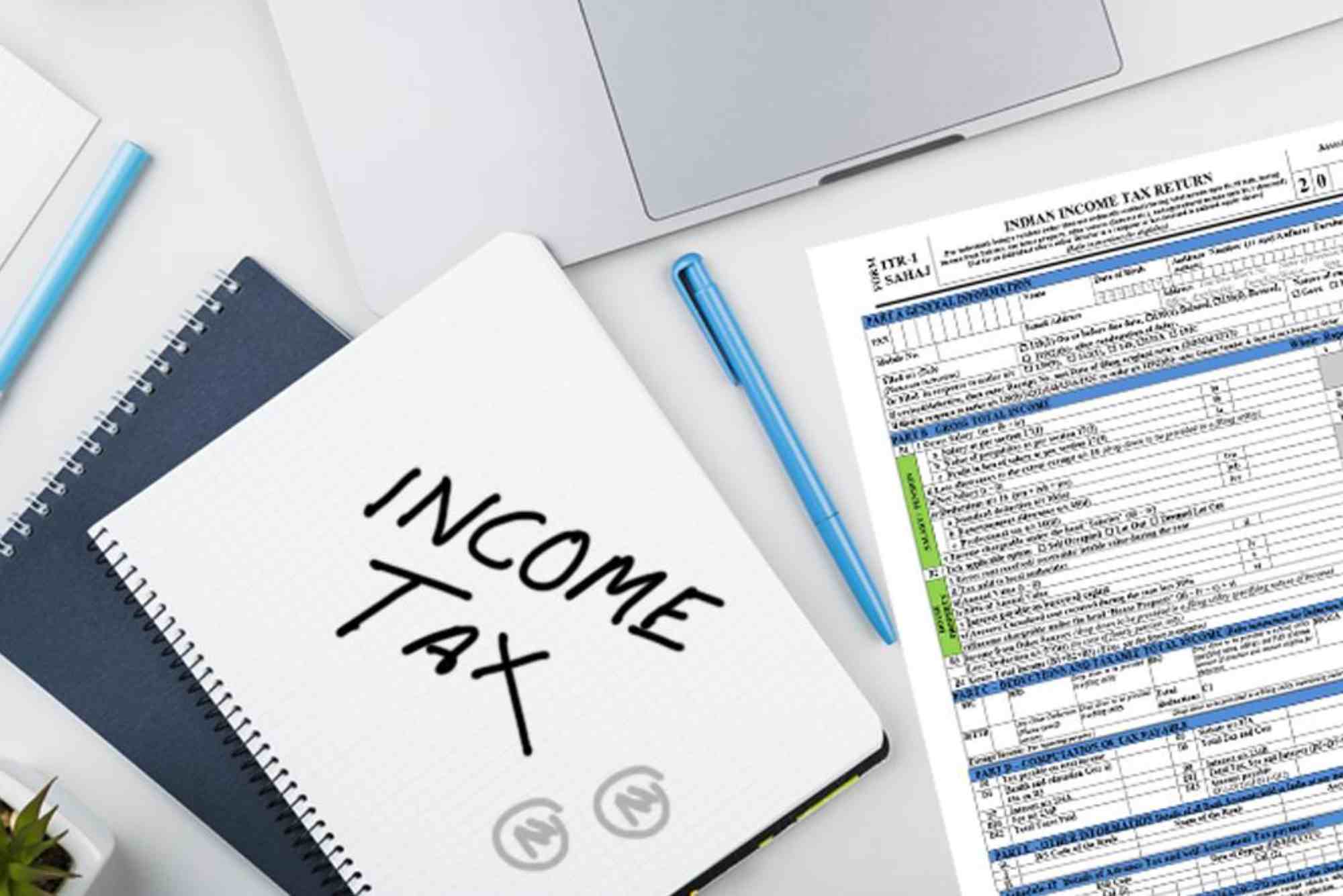
Introduction
Understanding What Is The Minimum Income to File Taxes in India? is essential for every earning individual, whether you are a salaried employee, freelancer, or small business owner. Many people assume that if their income is low, they do not need to worry about tax filing. However, the rules are more detailed than that.
In India, the requirement to file an Income Tax Return (ITR) depends on multiple factors such as your total income, age, tax regime, deductions, and even financial transactions beyond salary. The government also updates exemption limits and rebates from time to time, which makes it important to stay informed.
In this article, we will break down What Is The Minimum Income to File Taxes in India? in a simple, practical, and updated way so you can clearly understand whether you need to file taxes or not.
What Is The Minimum Income to File Taxes in India?
The minimum income to file taxes in India depends on the tax regime you choose (old or new) and your age group. Generally, if your total income is below the basic exemption limit, you may not need to pay tax. However, filing an ITR may still be required in certain cases.
Basic Exemption Limits in India
Under current rules:
- New Tax Regime: Income up to ₹3,00,000 is tax-free
- Old Tax Regime:
- ₹2,50,000 for individuals below 60 years
- ₹3,00,000 for senior citizens (60–80 years)
- ₹5,00,000 for super senior citizens (above 80 years)
So, when people ask What Is The Minimum Income to File Taxes in India?, the answer usually starts from these exemption limits—but filing rules go beyond just income tax liability.


Minimum Income to File Taxes in India under New Tax Regime
The minimum income to file taxes in India under the new tax regime is based on simplified slabs and fewer deductions.
Key Features of New Tax Regime
- Higher rebate under Section 87A (up to ₹7 lakh income = zero tax)
- Lower tax rates but fewer deductions
- No exemption for most traditional deductions (like 80C, HRA)
Filing Requirement
Even if your income is below ₹3 lakh, you may still need to file ITR if:
- TDS has been deducted and you want a refund
- You have multiple income sources
- You meet specific mandatory filing conditions
So, What Is The Minimum Income to File Taxes in India under the new system? It is not just about income—it is also about financial activity.
Minimum Income to File Taxes in India under Old Tax Regime
The old tax regime is more complex but offers multiple deductions and exemptions.
Exemption Limits under Old Regime
- ₹2.5 lakh for individuals below 60 years
- ₹3 lakh for senior citizens
- ₹5 lakh for super senior citizens
Why Filing May Still Be Required
Even if your income is below the taxable limit, you may still need to file taxes if:
- You have earned capital gains
- You have foreign income or assets
- You want to claim a tax refund
- You have deposited large amounts in bank accounts
Therefore, What Is The Minimum Income to File Taxes in India under the old regime? is not fixed only by income—it depends on compliance rules as well.
Who Must File Income Tax Return in India Even If Income Is Low
Even if your income is below the taxable threshold, filing an ITR can still be mandatory.
Situations Where Filing Is Required
High-Value Transactions
If you have:
- Deposited more than ₹1 crore in a bank account
- Spent over ₹2 lakh on foreign travel
- Paid electricity bills above ₹1 lakh
TDS Deduction
If tax has been deducted at source, you must file to claim refunds.
Business or Freelance Income
Even small earnings from business or freelancing may require filing.
Foreign Assets
Owning foreign property, shares, or accounts makes filing mandatory.
Loss Carry Forward
To carry forward losses (like stock market losses), filing ITR is required.
So, the real meaning of What Is The Minimum Income to File Taxes in India? includes both income and financial behavior.
Why Filing ITR Is Important Even If Income Is Low
Many people avoid filing thinking it is unnecessary. However, filing ITR has long-term benefits:
- Proof of income for loans and visas
- Easy access to refunds
- Financial record building
- Avoiding penalties in future assessments
- Eligibility for government schemes
Even if you are below the taxable limit, filing can be financially beneficial.
Penalties for Not Filing Income Tax Return
Ignoring What Is The Minimum Income to File Taxes in India? rules can lead to penalties.
Possible Consequences
- Late filing fees up to ₹5,000 under Section 234F
- Interest on unpaid tax
- Loss of refund claims
- Legal notices from Income Tax Department
- Restrictions on financial transactions in severe cases
Filing on time ensures financial safety and compliance.
Documents Required for Filing ITR
Before filing your return, keep these documents ready:
- PAN Card and Aadhaar Card
- Bank statements
- Form 16 (for salaried individuals)
- TDS certificates
- Investment proofs
- Rent receipts (if applicable)
- Capital gains statements
Having these ready makes the process smooth and accurate.
Process to File Income Tax Return in India
Filing your return is now mostly online.
Visit Income Tax Portal
Go to the official Income Tax e-filing website.
Login/Register
Use PAN as your user ID.
Select Assessment Year
Choose the correct financial year.
Fill Income Details
Enter salary, business income, and other earnings.
Claim Deductions
Apply deductions under sections like 80C, 80D, etc.
Verify and Submit
Check details and submit your return.
E-Verification
Complete Aadhaar OTP or other verification methods.
Common Mistakes People Make About Minimum Income Rules
Many taxpayers misunderstand What Is The Minimum Income to File Taxes in India?
Frequent Mistakes
- Assuming no income means no filing requirement
- Ignoring bank interest income
- Not reporting freelance earnings
- Missing foreign asset disclosures
- Believing filing is unnecessary below exemption limit
Avoiding these mistakes ensures smooth compliance.
Understanding What Is The Minimum Income to File Taxes in India? is not just about knowing exemption limits—it is about understanding your full financial situation. While basic income thresholds exist under both old and new tax regimes, filing requirements often extend beyond income levels.
FAQs
Is it mandatory to file ITR if income is below 2.5 lakh?
No, if your income is below the exemption limit, filing is not mandatory in most cases. However, exceptions like TDS or high-value transactions may apply.
What happens if I don’t file income tax return?
You may face penalties, loss of refunds, and legal notices from the Income Tax Department.
Can I file ITR if my income is below taxable limit?
Yes, and it is often recommended if TDS has been deducted or you need financial documentation.
What is rebate under Section 87A?
It is a tax rebate that allows individuals earning up to ₹7 lakh under the new regime to pay zero tax.
Do freelancers need to file tax returns?
Yes, freelancers must file ITR if their income exceeds the basic exemption limit or if TDS has been deducted.
What Is Tariff Insurance in the UAE? P is a short insurance concept in UAE trade and logistics that protects importers and exporters from unexpected tariff changes imposed by customs authorities. It helps businesses manage cost risks, maintain pricing stability, and plan international shipments more confidently in a changing regulatory environment. It helps businesses manage cost risks, maintain pricing stability, and plan international shipments more confidently in a changing regulatory environment, especially for cross-border trade efficiency.UAE