



Introduction
Understanding what is tax withholding mean is essential for anyone earning an income, whether through a job, freelancing, or business. In simple terms, tax withholding is the amount of money your employer or payer deducts from your earnings and sends directly to the government on your behalf.
Many people see deductions on their paychecks but don’t fully understand what is tax withholding mean or how it impacts their yearly tax return. In reality, it plays a major role in ensuring you pay your taxes gradually throughout the year instead of in one large payment.
In this guide, we will break down what is tax withholding mean, how it works, why it matters, and how you can manage it effectively to avoid surprises during tax season.
What Is Tax Withholding Mean in Simple Terms?
To understand what is tax withholding mean, think of it as an advance payment toward your yearly taxes. Instead of paying a large tax bill at the end of the year, a portion of your income is automatically set aside and sent to the tax authority.
In most cases, what is tax withholding mean refers to income tax deducted from your salary. However, it can also include other deductions like Social Security or Medicare contributions, depending on your country.
When you ask what is tax withholding mean, the simplest answer is:


It is the system of collecting taxes gradually from your income before you receive your full paycheck.
How Does Tax Withholding Work?
Understanding what is tax withholding mean becomes easier when you know how the process works step by step.
Employee Submits Tax Information
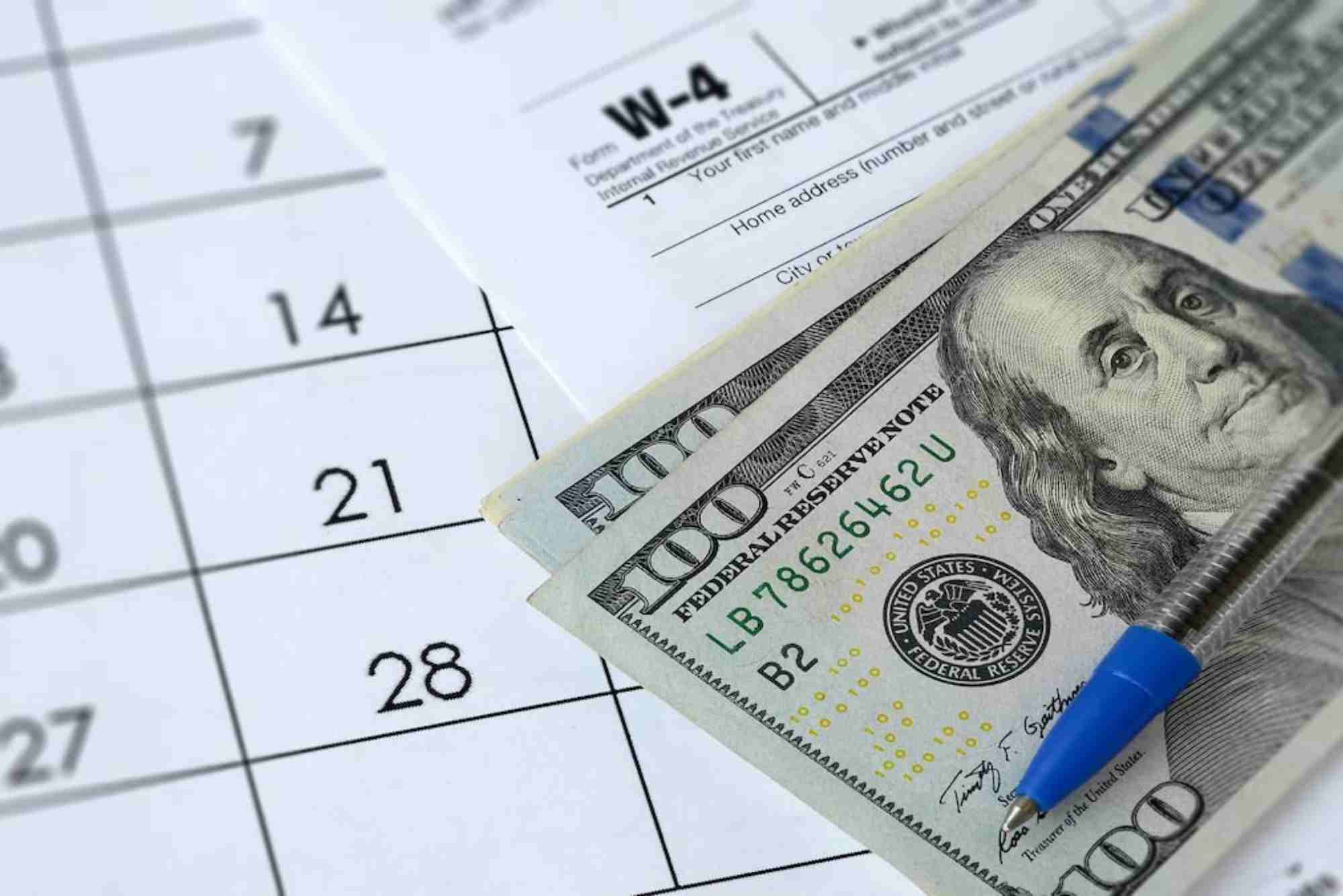
When you start a job, you fill out a tax form (such as W-4 in the U.S.). This form tells your employer how much tax should be withheld.
Employer Calculates Withholding
Based on your income, filing status, and allowances, your employer calculates how much to deduct.
Taxes Are Deducted from Paycheck
Each pay period, your employer withholds a portion of your earnings. This is exactly what people refer to when they ask what is tax withholding mean in real-life payroll terms.
Taxes Are Sent to Government
The withheld amount is sent directly to the tax authority on your behalf.
Annual Tax Return Reconciliation
At the end of the year, you file your tax return. If too much was withheld, you get a refund. If too little, you owe additional tax.
Why Is Tax Withholding Important?
When learning what is tax withholding mean, it’s important to understand why the system exists.
Prevents Large Year-End Bills
Without withholding, you might owe a large tax amount all at once, which can be difficult to pay.
Ensures Consistent Tax Collection
Governments rely on steady tax flow throughout the year to fund public services.
Helps with Budgeting
Since tax is deducted automatically, you can plan your monthly expenses more accurately.
Reduces Risk of Penalties
Proper withholding helps avoid underpayment penalties when filing your return.
So when people ask what is tax withholding mean, it’s not just about deductions—it’s about financial structure and planning.
Types of Tax Withholding
To fully understand what is tax withholding mean, you should know there are different types:
Wage Withholding
This is the most common type, taken directly from employee salaries.
Self-Employment Withholding
Freelancers and self-employed individuals often make estimated tax payments instead of employer withholding.
Investment Withholding
Some investment income, such as dividends, may also have tax withheld.
Backup Withholding
This applies when taxpayer information is missing or incorrect, ensuring taxes are still collected.
Each of these helps explain what is tax withholding mean in different financial situations.
Factors That Affect Tax Withholding
Several factors influence what is tax withholding mean in your paycheck:
Income Level
Higher income generally leads to higher withholding rates.
Filing Status
Whether you are single, married, or head of household impacts calculations.
Allowances and Deductions
Tax credits or dependents can reduce withholding amounts.
Additional Income
Side jobs or freelance work can change how much should be withheld.
Understanding these factors helps you better control what is tax withholding mean in your financial life.
Tax Withholding vs Tax Refund
A common confusion when learning what is tax withholding mean is the difference between withholding and refunds.
Tax Withholding
This is money taken from your paycheck throughout the year.
Tax Refund
This is money returned to you if you overpaid taxes through withholding.
So, what is tax withholding mean is about the collection process, while refunds are the result of over-collection.
How to Adjust Your Tax Withholding
If you understand what is tax withholding mean, you can also manage it wisely.
Update Your Tax Form
You can change your withholding by submitting an updated tax form to your employer.
Use Tax Calculators
Online tools can help estimate whether your withholding is correct.
Review Annually
Life changes like marriage, job change, or new income sources can affect your taxes.
Consult a Tax Professional
For complex situations, expert advice ensures accurate withholding.
Adjusting your understanding of what is tax withholding mean helps you avoid surprises at tax time.
Common Mistakes About Tax Withholding
Many people misunderstand what is tax withholding mean, leading to financial mistakes:
Assuming It Covers All Taxes
Withholding usually covers income tax, not all possible taxes.
Ignoring Side Income
Extra income may require additional withholding or estimated payments.
Not Updating Tax Forms
Failing to update your information can lead to incorrect deductions.
Expecting Large Refunds
A refund is not “free money”—it’s your own overpaid tax.
Avoiding these mistakes helps you manage what is tax withholding mean more effectively.
Real-Life Example of Tax Withholding
Let’s simplify what is tax withholding mean with an example:
Imagine you earn $3,000 per month. Your employer may withhold $300 for taxes. You receive $2,700 as your take-home pay.
Over the year, that $300 monthly adds up to $3,600 sent to the government. At tax time, your actual tax liability is calculated, and you either receive a refund or owe additional money.
This practical example makes what is tax withholding mean much easier to understand.
Benefits of Understanding Tax Withholding
Knowing what is tax withholding mean gives you several advantages:
- Better financial planning
- Fewer tax surprises
- Improved budgeting accuracy
- Greater control over income
- Reduced stress during tax season
When you understand what is tax withholding mean, you take control of your financial life instead of reacting to it.
FAQs
What is tax withholding mean in simple words?
It means the automatic deduction of taxes from your income before you receive your paycheck.
Why do employers withhold taxes?
Employers withhold taxes to ensure employees pay income taxes gradually and on time.
Can I change my tax withholding?
Yes, you can update your tax form with your employer to increase or decrease withholding.
What happens if too much tax is withheld?
You will receive a tax refund after filing your annual tax return.
What happens if not enough tax is withheld?
You may owe additional taxes and possibly penalties when filing your return.
Is tax withholding the same in every country?
No, systems vary, but the concept of collecting taxes from income in advance is common worldwide.
Understanding what is tax withholding mean is essential for managing your finances effectively. It ensures taxes are collected gradually, reduces financial stress, and helps you stay compliant with tax laws.
Whether you are an employee, freelancer, or business owner, knowing what is tax withholding mean allows you to make smarter financial decisions and avoid surprises during tax season.
How to Change Transaction Password in Ubi Net Banking in the UAE: To change your transaction password in UBI Net Banking in the UAE, log in to your online banking account and go to the ‘Settings’ or ‘Security’ section. Select ‘Change Transaction Password’, enter your old password, then create and confirm a new secure password. Always save changes and keep it confidential. Stay secure online always. UAE