



Introduction
Understanding what is tax in Singapore is important for anyone living, working, or planning to do business there. Singapore has one of the most efficient and transparent tax systems in the world. It is designed to support economic growth while keeping compliance simple for individuals and companies.
When people ask what is tax in Singapore, they are usually trying to understand how much tax they need to pay, what types of taxes exist, and how the system works. In simple terms, tax in Singapore is a mandatory contribution to the government used to fund public services, infrastructure, healthcare, and national development. Singapore follows a territorial tax system, which means only income earned in Singapore or brought into Singapore is taxed in most cases. This makes it attractive for both residents and foreign investors.
What Is Tax in Singapore and How It Works
When we talk about what is tax in Singapore, we refer to a structured system managed by the Inland Revenue Authority of Singapore (IRAS). This authority ensures taxes are collected fairly and efficiently.The tax system is based on progressive principles for individuals. This means higher income earners pay a higher percentage of tax. For companies, a flat corporate tax rate is applied with partial exemptions for small businesses.
Another key feature of what is tax in Singapore is its simplicity. Tax filing is mostly digital, and the system is highly automated. Many taxpayers even receive pre-filled forms. Singapore also avoids double taxation through agreements with many countries. This makes it easier for foreigners and businesses operating internationally.
Types of Taxes in Singapore
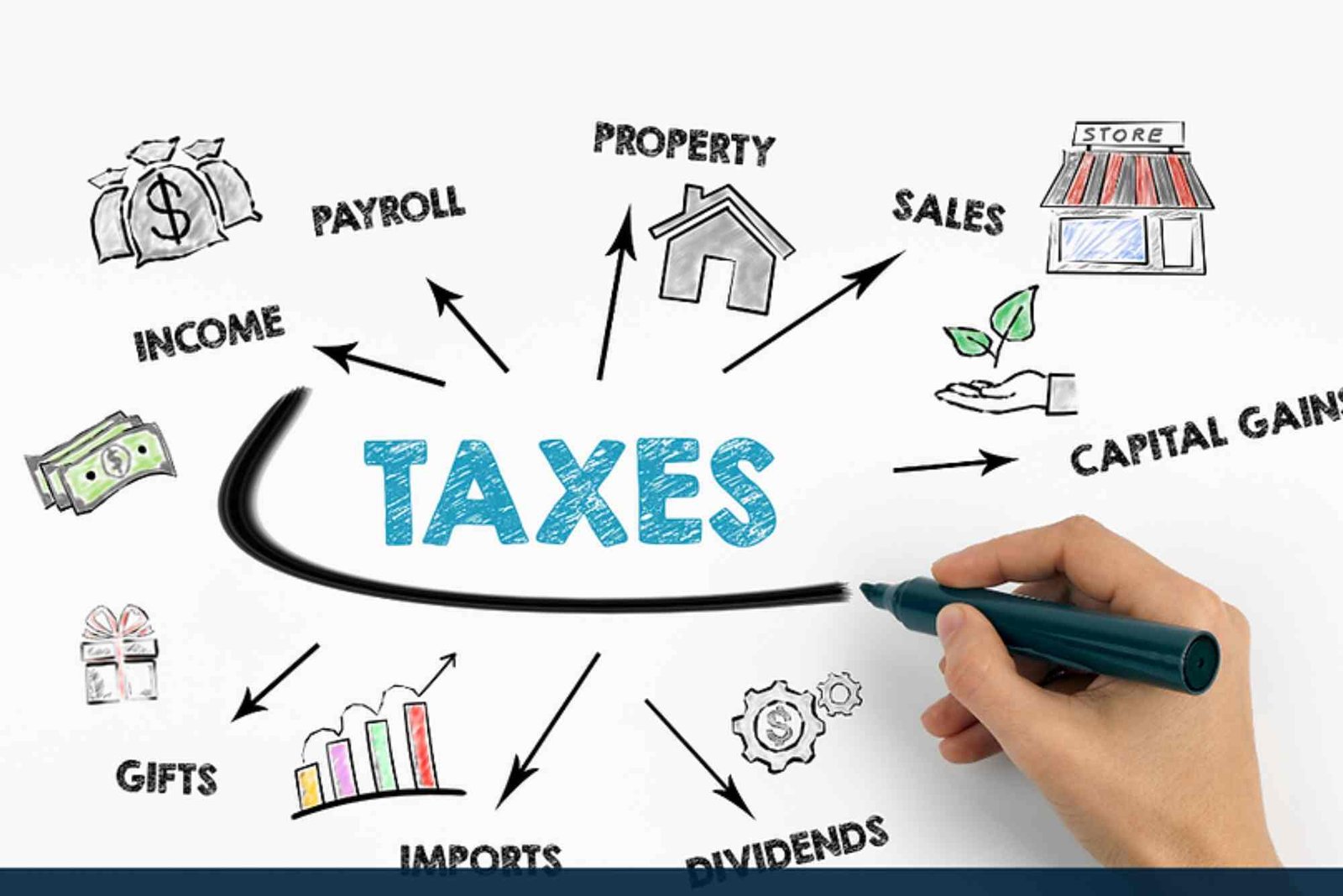
To fully understand what is tax in Singapore, it is important to know the different types of taxes applied.
Individual Income Tax
Individual income tax is one of the most common taxes. If you earn income in Singapore, you may be required to pay tax depending on your residency status and income level.


Tax residents enjoy progressive tax rates starting from low percentages and increasing with income. Non-residents are taxed at a flat rate or specific income rules. When people search what is tax in Singapore, they often focus on income tax because it directly affects salaries.
Corporate Tax
Corporate tax applies to companies registered in Singapore. The standard rate is competitive compared to global standards, making Singapore a global business hub.
Small and medium enterprises may enjoy tax exemptions on part of their income. This encourages entrepreneurship and foreign investment. Understanding corporate tax is a key part of what is tax in Singapore for business owners.
Goods and Services Tax (GST)
GST is a consumption tax applied to most goods and services. It is similar to VAT in other countries.
Businesses collect GST from customers and pay it to the government. This tax is an important part of what is tax in Singapore because it contributes significantly to national revenue.
Property Tax
Property tax is charged on property owners based on the annual value of their property. Owner-occupied homes usually have lower tax rates compared to rental properties.
This is another important aspect when exploring what is tax in Singapore, especially for homeowners and investors.
Stamp Duty
Stamp duty is applied when buying or transferring property and shares. It is a one-time tax that ensures legal ownership records.
Anyone studying what is tax in Singapore for real estate investment must understand stamp duty clearly.
Who Needs to Pay Tax in Singapore
One of the most common questions about what is tax in Singapore is who actually needs to pay it.
Individuals who earn income in Singapore, including residents and non-residents, may be taxed depending on their situation. Residents are taxed on income earned in Singapore and certain foreign income. Foreigners working in Singapore are also subject to tax if they meet employment conditions or stay long enough in the country.
Companies registered in Singapore must also comply with corporate tax rules regardless of ownership structure. So, when learning what is tax in Singapore, it is clear that both individuals and businesses have tax responsibilities.
Tax Residency Rules in Singapore
Tax residency plays a major role in determining how much tax you pay. To understand what is tax in Singapore, you must understand residency status. An individual is considered a tax resident if they stay or work in Singapore for at least 183 days in a year. Residents enjoy lower tax rates and more benefits.
Non-residents are taxed differently, often at higher flat rates. This distinction is important for expatriates and foreign workers. Tax residency rules help simplify what is tax in Singapore for different types of taxpayers.
How Tax Filing Works in Singapore
Filing taxes in Singapore is straightforward and fully digital. The IRAS sends notices to eligible taxpayers every year. Individuals must report their income, deductions, and reliefs. Most employees have automatic income reporting through employers. The deadline for filing is usually April each year. Late filing may result in penalties.
When understanding what is tax in Singapore, the filing process is an essential part of the system.
Tax Reliefs and Deductions
Singapore offers several tax reliefs to reduce taxable income. These include reliefs for parents, education, donations, and retirement savings.
These benefits help reduce the overall tax burden and support families. Knowing about reliefs is important when studying what is tax in Singapore because it directly affects how much tax you pay.
Why Singapore Has Low Taxes
A common question related to what is tax in Singapore is why tax rates are relatively low compared to other countries.
Singapore maintains low taxes to attract foreign investment and skilled professionals. The government focuses on economic growth, trade, and innovation. Instead of high taxes, Singapore relies on efficient tax collection and a strong GST system. This balanced approach is a key reason why what is tax in Singapore is often studied globally as a successful model.
Benefits of Singapore’s Tax System
The tax system offers several advantages. It is simple, transparent, and business-friendly. For individuals, it ensures fairness through progressive tax rates. For businesses, it creates a stable environment for growth.
When people ask what is tax in Singapore, they are often surprised by how efficient and structured the system is. The absence of capital gains tax is another major advantage for investors.
Common Mistakes to Avoid
Many taxpayers misunderstand what is tax in Singapore and make avoidable mistakes.
Some fail to report all income sources, especially foreign income. Others miss filing deadlines or ignore tax relief opportunities. It is important to stay informed and comply with IRAS rules to avoid penalties.
Future of Tax in Singapore
The tax system in Singapore continues to evolve. Digital taxation and GST adjustments are part of long-term planning.
As the economy grows, tax policies may adapt to support sustainability and innovation. Understanding what is tax in Singapore today also helps prepare for future changes.
Conclusion
In conclusion, what is tax in Singapore is more than just a financial obligation. It is a well-structured system that supports national development, economic stability, and global competitiveness. From income tax to GST, each part of the system plays a role in maintaining Singapore’s strong economy. Whether you are a resident, expatriate, or business owner, understanding what is tax in Singapore helps you stay compliant and make better financial decisions.
Understanding What Is Tax Due Diligence? is essential for investors and businesses before making financial decisions. It involves reviewing tax records, liabilities, and compliance history to avoid risks and penalties. This process helps ensure transparency, accurate valuation, and informed investment choices for long-term success. It is a key step in mergers and acquisitions globally, widely used.
FAQs
What is tax in Singapore for foreigners?
Foreigners in Singapore may need to pay tax on income earned in Singapore. Their tax rate depends on residency status and length of stay.
Is income tax high in Singapore?
No, income tax in Singapore is considered low compared to many developed countries. It follows a progressive structure with reasonable rates.
What is tax in Singapore for salary income?
Salary income is taxed based on progressive tax rates for residents. Non-residents may be taxed at a flat rate depending on employment conditions.
Does Singapore have property tax?
Yes, property tax applies to all property owners. The rate depends on whether the property is owner-occupied or rented out.
Why is Singapore tax system popular?
Singapore’s tax system is popular because it is simple, transparent, and business-friendly, with low tax rates and strong compliance systems.