



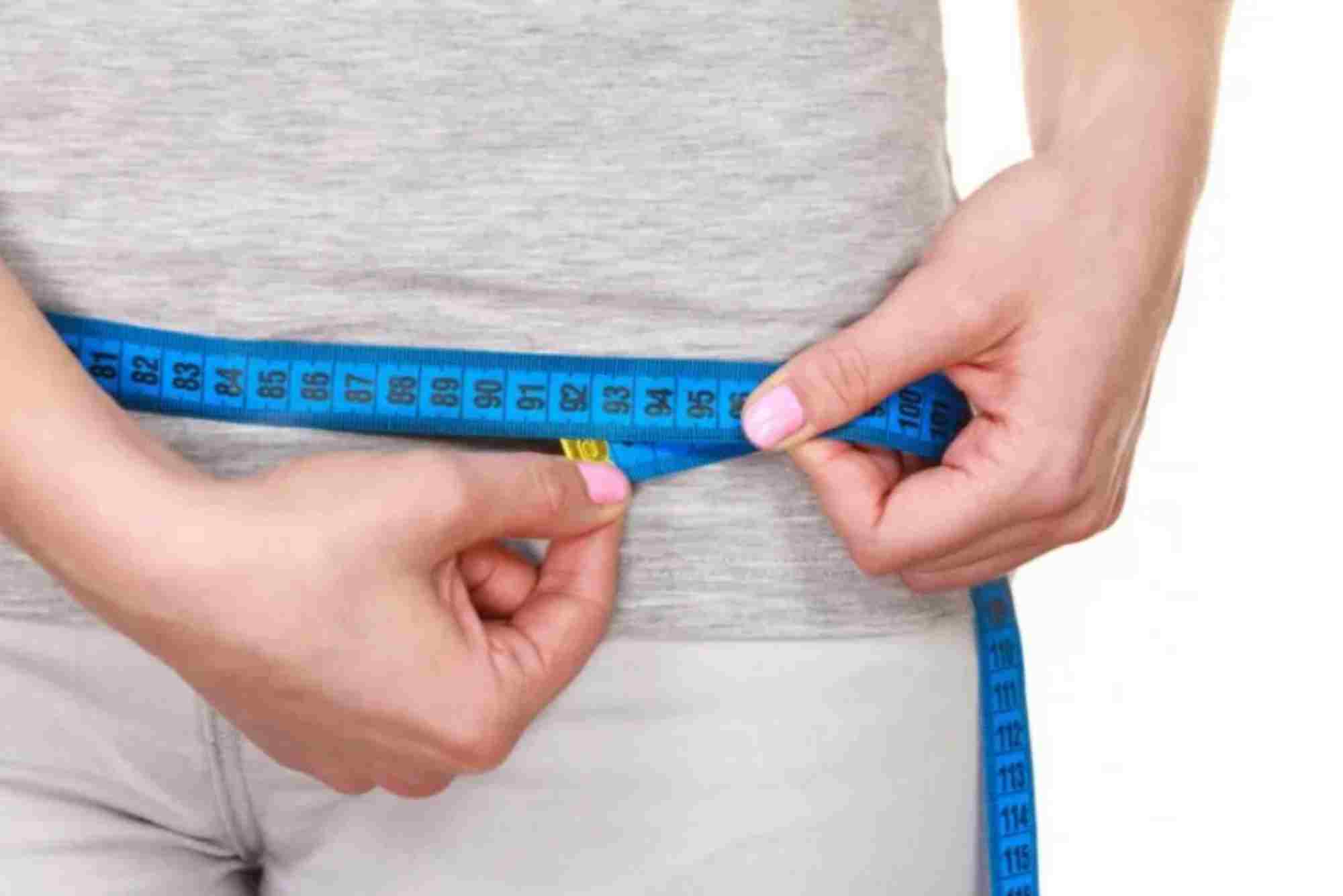
How to Calculate WHR
Understanding your body composition is essential for maintaining overall health. One of the most effective ways to assess your risk for certain health conditions is by measuring your waist-to-hip ratio (WHR). Knowing how to calculate WHR provides insight into fat distribution and potential risks for cardiovascular disease, diabetes, and other metabolic conditions. In this article, we will explore the significance of WHR, how to measure it accurately, and what the results mean for your health.
What is WHR?
Waist-to-hip ratio (WHR) is a simple measurement comparing the circumference of your waist to that of your hips. It is an indicator of fat distribution rather than overall body fat. Unlike body mass index (BMI), which only considers weight and height, WHR provides insight into where fat is stored. Central fat accumulation, particularly around the abdomen, is linked to higher health risks than fat around the hips and thighs. Understanding your WHR helps identify these risks early and allows for targeted lifestyle changes.
Why WHR Matters
WHR is not just a number; it reflects important aspects of your health. Research shows that individuals with higher WHR are more prone to heart disease, insulin resistance, and type 2 diabetes. Unlike general obesity measures, WHR highlights abdominal fat, which is metabolically active and affects cholesterol levels, blood pressure, and inflammation. Women and men have different WHR risk thresholds. For women, a WHR above 0.85 indicates higher health risks, while for men, a WHR above 0.90 is considered risky. Monitoring WHR regularly can guide diet, exercise, and medical interventions to reduce these risks.
How to Measure Your Waist and Hips
Accurate measurement is the foundation of calculating WHR. Begin by measuring your waist at its narrowest point, usually just above the navel. Stand upright, exhale naturally, and avoid holding your stomach in. Use a flexible tape measure and record the number in centimeters or inches. Next, measure your hips at their widest point, typically around the buttocks. Ensure the tape is parallel to the floor and not too tight. Record this measurement as well. Consistency is key, so measure under the same conditions each time.
How to Calculate WHR
Calculating your WHR is straightforward. Divide your waist circumference by your hip circumference using the same units. For example, if your waist measures 80 cm and your hips measure 100 cm, your WHR is 0.8. The formula is simple: WHR equals waist circumference divided by hip circumference. Maintaining accuracy in measurement is essential because small errors can significantly affect the result. Using this ratio, you can determine whether your fat distribution falls within a healthy range or indicates potential health risks.
Understanding WHR Results
Once you have calculated your WHR, interpreting the results is crucial. For women, a WHR of 0.80 or less is generally considered healthy. Between 0.81 and 0.85 indicates moderate risk, while above 0.85 signals higher risk. For men, a WHR of 0.90 or below is healthy, 0.91 to 0.99 suggests moderate risk, and 1.0 or higher indicates elevated health risks. These numbers are based on extensive studies linking abdominal fat to metabolic complications. Keep in mind that WHR is one part of the overall health assessment, and it should be used alongside other measures such as BMI, blood pressure, and cholesterol levels.


Factors Affecting WHR
Several factors influence WHR, including genetics, age, hormonal changes, and lifestyle. Women may notice WHR changes after menopause due to hormonal shifts that promote abdominal fat. Men are more likely to store fat around the waist naturally, increasing their WHR. Physical activity, diet, and stress levels also play a significant role. Sedentary lifestyles and diets high in processed foods contribute to higher WHR, while regular exercise and balanced nutrition can help reduce waist circumference and improve fat distribution.
How to Lower Your WHR
If your WHR is higher than recommended, lifestyle changes can help. Engaging in regular aerobic exercise, strength training, and core workouts reduces abdominal fat effectively. Focus on whole foods, lean proteins, vegetables, and healthy fats while limiting sugary and processed foods. Adequate sleep and stress management are equally important, as chronic stress can lead to cortisol-induced belly fat accumulation. Remember that spot reduction is not possible; improving overall body composition and fat distribution is the most effective strategy to lower WHR.
Tracking WHR Over Time
Tracking WHR over time is more meaningful than a single measurement. Record your waist and hip measurements monthly to monitor progress. Small reductions in WHR, even if BMI remains the same, indicate a healthier fat distribution. This tracking helps motivate lifestyle changes and provides objective evidence of health improvement. Additionally, consulting a healthcare professional for guidance can ensure that your WHR goals align with overall health objectives.
Common Mistakes to Avoid When Measuring WHR
Accurate WHR measurement requires attention to detail. Avoid measuring over clothing, which can add centimeters to the reading. Ensure the tape is level and snug but not compressing the skin. Measure at the correct anatomical points: waist at the narrowest point and hips at the widest. Consistency in measurement timing, preferably in the morning before eating, reduces variability. Ignoring these details may lead to incorrect WHR, which could misrepresent your health risks.
Calculating WHR is a simple yet powerful tool to understand your body fat distribution and assess health risks. By measuring your waist and hips accurately and monitoring your ratio, you gain insights into potential risks for heart disease, diabetes, and metabolic disorders. Lifestyle changes focusing on exercise, diet, and stress management can effectively improve WHR. Remember, WHR is a guide, not a definitive diagnosis, so use it alongside professional medical advice. Start measuring your WHR today to take control of your health and make informed decisions for a healthier future.
Take a step toward better health today by measuring your waist-to-hip ratio. Track your progress, adopt a healthier lifestyle, and consult a healthcare professional to create a personalized plan for optimal well-being.
Looking to manage your finances smarter? financer.ae offers expert tips, tools, and insights to help you save, invest, and plan for a secure future. From budgeting guides to investment strategies, we make financial planning simple, efficient, and tailored to your goals—empowering you to take control of your money today.
FAQs About WHR
What is a healthy WHR for women?
A healthy WHR for women is typically below 0.80. Ratios above 0.85 indicate higher health risks, including cardiovascular issues and diabetes.
How often should I measure my WHR?
Measuring WHR every 4–6 weeks is ideal to track progress without unnecessary fluctuations. Consistency in timing and technique is important for reliable results.
Can WHR predict health risks better than BMI?
Yes, WHR can be more predictive of health risks than BMI because it accounts for fat distribution rather than total body weight. Abdominal fat is more strongly linked to metabolic and cardiovascular diseases.
Does losing weight always reduce WHR?
Not always. Losing weight may reduce overall body fat, but WHR depends on how fat is distributed. Targeted exercise and lifestyle changes help reduce waist circumference more effectively than general weight loss.
Are there age-specific WHR recommendations?
Yes, WHR thresholds can vary slightly with age. Older adults may naturally have higher ratios due to hormonal changes. However, maintaining a ratio within recommended ranges is beneficial at any age.